Letai Fresh Bao (Qianqiwan Branch)
小吃快餐 · ⭐ 3.8
Unit No. 5, Building No. 6, Feilong West Lane, Qianqikuang, Zhongxin Avenue
Dragon Mate tips
If you are traveling in China to visit Yantai, Dragon Mate users do not strongly recommend this restaurant. If you enjoy exploring, you can still try it and see what you find. This restaurant is located at Unit No. 5, Building No. 6, Feilong West Lane, Qianqikuang, Zhongxin Avenue. It is a 小吃快餐 place, and the flavors are varies by dish (start with the signature dishes). Dragon Mate recommends you try: Eight Treasure Porridge, Salted duck egg, Rice Porridge.
If you do not eat pork, make sure to use Dragon Mate voice to clearly tell the staff “no pork” before ordering.
Restaurant guide
- City: Yantai
- Category: 小吃快餐
- Rating: 3.8
- Address: Unit No. 5, Building No. 6, Feilong West Lane, Qianqikuang, Zhongxin Avenue
- Popular dishes: Eight Treasure Porridge, Salted duck egg, Rice Porridge, Spicy Pepper and Pig Intestines, Sweet and Sour Garlic
China trip · China travel
Traveling in China? For your China trip and China travel needs—finding great food, discovering beautiful sights, ordering dishes, and communicating—Dragon Mate can handle it all. Dragon Mate is the most useful assistant for traveling in China.

Dishes
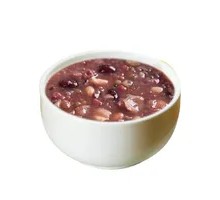 Eight Treasure PorridgeEight Treasure Porridge is a traditional Chinese porridge made by simmering glutinous rice, red beans, peanuts, oats, black rice, red dates, goji berries, and longan dried fruit together. Each ingredient is carefully selected and combined to ensure a rich texture and maximize nutritional value. During the slow cooking process, the aromas of all ingredients blend harmoniously, creating the unique, rich flavor that defines Eight Treasure Porridge.
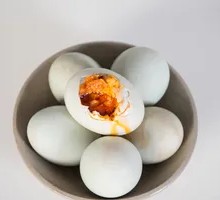 Salted duck eggSalted duck eggs are egg products made by soaking duck eggs in brine or coating them with salt mud. The main ingredients are duck eggs and table salt. During the curing process, which lasts several weeks to several months, the yolks become oily and the whites turn into a semi-solid state, resulting in a unique flavor.
 Rice PorridgeMillet porridge is a type of porridge made primarily from millet. The preparation method is simple: wash the millet, then boil it with an appropriate amount of water, and simmer over low heat until the porridge becomes thick.
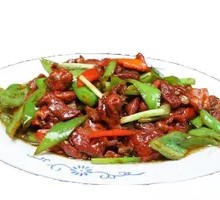 Spicy Pepper and Pig Intestines尖椒肥肠 is a dish primarily made with pork intestines and green chili peppers. The preparation involves cutting the pork intestines into segments and slicing the green chilies into strips, then stir-frying them with seasonings such as minced garlic and ginger over high heat to perfectly blend the rich flavor of the pork intestines with the crisp freshness of the green chilies.
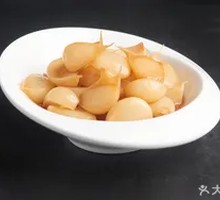 Sweet and Sour GarlicSweet and sour garlic is a cold dish made by pickling fresh garlic in a seasoned vinegar-sugar-salt solution, resulting in a crisp, tangy flavor.
 Homemade SausageA traditional Chinese cured sausage made by hand using fresh pork, seasonings, and natural casings, then air-dried or smoked for rich flavor.
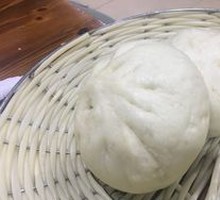 Eggplant Pork DumplingsEggplant pork buns are made primarily from eggplant and pork. The eggplant is diced and mixed with seasoned pork filling, then wrapped in dough and steamed after fermentation. The buns have a soft outer skin and a delicious filling; the combination of eggplant and pork adds texture and enhances nutritional value.
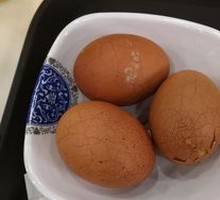 Tea EggTea eggs are a traditional Chinese snack made primarily from eggs and tea. The preparation involves boiling the eggs until fully cooked, then gently cracking the shells before simmering them together with tea, spices, and seasonings. This allows the tea's aroma to penetrate the egg, creating a unique flavor.
 Radish and Pork DumplingsA savory dumpling filled with shredded radish and pork, steamed to perfection for a delicate balance of sweetness and umami.
 Sauce Meat Steamed BunA steamed bun filled with seasoned pork and aromatic ingredients, known for its savory flavor and soft texture.
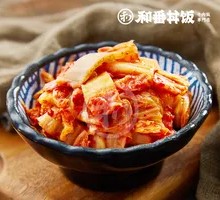 KimchiKimchi is primarily made from napa cabbage, radish, chili powder, garlic, ginger, fish sauce, and shrimp paste. After cutting the napa cabbage, it is salted and then mixed with seasonings. The mixture is placed in a container and fermented for several days to several weeks to develop its distinctive flavor.