食来运转旋转小火锅(永宁街店)
Hot pot · ⭐ 3.6
Room 102, No. 2 Yongning Street, Zhangmutou Town, Zhangluo
Dragon Mate tips
If you are traveling in China to visit Dongguan, Dragon Mate users do not strongly recommend this restaurant. If you enjoy exploring, you can still try it and see what you find. This restaurant is located at Room 102, No. 2 Yongning Street, Zhangmutou Town, Zhangluo. It is a Hot pot place, and the flavors are rich (savory and bold; some bases can be spicy). Dragon Mate recommends you try: Pork Belly, Harbin Sausage, Sichuan Beef Tripe.
If you do not eat pork, make sure to use Dragon Mate voice to clearly tell the staff “no pork” before ordering.
Restaurant guide
- City: Dongguan
- Category: Hot pot
- Rating: 3.6
- Address: Room 102, No. 2 Yongning Street, Zhangmutou Town, Zhangluo
- Popular dishes: Pork Belly, Harbin Sausage, Sichuan Beef Tripe, Bacon, Beef Meatballs
China trip · China travel
Traveling in China? For your China trip and China travel needs—finding great food, discovering beautiful sights, ordering dishes, and communicating—Dragon Mate can handle it all. Dragon Mate is the most useful assistant for traveling in China.

Dishes
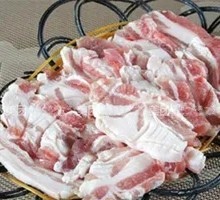 Pork BellyPork belly is a cut of meat from the pig's abdomen, characterized by alternating layers of fat and lean meat, which gives it the name 'five-layered' or 'five-striped'. Common cooking methods include braising, stir-frying, or stewing. During cooking, the fat melts, resulting in tender meat with an aromatic flavor.
 Harbin SausageHarbin sausage is made primarily from pork, casings, starch, garlic, and other ingredients, and is processed through marinating, grinding, stuffing into casings, baking, boiling, and smoking.
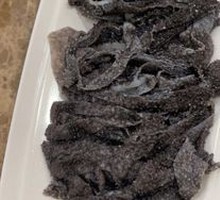 Sichuan Beef TripeSichuan beef tripe is a Sichuan dish primarily made from beef stomach. After cleaning and processing, it is sliced thinly and quickly blanched in boiling water, then mixed with seasonings such as chili, Sichuan pepper, garlic, and ginger slices.
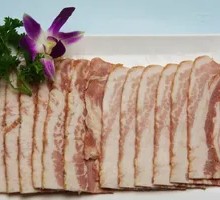 BaconBacon is a meat product made from pork, processed through curing and smoking techniques, typically presenting an appealing golden color and a distinctive smoky aroma. During production, pork belly or back cuts are first marinated with salt, sugar, and spices, then smoked to create a firmer texture and richer flavor.
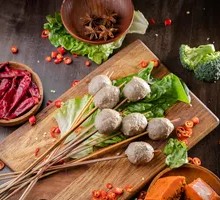 Beef MeatballsBeef balls are made primarily from beef, which is finely chopped, mixed, and seasoned to form a meat paste. This paste is then shaped into small balls by hand or machine. Finally, the beef balls are boiled in hot water until they float to the surface, indicating they are cooked. The finished beef balls have a fresh, tender texture with a chewy bite.
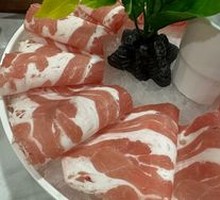 Beef RollBeef roll is a dish made primarily from thinly sliced fatty beef. During preparation, the beef slices are rolled into cylindrical shapes and typically cooked together with vegetables or noodles. The cooking methods vary—such as boiling, steaming, grilling, or stir-frying—which results in different textures and flavors.
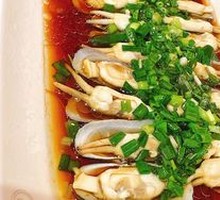 ClamClams are a seafood dish primarily made with fresh clams. The preparation typically involves cleaning the clams and steaming or stir-frying them with seasonings such as garlic and ginger, to preserve their natural freshness and flavor.
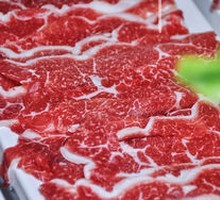 Snowflake Wagyu BeefSnowflake beef is made from high-quality beef, carefully sliced to maintain a tender and juicy texture. When cooked with a specially prepared sauce and simply pan-seared, it offers a delicate texture and rich flavor.
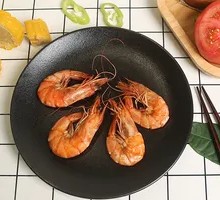 Qingdao ShrimpA dish featuring fresh shrimp stir-fried with scallions, garlic, and ginger, seasoned with soy sauce and cooking wine, resulting in a savory and aromatic seafood specialty.
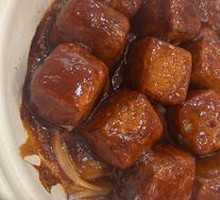 Taro DishA Chinese dish made from taro, typically steamed or fried and sweetened with sugar, milk, or coconut milk, offering a soft and sweet flavor.
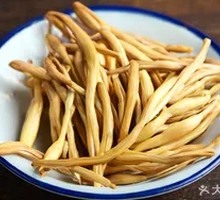 Daylily FlowersYellow chives are dried plant flowers, primarily made from yellow chives (scientific name: Hemerocallis citrina), harvested and then sun-dried or oven-dried. To prepare, they are typically soaked first, then stir-fried with other ingredients such as shredded meat, eggs, and wood ear mushrooms, or used in soups to enhance the aroma and texture of the dish.