Jing Ge Suancai Yu (Xiangshan Road Branch)
Sichuan cuisine · ⭐ 3.6
No. 5 Xiangshan Road, Room 101, Building 58, Biyun Mountain Villa
Dragon Mate tips
If you are traveling in China to visit Nanjing, Dragon Mate users do not strongly recommend this restaurant. If you enjoy exploring, you can still try it and see what you find. This restaurant is located at No. 5 Xiangshan Road, Room 101, Building 58, Biyun Mountain Villa. It is a Sichuan cuisine place, and the flavors are spicy (numbing/spicy). Dragon Mate recommends you try: Potato Noodles, Spicy麻 Fish, Ham Sausage.
If you cannot eat spicy food, use Dragon Mate to say “no spicy” before ordering, and tell the staff clearly.
If you do not eat pork, make sure to use Dragon Mate voice to clearly tell the staff “no pork” before ordering.
Restaurant guide
- City: Nanjing
- Category: Sichuan cuisine
- Rating: 3.6
- Address: No. 5 Xiangshan Road, Room 101, Building 58, Biyun Mountain Villa
- Popular dishes: Potato Noodles, Spicy麻 Fish, Ham Sausage, Glass noodles, Pork Intestines
China trip · China travel
Traveling in China? For your China trip and China travel needs—finding great food, discovering beautiful sights, ordering dishes, and communicating—Dragon Mate can handle it all. Dragon Mate is the most useful assistant for traveling in China.

Dishes
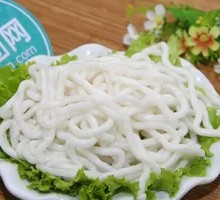 Potato NoodlesPotato starch is a powdered ingredient made from potatoes, commonly used in cooking various soups and stir-fried noodles. The production process begins with washing and peeling fresh potatoes, then grinding them into a paste using a special technique. After sedimentation, filtration, and sun-drying, the result is a fine powder. When cooking, potato starch can be paired with meats, vegetables, and other ingredients to create delicious dishes that are smooth in texture and rich in nutrition.
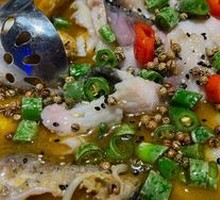 Spicy麻 FishSpicy麻鱼 is made with fresh fish as the main ingredient, combined with green Sichuan peppercorns and sansho oil, and seasoned with ginger, garlic, and other调料. The fish meat is tender, and the broth is spicy and numbing with a hint of freshness, making it visually appealing.
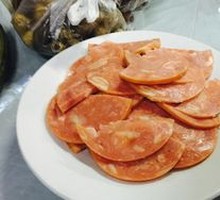 Ham SausageSausage is a processed meat product made primarily from pork, chicken, or beef, mixed with starch, water, and seasonings, then stuffed into casings and cooked by steaming or smoking.
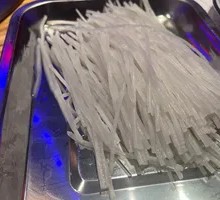 Glass noodlesGlass noodles are a type of strip-shaped food primarily made from starch, commonly using sweet potato starch, potato starch, or mung bean starch. The process involves mixing starch with water to form a paste, steaming it until cooked, cutting it into strips, and then drying it by sun or machine. Before cooking, they need to be soaked in warm water and can be prepared by stir-frying, boiling, or stewing.
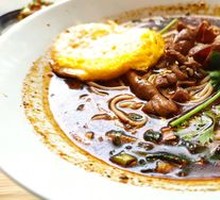 Pork IntestinesOffal is a dish made primarily from pig intestines, processed through cleaning, boiling, and seasoning. It has a bright color, tender texture, and rich aroma.
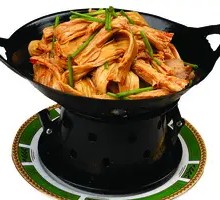 Fermented soybean skinFermented soybean curd, a traditional Chinese soy product. Made from yellow soybeans through soaking, grinding, boiling, and other processes, which form a film on the surface of soy milk that is then dried. It has a yellow-white color, dry texture, and a rich soy aroma. In cooking, it can be paired with meat or vegetables and prepared using methods such as stir-frying, stewing, or boiling to create various delicious dishes.
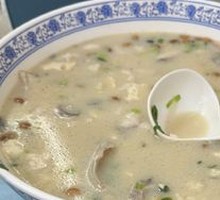 Tofu FishDouban Fish is a dish primarily made with fresh tofu and fish meat, typically using sliced grass carp or carp. The fish slices are marinated with cooking wine and salt before being cooked together with tofu blocks in a pot. Boiling broth or water is added, along with ingredients such as ginger slices and scallions. Finally, the sauce is thickened to create a rich, glossy coating that clings to the ingredients.
 Fish with Sour CabbageA Chinese dish made with fresh fish and sour cabbage, typically simmered together for a tangy, savory flavor.
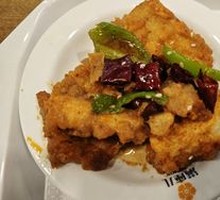 Spicy FishSpicy fish dish made with fresh fish, bean sprouts, wood ear mushrooms, and greens. Fish slices are blanched or pan-fried, then stir-fried with chili, Sichuan pepper, and doubanjiang before stewing.