Shi Hui Snack Shop (Jiuba Road Branch)
小吃快餐 · ⭐ 3.5
120 meters west of Bayuan Central Health Center, Bayuan Street Village, Jiuba Road
Dragon Mate tips
If you are traveling in China to visit Xi'an, Dragon Mate users do not strongly recommend this restaurant. If you enjoy exploring, you can still try it and see what you find. This restaurant is located at 120 meters west of Bayuan Central Health Center, Bayuan Street Village, Jiuba Road. It is a 小吃快餐 place, and the flavors are varies by dish (start with the signature dishes). Dragon Mate recommends you try: Five-Nut Paste, Tofu Skin, Potato.
If you do not eat pork, make sure to use Dragon Mate voice to clearly tell the staff “no pork” before ordering.
Restaurant guide
- City: Xi'an
- Category: 小吃快餐
- Rating: 3.5
- Address: 120 meters west of Bayuan Central Health Center, Bayuan Street Village, Jiuba Road
- Popular dishes: Five-Nut Paste, Tofu Skin, Potato, Rice Cake, Tripe
China trip · China travel
Traveling in China? For your China trip and China travel needs—finding great food, discovering beautiful sights, ordering dishes, and communicating—Dragon Mate can handle it all. Dragon Mate is the most useful assistant for traveling in China.

Dishes
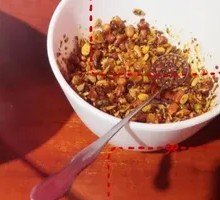 Five-Nut PasteWu Ren Jiang is a paste made primarily from five types of nuts: walnuts, almonds, cashews, peanuts, and sesame seeds. Roasted and ground into a smooth consistency, it can be sweetened with sugar, oil, or honey and used on bread, noodles, or desserts.
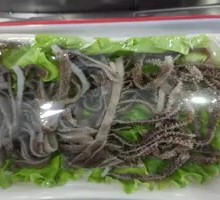 Tofu SkinTofu skin, also known as百叶 or bean curd sheet, is a soy-based product made primarily from yellow beans. It has a pale yellow color, a delicate texture, and is as thin as paper. It can be prepared by mixing cold, stir-frying, or used as an ingredient. Commonly paired with vegetables, meat, or seafood in cooking to enhance texture and flavor.
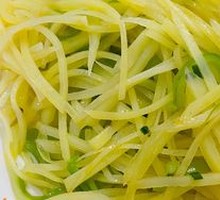 PotatoPotatoes are peeled and cut into cubes or slices, then cooked by frying, boiling, steaming, or stir-frying. Common preparations include potato shreds, braised potatoes with meat, mashed potatoes, and french fries. The main ingredient is potatoes, with optional seasonings such as scallions, ginger, garlic, and chili peppers added according to taste.
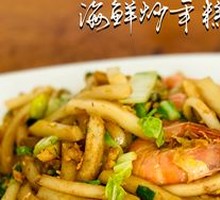 Rice CakeNian gao is a traditional Chinese rice product made primarily from glutinous rice. After steaming and pounding, it is shaped into a cohesive form. It has a soft and sticky texture and can be served as a staple food, dessert, or snack.
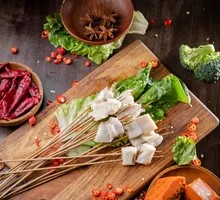 TripeTripe, primarily made from the rumen of cattle, is finely processed to achieve a tender texture. It is typically sliced and served with spicy hot pot or cold dressing, offering a crisp and refreshing taste—making it a popular choice in hot pot dishes.
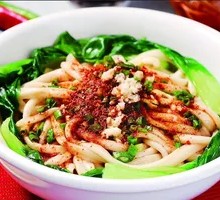 Oil-Poured NoodlesOil-poured noodle is a Chinese noodle dish made with wide noodles. The noodles are hand-rolled, evenly thick, and boiled before being drained. Chopped green onions, minced garlic, chili powder, and Sichuan pepper powder are sprinkled on the noodles, then hot oil is poured to release the aroma. Finally, soy sauce, vinegar, and other seasonings are added and mixed well before serving.
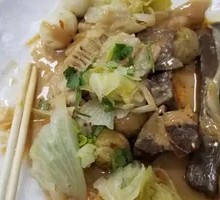 LettuceLettuce is a common vegetable known for its tender green leaves and crisp texture. It can be eaten raw as the main ingredient in salads or combined with various seasonings and sauces to enhance flavor. Additionally, lettuce is often used to wrap or decorate other foods, such as grilled meats and burgers.
 Garlic PureeSoy sauce is a liquid condiment made from fermented soybeans, wheat, salt, and water. It is commonly used in Asian cuisine to enhance the flavor of dishes.
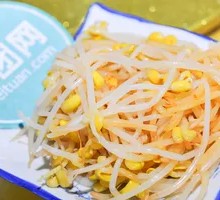 Bean sproutsBean sprouts are vegetables grown from sprouted legume seeds, commonly including mung bean sprouts and soybean sprouts. Typically, they are cleaned and then cooked by stir-frying, boiling, or making cold dishes. They have a crisp texture and are a common ingredient in home-cooked meals.
 Balsamic VinegarAged vinegar is a seasoning made from grains through a fermentation process, with main ingredients including sorghum, rice, or wheat. During production, the raw materials are steamed and then treated with mold to convert starches into sugars, followed by alcohol fermentation and acetic acid fermentation, ultimately yielding a vinegar liquid with rich aroma. The finished product is typically aged and filtered, resulting in a clear color and rich, mellow flavor.