Qitaihe Barbecue (Jintailan Jun Store)
Barbecue · ⭐ 3.8
No. 55, Commercial Service Building, Jintai Lanjun Residential Complex, South Side of Xueyuan Road, Limin Development Zone
Dragon Mate tips
If you are traveling in China to visit Harbin, Dragon Mate users do not strongly recommend this restaurant. If you enjoy exploring, you can still try it and see what you find. This restaurant is located at No. 55, Commercial Service Building, Jintai Lanjun Residential Complex, South Side of Xueyuan Road, Limin Development Zone. It is a Barbecue place, and the flavors are varies by dish (start with the signature dishes). Dragon Mate recommends you try: Qitaihe Cold Noodles, Qitaihe Hot Noodles, Grilled Cold Noodles.
If you do not eat pork, make sure to use Dragon Mate voice to clearly tell the staff “no pork” before ordering.
Restaurant guide
- City: Harbin
- Category: Barbecue
- Rating: 3.8
- Address: No. 55, Commercial Service Building, Jintai Lanjun Residential Complex, South Side of Xueyuan Road, Limin Development Zone
- Popular dishes: Qitaihe Cold Noodles, Qitaihe Hot Noodles, Grilled Cold Noodles, Grilled Squid, Braised Beef Tendon
China trip · China travel
Traveling in China? For your China trip and China travel needs—finding great food, discovering beautiful sights, ordering dishes, and communicating—Dragon Mate can handle it all. Dragon Mate is the most useful assistant for traveling in China.
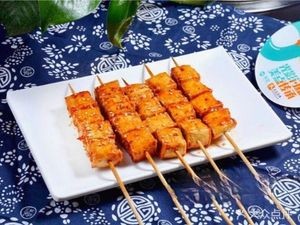
Dishes
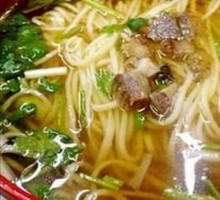 Qitaihe Cold NoodlesQitaihe cold noodles are a specialty from Northeast China, made with buckwheat noodles, cucumber, carrot, egg skin, and beef, served in a tangy spicy sauce for a refreshing summer dish.
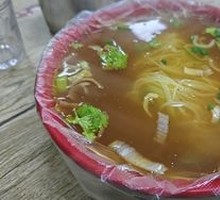 Qitaihe Hot NoodlesQitaihe hot noodles is a specialty noodle dish from Qitaihe, Heilongjiang Province, featuring hand-pulled noodles with beef, cabbage, and vermicelli in a savory broth.
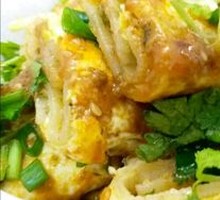 Grilled Cold NoodlesGrilled cold noodles is a snack primarily made with cold noodles. The preparation involves placing the cold noodles on a grill, adding ingredients such as eggs and sausages, grilling until the surface turns golden and crispy, then brushing with sauce and sprinkling with green onions and cilantro.
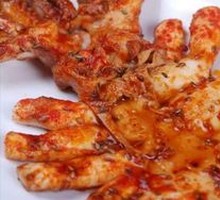 Grilled SquidGrilled squid is a dish made primarily from squid. To prepare it, clean the squid thoroughly, then marinate it with appropriate seasonings before grilling on a rack. Grill until the squid's surface turns golden and the flesh becomes tender.
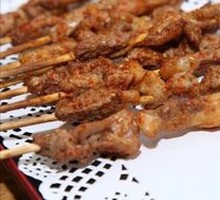 Braised Beef TendonStewed tendons is a dish made primarily from pork or beef tendons, soaked, blanched, then slowly cooked with seasonings until tender and flavorful, offering a chewy yet soft texture. Common seasonings include soy sauce, cooking wine, ginger slices, and scallions; some recipes use broth for enhanced flavor.
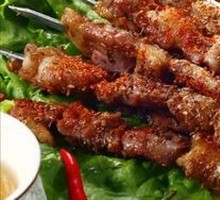 Pork BellyPork belly is selected from the pig's abdominal area, featuring a balanced mix of fat and lean meat. It is typically cut into thick slices or cubes and can be braised, stewed, grilled, or pan-fried. To prepare, it is often blanched to remove any odor, then seasoned and cooked with appropriate seasonings and ingredients based on the dish.
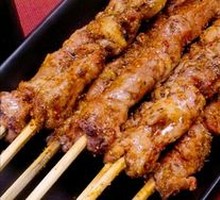 Lamb SkewersLamb skewers are made by cutting fresh, tender lamb into chunks, threading them onto bamboo or metal skewers, and marinating before grilling directly over charcoal. During grilling, the lamb's fat drips onto the fire, creating smoke that熏 (smokes) the meat, resulting in a crispy exterior and tender interior with rich aroma.
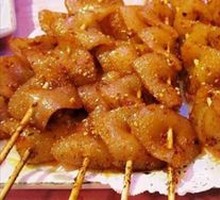 Pork skinBraised pork skin is an ingredient made from pigskin that has been processed. Typically, the pigskin is first blanched to remove odor, then simmered until tender, and finally sliced or shredded. It can be served cold in a dressing, stewed, or stir-fried, often paired with wood ear mushrooms, garlic chives, and other ingredients.
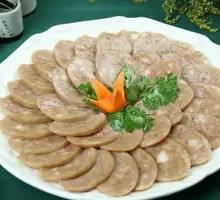 Homemade SausageHomemade sausages are made from pork, starch, and seasonings. The meat mixture is evenly stirred and stuffed into casings, then steamed or boiled. They have a cylindrical shape, smooth surface, and firm texture.
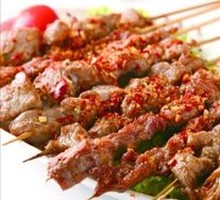 Soy Sauce Beef TendonSoy sauce beef tendon is a traditional dish primarily made with beef tendons. The preparation involves first stewing the beef tendons until they become tender and then slowly simmering them with soy sauce and spices, allowing the tendons to fully absorb the rich sauce and develop a deep color and intense soy aroma.