Qian Wei Sandpot Spicy Hot Pot
小吃快餐 · ⭐ 3.9
No. 113-1, Nankeng Road (220 meters on foot from Exit B of Nankeng Metro Station)
Dragon Mate tips
If you are traveling in China to visit Shenzhen, Dragon Mate users do not strongly recommend this restaurant. If you enjoy exploring, you can still try it and see what you find. This restaurant is located at No. 113-1, Nankeng Road (220 meters on foot from Exit B of Nankeng Metro Station). It is a 小吃快餐 place, and the flavors are varies by dish (start with the signature dishes). Dragon Mate recommends you try: Filled Fish Balls, Baby bok choy, Taro.
If you do not eat pork, make sure to use Dragon Mate voice to clearly tell the staff “no pork” before ordering.
Restaurant guide
- City: Shenzhen
- Category: 小吃快餐
- Rating: 3.9
- Address: No. 113-1, Nankeng Road (220 meters on foot from Exit B of Nankeng Metro Station)
- Popular dishes: Filled Fish Balls, Baby bok choy, Taro
China trip · China travel
Traveling in China? For your China trip and China travel needs—finding great food, discovering beautiful sights, ordering dishes, and communicating—Dragon Mate can handle it all. Dragon Mate is the most useful assistant for traveling in China.
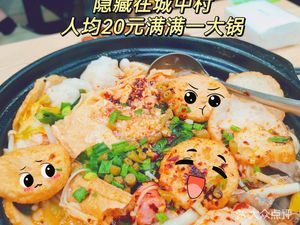
Dishes
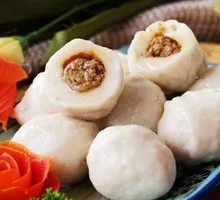 Filled Fish BallsFish balls are made primarily from fish meat. First, the bones are removed and the fish meat is finely minced. Then, egg white, starch, and other seasonings are added, mixed thoroughly, and shaped into small balls. Inside each ball is a savory meat or seafood filling. Once cooked and floating to the surface, they are ready to serve—tender in texture with a rich, flavorful center.
 Baby bok choyBaby bok choy is a small type of Chinese cabbage with a fresh and tender texture. Common cooking methods include stir-frying, garlic stir-fry, or simmering in clear soup. To prepare, first wash the baby bok choy thoroughly, then add appropriate seasonings and ingredients according to your chosen method, and stir-fry until soft or simmer until flavorful.
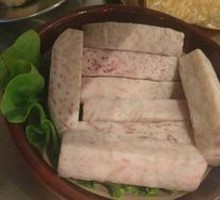 TaroTaro is a root vegetable, with taro as the main ingredient, typically cooked by steaming, boiling, or stewing. It can be served as a standalone dish or combined with other ingredients such as pork ribs or chicken to make taro stew or taro soup.