Old Ox Lord
小吃快餐 · ⭐ 3.7
Shop No. 2, Ground Floor, Building 3, Canglong Island Science and Technology Park
Dragon Mate tips
If you are traveling in China to visit Wuhan, Dragon Mate users do not strongly recommend this restaurant. If you enjoy exploring, you can still try it and see what you find. This restaurant is located at Shop No. 2, Ground Floor, Building 3, Canglong Island Science and Technology Park. It is a 小吃快餐 place, and the flavors are varies by dish (start with the signature dishes). Dragon Mate recommends you try: Braised Egg, Old Bull Special Beef Noodles, Beef and Offal Platter.
If you do not eat pork, make sure to use Dragon Mate voice to clearly tell the staff “no pork” before ordering.
Restaurant guide
- City: Wuhan
- Category: 小吃快餐
- Rating: 3.7
- Address: Shop No. 2, Ground Floor, Building 3, Canglong Island Science and Technology Park
- Popular dishes: Braised Egg, Old Bull Special Beef Noodles, Beef and Offal Platter, Rice Wine
China trip · China travel
Traveling in China? For your China trip and China travel needs—finding great food, discovering beautiful sights, ordering dishes, and communicating—Dragon Mate can handle it all. Dragon Mate is the most useful assistant for traveling in China.

Dishes
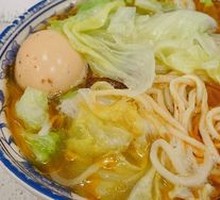 Braised EggStewed eggs are a classic Chinese dish primarily made with eggs. The preparation involves boiling the eggs, peeling them, and then soaking them in a seasoned sauce made from soy sauce and spices until fully flavored. Stewed eggs have a deep color and rich, aromatic taste, making them a common delicacy at both home meals and banquets.
 Old Bull Special Beef NoodlesOld Bull Special Beef Noodles use high-quality beef and a secret broth, slowly stewed. The taste is fresh, the meat is tender, and the soup is rich, making it a local specialty.
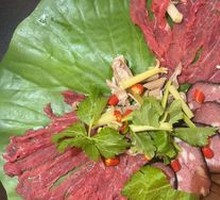 Beef and Offal PlatterA platter featuring tender beef and assorted beef offal, slow-cooked in a rich broth for deep flavor and satisfying texture.
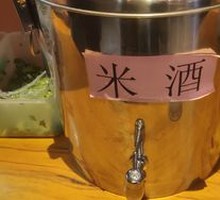 Rice WineRice wine is a traditional fermented beverage made primarily from glutinous rice or regular rice. The production process includes soaking the rice, steaming it, adding yeast starter (qu) to ferment, and finally filtering and clarifying to obtain clear rice wine.