Jue Wei Tang Cai
其他美食 · ⭐ 3.6
Shop No. 10145, Building 30, Huayuan Hailancheng Phase IV, Xuannu East Road, Xingjiamiao Subdistrict, Chanba Ecological District, Daming Palace Subdistrict
Dragon Mate tips
If you are traveling in China to visit Xi'an, Dragon Mate users do not strongly recommend this restaurant. If you enjoy exploring, you can still try it and see what you find. This restaurant is located at Shop No. 10145, Building 30, Huayuan Hailancheng Phase IV, Xuannu East Road, Xingjiamiao Subdistrict, Chanba Ecological District, Daming Palace Subdistrict. It is a 其他美食 place, and the flavors are varies by dish (start with the signature dishes). Dragon Mate recommends you try: Eight Treasure Yam and Lily Porridge, Qianye Tofu, Crispy Pork Strips.
If you do not eat pork, make sure to use Dragon Mate voice to clearly tell the staff “no pork” before ordering.
Restaurant guide
- City: Xi'an
- Category: 其他美食
- Rating: 3.6
- Address: Shop No. 10145, Building 30, Huayuan Hailancheng Phase IV, Xuannu East Road, Xingjiamiao Subdistrict, Chanba Ecological District, Daming Palace Subdistrict
- Popular dishes: Eight Treasure Yam and Lily Porridge, Qianye Tofu, Crispy Pork Strips, Wakame Knot, Sea lettuce
China trip · China travel
Traveling in China? For your China trip and China travel needs—finding great food, discovering beautiful sights, ordering dishes, and communicating—Dragon Mate can handle it all. Dragon Mate is the most useful assistant for traveling in China.

Dishes
 Eight Treasure Yam and Lily PorridgeAn eight-treasure porridge made with yam, lily, lotus seeds, red dates, and other ingredients, known for its mild sweetness and nourishing properties.
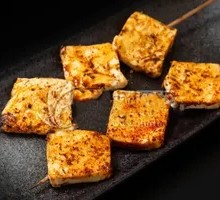 Qianye TofuQianye tofu is made primarily from soy protein powder and starch, with a delicate and tender texture. To prepare, slice the Qianye tofu and then pan-fry, stir-fry, or grill until the surface turns golden brown, then serve with vegetables or other accompaniments.
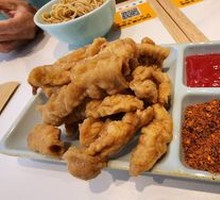 Crispy Pork StripsSucculent pork slices, made from fatty pork belly, are marinated and then deep-fried until golden and crispy. To prepare, the pork belly is sliced thinly, seasoned with salt, cooking wine, and five-spice powder, then fried in hot oil until perfectly crisp.
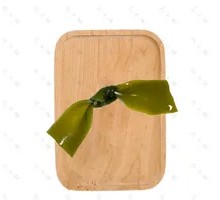 Wakame KnotSea tangle knots are a dish made primarily from kelp, processed through steps such as cleaning, soaking, tying into knots, and cooking. The sea tangle knots appear deep green in color, with a smooth and tender texture and a distinctive fresh flavor characteristic of seafood.
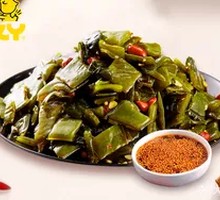 Sea lettuceSea lettuce is a dish primarily made with sea lettuce. After washing, it is blanched or served cold with garlic, soy sauce, vinegar, and sesame oil. It can also be combined with other seafood or vegetables.
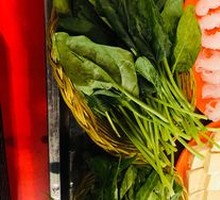 Water spinachWater spinach is a common vegetable beloved for its tender texture and unique fragrance. It can be prepared by stir-frying simply or with garlic, preserving its natural flavor and presenting an appealing green color.
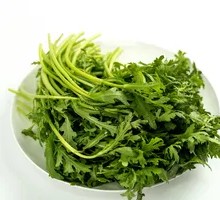 Chinese chrysanthemum greensGai lan, using fresh gai lan as the main ingredient, is prepared through simple cooking techniques to preserve its original flavor as much as possible. Common preparation methods include stir-frying, garlic stir-fry, or cold mixing, aiming to highlight gai lan's unique fragrance and texture.
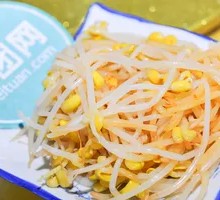 Bean sproutsBean sprouts are vegetables grown from sprouted legume seeds, commonly including mung bean sprouts and soybean sprouts. Typically, they are cleaned and then cooked by stir-frying, boiling, or making cold dishes. They have a crisp texture and are a common ingredient in home-cooked meals.
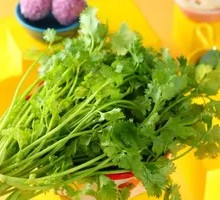 CilantroCilantro, also known as coriander, is a common herb used for seasoning. Its fresh green leaves have a distinctive aroma and are primarily composed of stems and leaves. Cilantro can be used in cold dishes, stir-fries, or as a garnish for soups, adding a refreshing flavor to the dish.
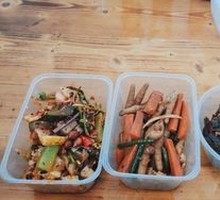 KonjacKonjac is a food made from the corm of the konjac plant, processed into a gel-like texture with a smooth and refreshing mouthfeel. The main ingredients are konjac powder and water, and an alkaline substance is added during processing to solidify the konjac. It can be sliced, shredded, or used whole, and is commonly used in cold dishes, stir-fries, or soups.