Fuzhou Museum
⭐ 3.80
No. 81, Gudong Road, Gulou District, Fuzhou City, Fujian Province, China
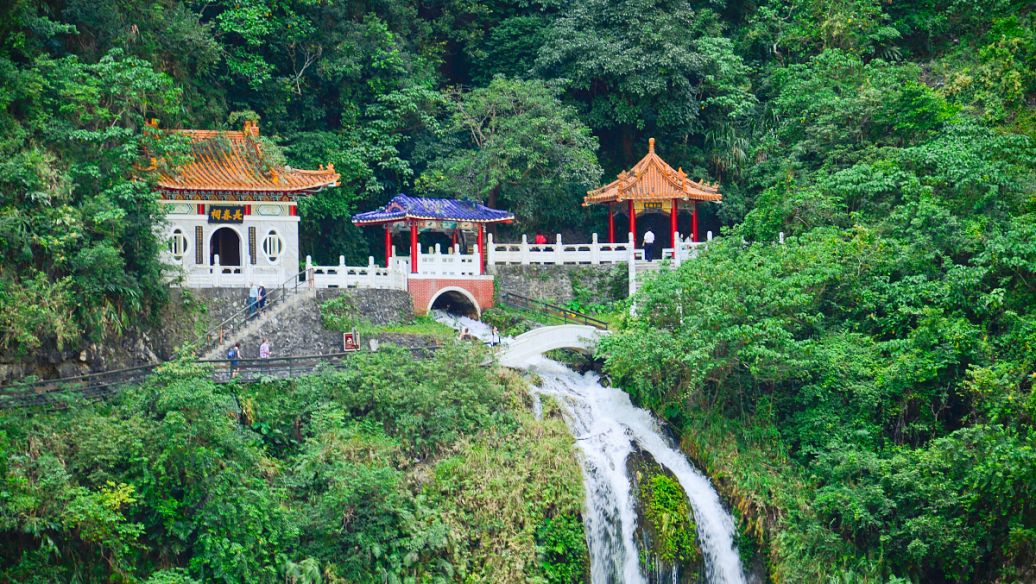 Fuzhou Museum traces its roots to the Fuzhou History Museum established in 1987, relocating to its current purpose-built home in 2008. The city itself boasts over 2,200 years of continuous urban history—comparable in longevity to Rome or Athens—and the museum's flagship exhibition, "Splendid Chapters of Mindu," walks visitors through this remarkable timeline. Beginning with Neolithic settlements along the Min River, the galleries use scale models of traditional Fujian courtyard houses, portrait galleries of notable figures, and period costumes to chart the city's evolution from prehistoric fishing village to modern provincial capital.
The museum's striking architecture fuses traditional Min-style sweeping rooflines with contemporary glass and concrete, hinting at Fuzhou's dual identity as guardian of tradition and modern port city. The dedicated Maritime Silk Road gallery positions the city with Venice, Guangzhou, and Lisbon as a pivotal node in centuries of global commerce. Display cases of export ceramics, detailed ship models, and historical shipping documents illuminate the bustling harbor that once dispatched tea, porcelain, and lacquerware across the South China Sea to Southeast Asia, the Middle East, and beyond.
A highlight for many visitors is the "Wanjiao No.1" shipwreck gallery, displaying Qing-dynasty porcelain salvaged from a sunken merchant vessel. The exquisite blue-and-white wares from Jingdezhen—the same kilns that supplied Europe's royal tables during the eighteenth century—offer a tangible connection to the era when Chinese porcelain was more coveted than gold in European courts. Families particularly enjoy the immersive simulated underwater-recovery experience, complete with wave sound effects and interactive displays that bring the drama of marine archaeology to life.
Beyond its historical narrative, the museum serves as the principal showcase for Mindu material culture. The Shoushan stone carving collection is especially significant—these translucent soapstone sculptures, often depicting figures from Chinese folklore and mythology, represent a craft tradition unique to Fujian. Complementing the stonework are galleries of regional paintings and silk textiles, including embroidered garments and brocade panels that demonstrate the sophisticated textile arts once exported along the maritime trade routes.
Admission is free for all visitors, though foreign guests should bring their passports and pre-register through the museum's official WeChat account. Doors open daily from 9:00 to 17:00, closed Mondays except during national holidays. Mornings tend to be quieter, ideal for unhurried exploration of the four above-ground floors plus basement level. Plan on two to three hours for a comprehensive visit. The on-site gift shop sells well-crafted Shoushan stone souvenirs and Mindu-themed merchandise, though dining options nearby are limited, so eating beforehand is advisable.
The museum sits at 8 Wenbo Road in Jin'an District, accessible by Metro Line 2 to Gushan Station or Line 1 to the Three Lanes and Seven Alleys Station, then transferring to a local bus. Driving is possible, though parking is tight. After your visit, extend your Mindu cultural immersion by walking to the atmospheric Three Lanes and Seven Alleys historic district—one of China's best-preserved medieval urban neighborhoods—or to the larger Fujian Museum nearby. For travelers seeking an accessible, well-curated introduction to southeastern Chinese heritage away from the standard Shanghai–Beijing circuit, Fuzhou Museum delivers surprising depth and quiet charm.
Fuzhou Museum traces its roots to the Fuzhou History Museum established in 1987, relocating to its current purpose-built home in 2008. The city itself boasts over 2,200 years of continuous urban history—comparable in longevity to Rome or Athens—and the museum's flagship exhibition, "Splendid Chapters of Mindu," walks visitors through this remarkable timeline. Beginning with Neolithic settlements along the Min River, the galleries use scale models of traditional Fujian courtyard houses, portrait galleries of notable figures, and period costumes to chart the city's evolution from prehistoric fishing village to modern provincial capital.
The museum's striking architecture fuses traditional Min-style sweeping rooflines with contemporary glass and concrete, hinting at Fuzhou's dual identity as guardian of tradition and modern port city. The dedicated Maritime Silk Road gallery positions the city with Venice, Guangzhou, and Lisbon as a pivotal node in centuries of global commerce. Display cases of export ceramics, detailed ship models, and historical shipping documents illuminate the bustling harbor that once dispatched tea, porcelain, and lacquerware across the South China Sea to Southeast Asia, the Middle East, and beyond.
A highlight for many visitors is the "Wanjiao No.1" shipwreck gallery, displaying Qing-dynasty porcelain salvaged from a sunken merchant vessel. The exquisite blue-and-white wares from Jingdezhen—the same kilns that supplied Europe's royal tables during the eighteenth century—offer a tangible connection to the era when Chinese porcelain was more coveted than gold in European courts. Families particularly enjoy the immersive simulated underwater-recovery experience, complete with wave sound effects and interactive displays that bring the drama of marine archaeology to life.
Beyond its historical narrative, the museum serves as the principal showcase for Mindu material culture. The Shoushan stone carving collection is especially significant—these translucent soapstone sculptures, often depicting figures from Chinese folklore and mythology, represent a craft tradition unique to Fujian. Complementing the stonework are galleries of regional paintings and silk textiles, including embroidered garments and brocade panels that demonstrate the sophisticated textile arts once exported along the maritime trade routes.
Admission is free for all visitors, though foreign guests should bring their passports and pre-register through the museum's official WeChat account. Doors open daily from 9:00 to 17:00, closed Mondays except during national holidays. Mornings tend to be quieter, ideal for unhurried exploration of the four above-ground floors plus basement level. Plan on two to three hours for a comprehensive visit. The on-site gift shop sells well-crafted Shoushan stone souvenirs and Mindu-themed merchandise, though dining options nearby are limited, so eating beforehand is advisable.
The museum sits at 8 Wenbo Road in Jin'an District, accessible by Metro Line 2 to Gushan Station or Line 1 to the Three Lanes and Seven Alleys Station, then transferring to a local bus. Driving is possible, though parking is tight. After your visit, extend your Mindu cultural immersion by walking to the atmospheric Three Lanes and Seven Alleys historic district—one of China's best-preserved medieval urban neighborhoods—or to the larger Fujian Museum nearby. For travelers seeking an accessible, well-curated introduction to southeastern Chinese heritage away from the standard Shanghai–Beijing circuit, Fuzhou Museum delivers surprising depth and quiet charm.