Yongquan Temple
⭐ 4.20
Drum Mountain, Gushan District, Fuzhou City, Fujian Province, China
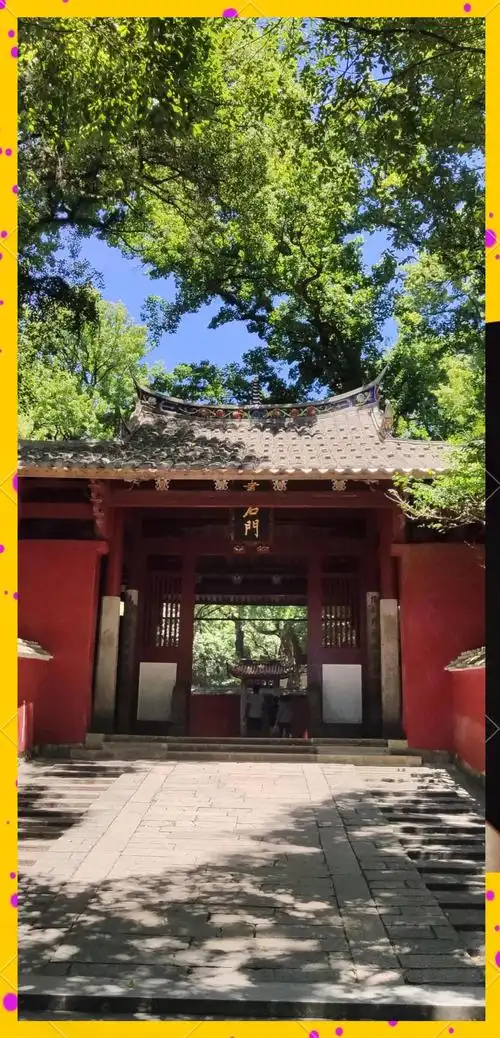 Yongquan Temple, founded in 908 CE during the turbulent Five Dynasties period, predates the Norman Conquest by nearly two centuries and has remained a living center of Buddhist worship for over a millennium. As the head of Fuzhou's "Five Great Zen Forests," it served as the spiritual capital of southern Fujian, where successive generations of eminent monks taught and translated scriptures. The temple earned its reputation as the "crown of Fujian's monasteries" through imperial patronage, including a gold-lettered plaque personally inscribed by the Kangxi Emperor himself. Much like Canterbury Cathedral anchored English Christianity, Yongquan shaped the religious identity of coastal China for centuries.
What makes Yongquan architecturally remarkable is its ingenious concealment within the mountain's embrace. Twenty-five halls crowd around the central Mahavira Hall, tucked between Incense Burner Peak and White Cloud Peak at 455 meters elevation. Walking the forested path, pilgrims encounter no sign of the complex until suddenly stepping through the gates—this "hidden temple" design recalls the cliff-perched monasteries of Meteora in Greece or the secluded abbeys of the French Pyrenees. The wooden halls, rebuilt through the Song, Ming, and Qing dynasties, follow traditional Buddhist proportions while harmonizing with the rugged terrain—a testament to medieval craftsmen who built with the mountain rather than against it.
The temple safeguards the celebrated "Three Treasures and Three Irons." The Three Treasures include a Song-dynasty ceramic pagoda from 1082 featuring more than a thousand miniature Buddhas—comparable in craftsmanship to contemporary European Romanesque reliquaries—alongside over 10,000 woodblocks used to print Buddhist sutras (a treasure rivaling early Gutenberg-era printing plates) and rare blood-written scriptures by devoted monks, reminiscent of medieval Christian relics. The Three Irons comprise a millennium-old iron tree, a massive iron cauldron once feeding a thousand monks, and an iron-wood altar table. These artifacts offer an extraordinary glimpse into imperial-era religion, sculpture, and the history of the printed word.
Reaching Yongquan is straightforward from downtown Fuzhou. Take Metro Line 2 to Gushan Station, or ride a city bus to the "Gushan Lower Courtyard" stop. From there, hikers can climb the mountain trail on foot or ride the cable car for 70 yuan round-trip, which drops visitors directly beside the temple. The combined entrance fee is 40 yuan per person, covering both the scenic area and temple complex, open daily from 6:30 AM to 5:30 PM. Allow 1.5 to 2 hours inside the temple, and dress modestly—shoulders and knees covered—out of respect for the active Buddhist community. Photography of Buddha statues is discouraged.
For the most rewarding experience, arrive between 8 and 10 AM, when morning light filters through the cedar forests and crowds remain thin. After exploring the temple, descend slightly to Lingyuan Cave and the famous Drinking Water Rock, where Song and Ming literati carved their poems into the cliff faces—a tradition echoing the inscriptions left by pilgrims along Spain's Camino de Santiago. The surrounding Gu Mountain scenic area offers cool summer hiking, ancient stone carvings, and panoramic views over Fuzhou's Min River valley. Yongquan rewards travelers seeking not just sightseeing, but a contemplative encounter with over a thousand years of unbroken spiritual devotion.
Yongquan Temple, founded in 908 CE during the turbulent Five Dynasties period, predates the Norman Conquest by nearly two centuries and has remained a living center of Buddhist worship for over a millennium. As the head of Fuzhou's "Five Great Zen Forests," it served as the spiritual capital of southern Fujian, where successive generations of eminent monks taught and translated scriptures. The temple earned its reputation as the "crown of Fujian's monasteries" through imperial patronage, including a gold-lettered plaque personally inscribed by the Kangxi Emperor himself. Much like Canterbury Cathedral anchored English Christianity, Yongquan shaped the religious identity of coastal China for centuries.
What makes Yongquan architecturally remarkable is its ingenious concealment within the mountain's embrace. Twenty-five halls crowd around the central Mahavira Hall, tucked between Incense Burner Peak and White Cloud Peak at 455 meters elevation. Walking the forested path, pilgrims encounter no sign of the complex until suddenly stepping through the gates—this "hidden temple" design recalls the cliff-perched monasteries of Meteora in Greece or the secluded abbeys of the French Pyrenees. The wooden halls, rebuilt through the Song, Ming, and Qing dynasties, follow traditional Buddhist proportions while harmonizing with the rugged terrain—a testament to medieval craftsmen who built with the mountain rather than against it.
The temple safeguards the celebrated "Three Treasures and Three Irons." The Three Treasures include a Song-dynasty ceramic pagoda from 1082 featuring more than a thousand miniature Buddhas—comparable in craftsmanship to contemporary European Romanesque reliquaries—alongside over 10,000 woodblocks used to print Buddhist sutras (a treasure rivaling early Gutenberg-era printing plates) and rare blood-written scriptures by devoted monks, reminiscent of medieval Christian relics. The Three Irons comprise a millennium-old iron tree, a massive iron cauldron once feeding a thousand monks, and an iron-wood altar table. These artifacts offer an extraordinary glimpse into imperial-era religion, sculpture, and the history of the printed word.
Reaching Yongquan is straightforward from downtown Fuzhou. Take Metro Line 2 to Gushan Station, or ride a city bus to the "Gushan Lower Courtyard" stop. From there, hikers can climb the mountain trail on foot or ride the cable car for 70 yuan round-trip, which drops visitors directly beside the temple. The combined entrance fee is 40 yuan per person, covering both the scenic area and temple complex, open daily from 6:30 AM to 5:30 PM. Allow 1.5 to 2 hours inside the temple, and dress modestly—shoulders and knees covered—out of respect for the active Buddhist community. Photography of Buddha statues is discouraged.
For the most rewarding experience, arrive between 8 and 10 AM, when morning light filters through the cedar forests and crowds remain thin. After exploring the temple, descend slightly to Lingyuan Cave and the famous Drinking Water Rock, where Song and Ming literati carved their poems into the cliff faces—a tradition echoing the inscriptions left by pilgrims along Spain's Camino de Santiago. The surrounding Gu Mountain scenic area offers cool summer hiking, ancient stone carvings, and panoramic views over Fuzhou's Min River valley. Yongquan rewards travelers seeking not just sightseeing, but a contemplative encounter with over a thousand years of unbroken spiritual devotion.