Yantai Mountain Park
⭐ 4.60
Yantai Mountain Park, Zhifu District, Yantai City, Shandong Province, China
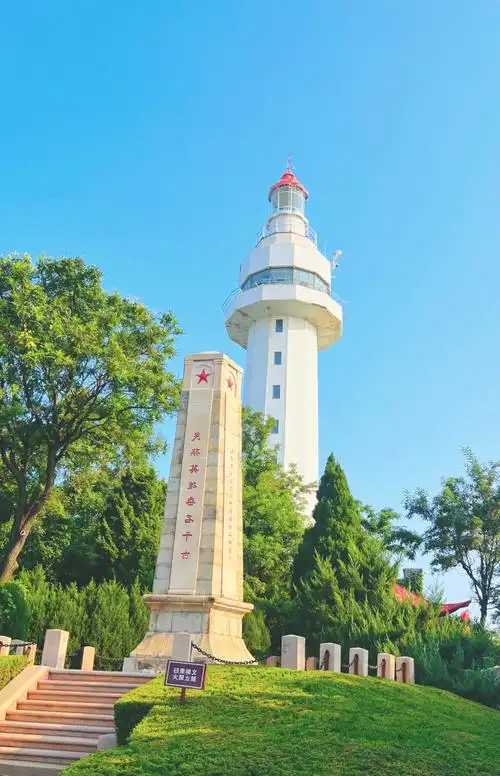 The name "Yantai" literally means "Smoke Platform," coined in 1398 when the Ming court ordered coastal beacon towers built to warn of Japanese pirate raids—the same defensive logic that later produced England's Tudor warning beacons or France's Tour de Constance signal stations. The original fire platform here anchored a chain of lookouts along the Shandong coast, and the city that grew around it eventually inherited the name. Surviving relics include the beacon ruins, the Zhonlie Ancestral Shrine, and a memorial to resistance fighters, anchoring the park in six centuries of coastal defense history.
After the 1861 Treaty of Tientsin opened Yantai to foreign trade, Western powers built consulates and trading houses on this hillside overlooking the harbor. Today more than 30 buildings survive from 17 nations—Britain, America, Germany, Denmark, and Japan among them—in Gothic, Baroque, and Romanesque styles. Critics call it the best-preserved modern foreign consulate complex in Asia, comparable to Shanghai's Bund or the European quarter of old Hanoi. Brick walls and pitched roofs catch the sea light beautifully, and several structures now house small museums or boutique shops.
The hilltop lighthouse is Yantai's most photographed landmark. An elevator whisks visitors up to the 11th-floor observation deck, where a 360° panorama unfolds across Zhifu Bay, the terracotta rooftops of the old town, and the busy working harbor—views on a par with those from Marseille's Notre-Dame de la Garde or Naples' Castel Sant'Elmo. In the late afternoon the western sky turns copper over the water, the moment every photographer waits for. Nearby, the Re Lang Ting pavilion lets you listen to waves on the rocks, while the suspension-style Lianxin Bridge draws couples who attach padlocks to the railings.
Several small cultural museums give the park unexpected depth. The Bing Xin Memorial Hall honors the beloved 20th-century Chinese writer who spent her childhood here and called Yantai her "second hometown." The Yantai Treaty Port Exhibition Hall traces the city's transformation from walled fishing port to international trading hub after 1861, while the Peking Opera Gallery showcases regional stage traditions. Together with the Republican-era Chaoyang Street below and the Ming-dynasty Suochengli district nearby, they form a self-contained walk through five centuries of local history.
The park sits at 7 Lixin Road, Zhifu District, and is rated a national AAAA scenic area and a key national heritage site. Entry is free year-round; the lighthouse costs ¥10 per person. From May 1 to October 31 hours run 08:00–18:30, while winter hours are 08:00–17:30, and indoor halls close on Mondays. Paths are gentle and stroller-friendly, and two to three hours is plenty. A smart itinerary: arrive around 3 p.m., wander the consulate quarter with a camera, ride up the lighthouse for sunset, then stroll the clifftop boardwalk to Re Lang Ting as the sea breeze picks up.
The name "Yantai" literally means "Smoke Platform," coined in 1398 when the Ming court ordered coastal beacon towers built to warn of Japanese pirate raids—the same defensive logic that later produced England's Tudor warning beacons or France's Tour de Constance signal stations. The original fire platform here anchored a chain of lookouts along the Shandong coast, and the city that grew around it eventually inherited the name. Surviving relics include the beacon ruins, the Zhonlie Ancestral Shrine, and a memorial to resistance fighters, anchoring the park in six centuries of coastal defense history.
After the 1861 Treaty of Tientsin opened Yantai to foreign trade, Western powers built consulates and trading houses on this hillside overlooking the harbor. Today more than 30 buildings survive from 17 nations—Britain, America, Germany, Denmark, and Japan among them—in Gothic, Baroque, and Romanesque styles. Critics call it the best-preserved modern foreign consulate complex in Asia, comparable to Shanghai's Bund or the European quarter of old Hanoi. Brick walls and pitched roofs catch the sea light beautifully, and several structures now house small museums or boutique shops.
The hilltop lighthouse is Yantai's most photographed landmark. An elevator whisks visitors up to the 11th-floor observation deck, where a 360° panorama unfolds across Zhifu Bay, the terracotta rooftops of the old town, and the busy working harbor—views on a par with those from Marseille's Notre-Dame de la Garde or Naples' Castel Sant'Elmo. In the late afternoon the western sky turns copper over the water, the moment every photographer waits for. Nearby, the Re Lang Ting pavilion lets you listen to waves on the rocks, while the suspension-style Lianxin Bridge draws couples who attach padlocks to the railings.
Several small cultural museums give the park unexpected depth. The Bing Xin Memorial Hall honors the beloved 20th-century Chinese writer who spent her childhood here and called Yantai her "second hometown." The Yantai Treaty Port Exhibition Hall traces the city's transformation from walled fishing port to international trading hub after 1861, while the Peking Opera Gallery showcases regional stage traditions. Together with the Republican-era Chaoyang Street below and the Ming-dynasty Suochengli district nearby, they form a self-contained walk through five centuries of local history.
The park sits at 7 Lixin Road, Zhifu District, and is rated a national AAAA scenic area and a key national heritage site. Entry is free year-round; the lighthouse costs ¥10 per person. From May 1 to October 31 hours run 08:00–18:30, while winter hours are 08:00–17:30, and indoor halls close on Mondays. Paths are gentle and stroller-friendly, and two to three hours is plenty. A smart itinerary: arrive around 3 p.m., wander the consulate quarter with a camera, ride up the lighthouse for sunset, then stroll the clifftop boardwalk to Re Lang Ting as the sea breeze picks up.