Weifang Yuandu Square
⭐ 3.60
Yuandu Square, Weicheng District, Weifang City, Shandong Province, China
 Weifang has claimed the title of "World Kite Capital" since 1984, and the square stands as the physical emblem of that designation, but kiting itself is far older than any civic branding. The Chinese are generally credited with inventing kites more than 2,000 years ago, and Weifang's kite-making tradition dates to the Ming Dynasty, when craftsmen here produced elaborate pieces for imperial courts. This lineage resonates globally: European kite pioneers like George Pocock experimented with Chinese designs, and aviation history buffs note that the Wright Brothers cited the kite as the direct ancestor of the powered aircraft. A visit here places you at the cultural root of an invention that eventually conquered the skies.
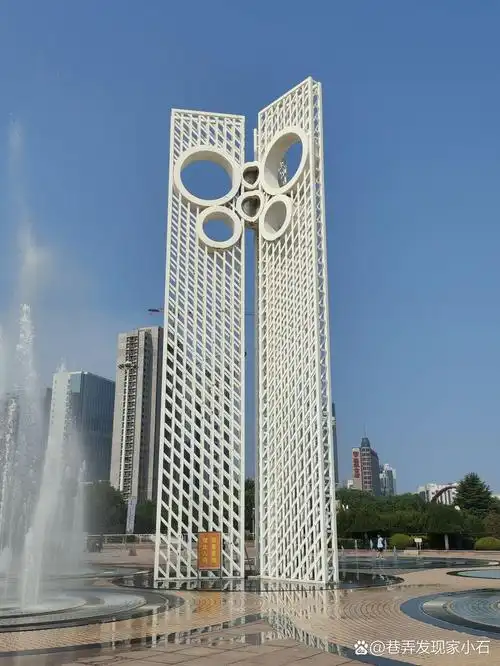
Architecturally, the square is a textbook example of the early-21st-century Chinese civic plaza, comparable in scale and ambition to Madrid's Plaza de España or the more recently landscaped public spaces of post-reunification Berlin. The "Yuan Marker" sculpture, an 18-meter white latticework tower crowned with a rotating butterfly, functions much like a baroque column or modern landmark spire, anchoring sightlines and providing a backdrop for photographs. The dry-deck fountains recall the choreographed water features of European sun-king gardens, while the riverside Yongzheng Boardwalk, a 75-meter steel-and-timber pier inscribed with classical poetry, evokes a more intimate Versailles-style canal walk.
The square's cultural programming is where its identity sharpens. A folk-culture corridor presents cast-bronze sculptures and illuminated paper-cut floor lamps depicting iconic local crafts, including Yangjiabu New Year woodblock prints, comparable in folk-art status to Bavarian Lüftlmalerei or Scandinavian rosemaling. Family visitors will find a children's play area with resin kite pavement paintings and whimsical bronze "tiger-head" shoes and cloth tigers, motifs recognizable to anyone familiar with protective folk charms from Italy's cornicello traditions to Slavic domovoy dolls. It is an accessible, walkable immersion into the everyday textures of rural Shandong heritage.
Practical access is straightforward. The plaza is open 24 hours and entirely free, with bus routes stopping at "Kite Square" station and two underground parking levels for self-drivers. Late afternoon is the optimal time to arrive, allowing visitors to watch the daylight fade over the river, see the fountains activate (especially on weekends and holidays), and then transition into the square's signature evening experience. From spring through autumn, the riverside hosts a vibrant night market, and the 2026 summer upgrade "Free Time High Street" runs live performances, food stalls, and lively open-air dining until the early hours, a sensory atmosphere reminiscent of a Spanish feria or a Provençal summer market.
Time your visit to coincide with the annual Weifang International Kite Festival, typically held in April, when the skies above the square fill with hundreds of competing kites from around the world, transforming the plaza into an open-air gallery of aeronautical art. The adjacent Kite Museum provides essential context and is best toured first, allowing the square's sculptures and motifs to read as a three-dimensional extension of the museum's narrative. Pair the experience with nearby Shihu Garden, a Ming-era scholar's garden often compared to Suzhou's classical gardens in miniature, and the surrounding Taihua commercial district for a satisfying half-day immersion into one of Shandong's most underrated cities.
Weifang has claimed the title of "World Kite Capital" since 1984, and the square stands as the physical emblem of that designation, but kiting itself is far older than any civic branding. The Chinese are generally credited with inventing kites more than 2,000 years ago, and Weifang's kite-making tradition dates to the Ming Dynasty, when craftsmen here produced elaborate pieces for imperial courts. This lineage resonates globally: European kite pioneers like George Pocock experimented with Chinese designs, and aviation history buffs note that the Wright Brothers cited the kite as the direct ancestor of the powered aircraft. A visit here places you at the cultural root of an invention that eventually conquered the skies.
Architecturally, the square is a textbook example of the early-21st-century Chinese civic plaza, comparable in scale and ambition to Madrid's Plaza de España or the more recently landscaped public spaces of post-reunification Berlin. The "Yuan Marker" sculpture, an 18-meter white latticework tower crowned with a rotating butterfly, functions much like a baroque column or modern landmark spire, anchoring sightlines and providing a backdrop for photographs. The dry-deck fountains recall the choreographed water features of European sun-king gardens, while the riverside Yongzheng Boardwalk, a 75-meter steel-and-timber pier inscribed with classical poetry, evokes a more intimate Versailles-style canal walk.
The square's cultural programming is where its identity sharpens. A folk-culture corridor presents cast-bronze sculptures and illuminated paper-cut floor lamps depicting iconic local crafts, including Yangjiabu New Year woodblock prints, comparable in folk-art status to Bavarian Lüftlmalerei or Scandinavian rosemaling. Family visitors will find a children's play area with resin kite pavement paintings and whimsical bronze "tiger-head" shoes and cloth tigers, motifs recognizable to anyone familiar with protective folk charms from Italy's cornicello traditions to Slavic domovoy dolls. It is an accessible, walkable immersion into the everyday textures of rural Shandong heritage.
Practical access is straightforward. The plaza is open 24 hours and entirely free, with bus routes stopping at "Kite Square" station and two underground parking levels for self-drivers. Late afternoon is the optimal time to arrive, allowing visitors to watch the daylight fade over the river, see the fountains activate (especially on weekends and holidays), and then transition into the square's signature evening experience. From spring through autumn, the riverside hosts a vibrant night market, and the 2026 summer upgrade "Free Time High Street" runs live performances, food stalls, and lively open-air dining until the early hours, a sensory atmosphere reminiscent of a Spanish feria or a Provençal summer market.
Time your visit to coincide with the annual Weifang International Kite Festival, typically held in April, when the skies above the square fill with hundreds of competing kites from around the world, transforming the plaza into an open-air gallery of aeronautical art. The adjacent Kite Museum provides essential context and is best toured first, allowing the square's sculptures and motifs to read as a three-dimensional extension of the museum's narrative. Pair the experience with nearby Shihu Garden, a Ming-era scholar's garden often compared to Suzhou's classical gardens in miniature, and the surrounding Taihua commercial district for a satisfying half-day immersion into one of Shandong's most underrated cities.