Zhuoshui River
⭐ 3.60
Zhuoshui River Scenic Area, Hanting District, Weifang City, Shandong Province, China
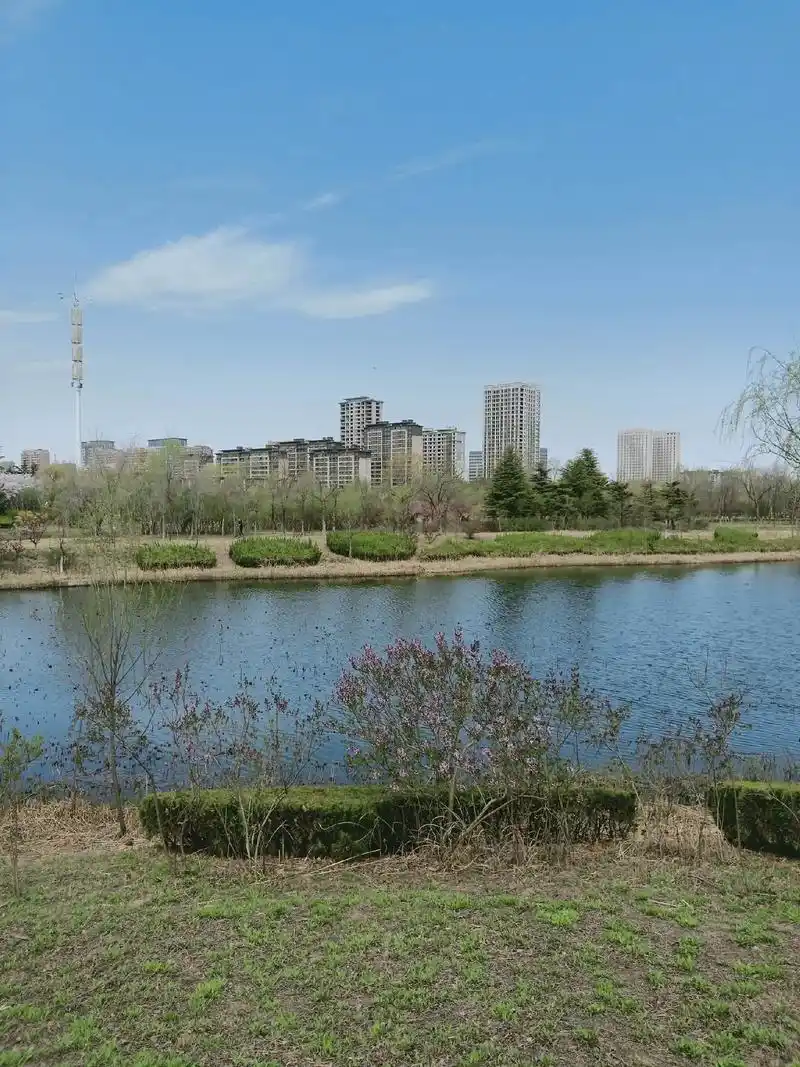 The Zhuoshui River draws its name from Chinese antiquity, specifically from the legendary Han Zhuo, a controversial figure of the Xia Dynasty (c. 2070–1600 BCE) whose story appears among China's earliest recorded narratives of political upheaval. The riverbanks once hosted the Kingdom of Han, an obscure Bronze Age settlement that lends this waterway a pedigree stretching back nearly four millennia. For perspective, the river was already ancient when Homer composed the Iliad across the Aegean. Designated a National AAA Scenic Area in 2010 and selected in 2024 as one of Shandong Province's inaugural "Happiness River and Lake" conservation projects, it represents a contemporary commitment to preserving China's riverine heritage.
The scenic zone's core stretch spans 9.2 kilometers, thoughtfully planned around the ancient Chinese cosmological concept of Wu Xing—the Five Elements of metal, wood, water, fire, and earth. Each theme organizes clusters of attractions, including tree-lined plazas, willow embankments, and a celebrated cherry blossom avenue that rivals similar displays in Bonn, Germany, or Tokyo's Ueno Park. Wooden boardwalks wind along the water's edge, threading through wetlands maintained at China's Class III surface water standard. The ecosystem supports resident egrets, and seasonal shifts transform the corridor: cherry blossoms in spring, dappled green shade in summer, and crimson foliage mirrored in autumn waters.
The river corridor celebrates Weifang's distinction as China's unofficial "Kite Capital," with a folk art park and intangible cultural heritage exhibition weaving traditional symbols into sculptures and relief walls. Weifang kites themselves date to the Spring and Autumn Period (771–476 BCE) and have flown in collections from the Smithsonian to the Louvre. Striking installations, including a "Two Dragons Entwined" sculpture, punctuate the landscape, while interpretive plaques recount the Han Zhuo legends scattered along the path. Together, these features transform an ecological greenway into an open-air museum bridging nature with millennia of local craftsmanship.
Admission is entirely free, with no reservation required and access available around the clock. Local buses serve stops near the "Zhuoshui River Scenic Area" or "Zhuoshui River Park East Gate." Note that no on-site vendors sell refreshments, so bringing water and snacks is essential—nearby dining options are limited. Comfortable, slip-resistant footwear is recommended, particularly after rainfall when riverside paths become slick, and mosquito repellent proves useful during humid summer evenings. The optimal visiting windows are early morning (6:30–8:30) or early evening (17:30–19:30), when soft golden light and cooler temperatures create ideal conditions for walking or cycling the 3–4 kilometer loop.
The Zhuoshui River appeals most to travelers seeking authentic everyday Chinese urban life rather than blockbuster tourist attractions. It functions as Weifang's equivalent of London's Thames Path or Paris's Coulée Verte—an elevated ribbon of greenery reborn from working infrastructure. Couples, families with children, joggers, and amateur photographers will find plenty to enjoy, though those expecting boat rides, performances, or elaborate entertainment should temper expectations. The absence of crowds, admission fees, and commercialization makes it perfect for travelers already exploring Weifang's renowned kite museums and ancient salt-production sites, offering a tranquil green counterpoint between more demanding cultural stops.
The Zhuoshui River draws its name from Chinese antiquity, specifically from the legendary Han Zhuo, a controversial figure of the Xia Dynasty (c. 2070–1600 BCE) whose story appears among China's earliest recorded narratives of political upheaval. The riverbanks once hosted the Kingdom of Han, an obscure Bronze Age settlement that lends this waterway a pedigree stretching back nearly four millennia. For perspective, the river was already ancient when Homer composed the Iliad across the Aegean. Designated a National AAA Scenic Area in 2010 and selected in 2024 as one of Shandong Province's inaugural "Happiness River and Lake" conservation projects, it represents a contemporary commitment to preserving China's riverine heritage.
The scenic zone's core stretch spans 9.2 kilometers, thoughtfully planned around the ancient Chinese cosmological concept of Wu Xing—the Five Elements of metal, wood, water, fire, and earth. Each theme organizes clusters of attractions, including tree-lined plazas, willow embankments, and a celebrated cherry blossom avenue that rivals similar displays in Bonn, Germany, or Tokyo's Ueno Park. Wooden boardwalks wind along the water's edge, threading through wetlands maintained at China's Class III surface water standard. The ecosystem supports resident egrets, and seasonal shifts transform the corridor: cherry blossoms in spring, dappled green shade in summer, and crimson foliage mirrored in autumn waters.
The river corridor celebrates Weifang's distinction as China's unofficial "Kite Capital," with a folk art park and intangible cultural heritage exhibition weaving traditional symbols into sculptures and relief walls. Weifang kites themselves date to the Spring and Autumn Period (771–476 BCE) and have flown in collections from the Smithsonian to the Louvre. Striking installations, including a "Two Dragons Entwined" sculpture, punctuate the landscape, while interpretive plaques recount the Han Zhuo legends scattered along the path. Together, these features transform an ecological greenway into an open-air museum bridging nature with millennia of local craftsmanship.
Admission is entirely free, with no reservation required and access available around the clock. Local buses serve stops near the "Zhuoshui River Scenic Area" or "Zhuoshui River Park East Gate." Note that no on-site vendors sell refreshments, so bringing water and snacks is essential—nearby dining options are limited. Comfortable, slip-resistant footwear is recommended, particularly after rainfall when riverside paths become slick, and mosquito repellent proves useful during humid summer evenings. The optimal visiting windows are early morning (6:30–8:30) or early evening (17:30–19:30), when soft golden light and cooler temperatures create ideal conditions for walking or cycling the 3–4 kilometer loop.
The Zhuoshui River appeals most to travelers seeking authentic everyday Chinese urban life rather than blockbuster tourist attractions. It functions as Weifang's equivalent of London's Thames Path or Paris's Coulée Verte—an elevated ribbon of greenery reborn from working infrastructure. Couples, families with children, joggers, and amateur photographers will find plenty to enjoy, though those expecting boat rides, performances, or elaborate entertainment should temper expectations. The absence of crowds, admission fees, and commercialization makes it perfect for travelers already exploring Weifang's renowned kite museums and ancient salt-production sites, offering a tranquil green counterpoint between more demanding cultural stops.