Dongshan Island
⭐ 4.60
Dongshan Island, Dongshan County, Zhangzhou City, Fujian Province, China
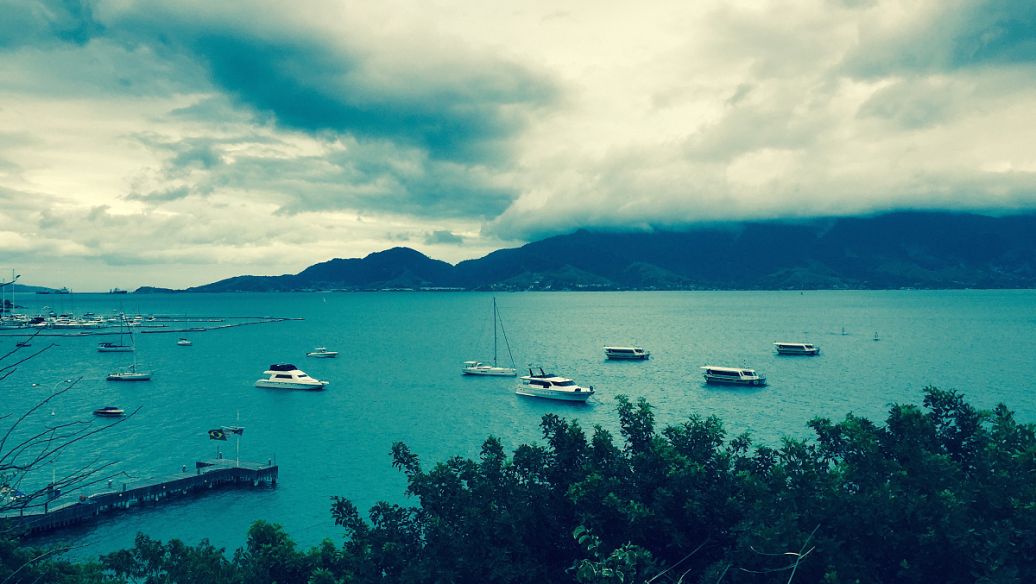 Dongshan's most celebrated natural wonder is the Wind-Rocking Stone, a 200-ton boulder balanced so precisely atop a granite base that visitors can nudge it without toppling it—a phenomenon similar to Ireland's balancing rocks at Burren or the famous "Golden Rock" of Myanmar. Equally stunning is Jinluan Bay, whose thin layer of seawater at low tide creates a glassy "mirror of the sky" that rivals Bolivia's Salar de Uyuni for surreal photographic appeal, especially at sunrise. Further afield, Fish-Bone Sandbar emerges only at low tide and requires a short boat ride, while the Su Feng Mountain coastal road—often called "the most beautiful half-mountain, half-sea road"—winds along cliff edges in a way reminiscent of Italy's Amalfi Coast drives.
The island's historical layer is remarkable for a place so unassuming. The Dongshan Guandi Temple, founded in the early Ming Dynasty, represents the pinnacle of southern Fujian's "jianci" (cut-and-paste porcelain shard) decorative art, a craft as intricate as Portuguese azulejo tilework. It also serves as the ancestral shrine for Guandi (the deified general Guan Yu) venerated across the Taiwan Strait, making it a pilgrimage site of cross-strait significance. Nearby, Tongshan Ancient City was constructed by the legendary Ming anti-piracy general Qi Jiguang—contemporary with Europe's Elizabethan-era fortification builders—and its weathered seawalls still hint at the naval skirmishes that shaped Ming maritime defense.
Top Street (Dingjie) has weathered more than six centuries of footsteps along its flagstone lanes, flanked by old courtyard houses whose tiled roofs and carved doorways recall the vernacular charm of Portugal's Óbidos or Greece's Nafplio old quarters. The street shot to fame after the 2015 film "The Left Ear" was partly filmed here, lending it a bohemian, film-set atmosphere that draws young photographers and artists. Nearby, Nanmen Bay's multicolored fishing houses light up at dusk like a Mediterranean harbor village, while Maluan Bay offers a fully serviced, nationally certified beach with lifeguards—comparable in safety standards to a Côte d'Azur plage.
Practical logistics are refreshingly straightforward. High-speed trains run to Yunxiao Station, from which local buses and taxis complete the journey to the island; once there, renting an e-scooter (around 60–80 RMB per day) or a car is the best way to explore. Note that Su Feng Mountain Road is one-way, so check directional signs carefully. Plan for two to three days to balance one efficient highlights loop with a slower cultural day. The peak season is August, when crowds swell and typhoon risk increases; spring (April–May) and autumn (October–November) offer gentler weather. Always consult tide tables before visiting Fish-Bone Sandbar or attempting sunrise reflections at Jinluan Bay.
Dongshan delivers exceptional value for travelers. Local seafood—particularly the nationally certified Dongshan abalone, sweet white-cut baby squid, balang fish, and traditional snacks like cat-congee and shaomai dumplings—can be enjoyed at casual open-air eateries for roughly 50–70 RMB per person, with quality rivaling coastal Mediterranean fare at a fraction of the price. (Always confirm prices before ordering to avoid surprises.) With its combination of geological curiosities, Ming-era heritage, photogenic villages, and uncrowded beaches, Dongshan Island offers something rare in modern China: an authentic, unhurried coastal experience within easy reach of major cities—well worth the detour for any visitor to Fujian.
Dongshan's most celebrated natural wonder is the Wind-Rocking Stone, a 200-ton boulder balanced so precisely atop a granite base that visitors can nudge it without toppling it—a phenomenon similar to Ireland's balancing rocks at Burren or the famous "Golden Rock" of Myanmar. Equally stunning is Jinluan Bay, whose thin layer of seawater at low tide creates a glassy "mirror of the sky" that rivals Bolivia's Salar de Uyuni for surreal photographic appeal, especially at sunrise. Further afield, Fish-Bone Sandbar emerges only at low tide and requires a short boat ride, while the Su Feng Mountain coastal road—often called "the most beautiful half-mountain, half-sea road"—winds along cliff edges in a way reminiscent of Italy's Amalfi Coast drives.
The island's historical layer is remarkable for a place so unassuming. The Dongshan Guandi Temple, founded in the early Ming Dynasty, represents the pinnacle of southern Fujian's "jianci" (cut-and-paste porcelain shard) decorative art, a craft as intricate as Portuguese azulejo tilework. It also serves as the ancestral shrine for Guandi (the deified general Guan Yu) venerated across the Taiwan Strait, making it a pilgrimage site of cross-strait significance. Nearby, Tongshan Ancient City was constructed by the legendary Ming anti-piracy general Qi Jiguang—contemporary with Europe's Elizabethan-era fortification builders—and its weathered seawalls still hint at the naval skirmishes that shaped Ming maritime defense.
Top Street (Dingjie) has weathered more than six centuries of footsteps along its flagstone lanes, flanked by old courtyard houses whose tiled roofs and carved doorways recall the vernacular charm of Portugal's Óbidos or Greece's Nafplio old quarters. The street shot to fame after the 2015 film "The Left Ear" was partly filmed here, lending it a bohemian, film-set atmosphere that draws young photographers and artists. Nearby, Nanmen Bay's multicolored fishing houses light up at dusk like a Mediterranean harbor village, while Maluan Bay offers a fully serviced, nationally certified beach with lifeguards—comparable in safety standards to a Côte d'Azur plage.
Practical logistics are refreshingly straightforward. High-speed trains run to Yunxiao Station, from which local buses and taxis complete the journey to the island; once there, renting an e-scooter (around 60–80 RMB per day) or a car is the best way to explore. Note that Su Feng Mountain Road is one-way, so check directional signs carefully. Plan for two to three days to balance one efficient highlights loop with a slower cultural day. The peak season is August, when crowds swell and typhoon risk increases; spring (April–May) and autumn (October–November) offer gentler weather. Always consult tide tables before visiting Fish-Bone Sandbar or attempting sunrise reflections at Jinluan Bay.
Dongshan delivers exceptional value for travelers. Local seafood—particularly the nationally certified Dongshan abalone, sweet white-cut baby squid, balang fish, and traditional snacks like cat-congee and shaomai dumplings—can be enjoyed at casual open-air eateries for roughly 50–70 RMB per person, with quality rivaling coastal Mediterranean fare at a fraction of the price. (Always confirm prices before ordering to avoid surprises.) With its combination of geological curiosities, Ming-era heritage, photogenic villages, and uncrowded beaches, Dongshan Island offers something rare in modern China: an authentic, unhurried coastal experience within easy reach of major cities—well worth the detour for any visitor to Fujian.