Chuzhou Wildlife Zoo
⭐ 3.80
Yongqiao District, Suzhou City, Anhui Province, China
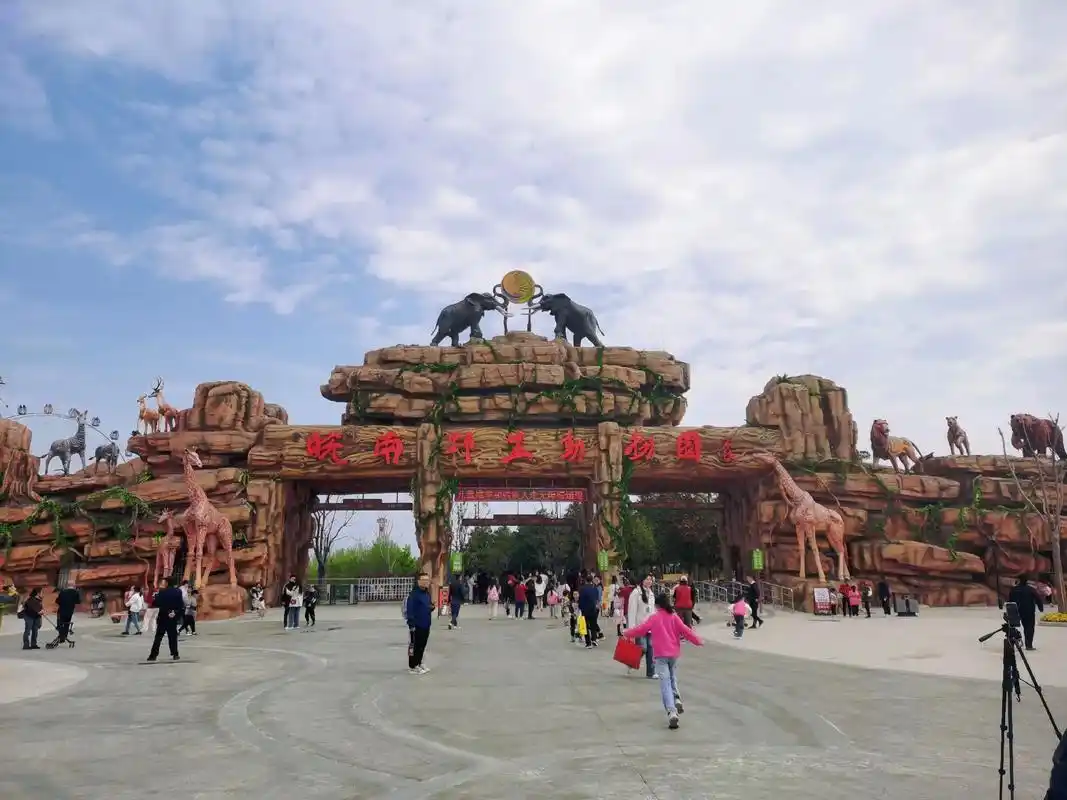 Although commonly confused with Chuzhou Wildlife Park (located about 100 km away in neighboring Anhui territory), Suzhou Wildlife Park sits in Yongqiao District of Suzhou City, a region historically tied to the ancient Huai River civilization that predates China's imperial dynasties. Like Europe's 19th-century zoological gardens, which began as royal menageries before transforming into centers of public education, modern Chinese wildlife parks serve dual purposes of conservation and recreation. The park's 215-acre grounds reflect this evolving philosophy, blending traditional Chinese landscape design with contemporary safari experiences that rival those at Whipsnade Zoo in England or Singapore Night Safari.
The park is thoughtfully organized into distinct zones, much like Berlin's Tierpark or San Diego's Safari Park. Walking paths wind through a series of ecological pavilions—Panda Hall, Primate House, Giraffe Pavilion, a Petting Zoo, Bird Paradise, and an Amphibian & Reptile House—each designed to mimic natural habitats. The Giant Panda enclosure is particularly prized; these endangered bears are among the few living in the entire Huaihai region, drawing visitors from across several provinces. Throughout the grounds, Chinese garden elements such as willow-shaded ponds and stone bridges soften transitions between modern animal enclosures.
For those seeking a touch of adventure, the drive-through safari area allows guests to observe lions, tigers, and bears from the safety of their own vehicle, or aboard the park's guided feeding carts. The signature "Into the Tiger's Den" experience lets visitors offer food to big cats under staff supervision, an encounter echoing the feeding programs at Australia's Australia Zoo. Parrot interactions offer memorable photo opportunities, while dedicated children's zones with bumper boats, rainbow slides, and trampoline bridges keep younger visitors entertained between animal viewings.
Live performances add theatrical flair reminiscent of historical menagerie shows. The Xiongfeng Theater and Cizi Theater host daily circus acts featuring seals, monkeys, and trained birds, with expanded weekend schedules. These shows reflect a long Chinese tradition of animal performance art dating back to imperial court entertainments, though modern productions emphasize educational messages about conservation. Seasonal events, including summer lantern festivals with illuminated animal sculptures, transform the park into an after-dark spectacle during warmer months.
Admission is remarkably affordable by international standards: adult tickets cost approximately 60 RMB (around $8 USD), with discounted tickets for children and seniors at about 30 RMB. The park operates from 9:00 AM to 6:00 PM during peak season (April 1 to October 10) and 9:00 AM to 5:00 PM in winter, with last entry at 5:30 PM. Given the expansive grounds, renting an electric cart (around 50 RMB) is strongly recommended. Online advance booking typically offers additional savings.
Public transportation to the park is limited, so renting a car or arranging a taxi through apps like Didi is advisable—drivers should navigate to Honghe Road in Zhuxianzhuang, Yongqiao District. Summer temperatures in Anhui can exceed 35°C, so sunscreen, hats, and plenty of water are essential. Strict safety rules apply in predator zones: remain inside vehicles, never tap on windows, and refrain from teasing animals. Outside food, particularly carrots, is prohibited for feeding. Visitors should check the official website before traveling for special events or weather-related closures.
Although commonly confused with Chuzhou Wildlife Park (located about 100 km away in neighboring Anhui territory), Suzhou Wildlife Park sits in Yongqiao District of Suzhou City, a region historically tied to the ancient Huai River civilization that predates China's imperial dynasties. Like Europe's 19th-century zoological gardens, which began as royal menageries before transforming into centers of public education, modern Chinese wildlife parks serve dual purposes of conservation and recreation. The park's 215-acre grounds reflect this evolving philosophy, blending traditional Chinese landscape design with contemporary safari experiences that rival those at Whipsnade Zoo in England or Singapore Night Safari.
The park is thoughtfully organized into distinct zones, much like Berlin's Tierpark or San Diego's Safari Park. Walking paths wind through a series of ecological pavilions—Panda Hall, Primate House, Giraffe Pavilion, a Petting Zoo, Bird Paradise, and an Amphibian & Reptile House—each designed to mimic natural habitats. The Giant Panda enclosure is particularly prized; these endangered bears are among the few living in the entire Huaihai region, drawing visitors from across several provinces. Throughout the grounds, Chinese garden elements such as willow-shaded ponds and stone bridges soften transitions between modern animal enclosures.
For those seeking a touch of adventure, the drive-through safari area allows guests to observe lions, tigers, and bears from the safety of their own vehicle, or aboard the park's guided feeding carts. The signature "Into the Tiger's Den" experience lets visitors offer food to big cats under staff supervision, an encounter echoing the feeding programs at Australia's Australia Zoo. Parrot interactions offer memorable photo opportunities, while dedicated children's zones with bumper boats, rainbow slides, and trampoline bridges keep younger visitors entertained between animal viewings.
Live performances add theatrical flair reminiscent of historical menagerie shows. The Xiongfeng Theater and Cizi Theater host daily circus acts featuring seals, monkeys, and trained birds, with expanded weekend schedules. These shows reflect a long Chinese tradition of animal performance art dating back to imperial court entertainments, though modern productions emphasize educational messages about conservation. Seasonal events, including summer lantern festivals with illuminated animal sculptures, transform the park into an after-dark spectacle during warmer months.
Admission is remarkably affordable by international standards: adult tickets cost approximately 60 RMB (around $8 USD), with discounted tickets for children and seniors at about 30 RMB. The park operates from 9:00 AM to 6:00 PM during peak season (April 1 to October 10) and 9:00 AM to 5:00 PM in winter, with last entry at 5:30 PM. Given the expansive grounds, renting an electric cart (around 50 RMB) is strongly recommended. Online advance booking typically offers additional savings.
Public transportation to the park is limited, so renting a car or arranging a taxi through apps like Didi is advisable—drivers should navigate to Honghe Road in Zhuxianzhuang, Yongqiao District. Summer temperatures in Anhui can exceed 35°C, so sunscreen, hats, and plenty of water are essential. Strict safety rules apply in predator zones: remain inside vehicles, never tap on windows, and refrain from teasing animals. Outside food, particularly carrots, is prohibited for feeding. Visitors should check the official website before traveling for special events or weather-related closures.