Luyang Lake
⭐ 3.60
Luyang Lake Scenic Area, Linwei District, Weinan City, Shaanxi Province, China
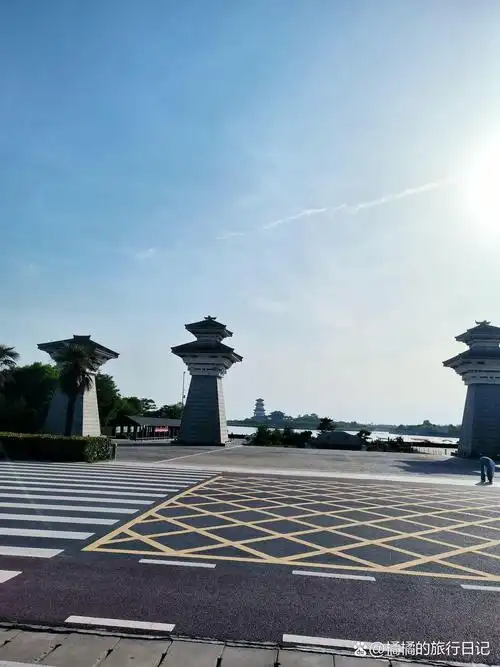 The name "Luyang" derives from ancient salt-producing marshes that defined this basin long before recorded history. Comparable to the saline steppe lakes of Central Asia or Spain's Laguna de Gallocanta, this enclosed alkaline depression—classified as a sulfate-chloride type lake—has been transformed through decades of ecological restoration into one of Shaanxi's few inland wetland ecosystems. The 78.5% wetland ratio supports vast reed beds alongside the human-made Tianjiao Lake, creating a layered landscape where environmental recovery meets natural regeneration just 78 km from the ancient Tang-era capital of Xi'an.
Birdwatchers treat Luyang Lake as something of a secret reserve. Spring and autumn migrations bring internationally protected species including the Great Bustard—Europe's heaviest flying bird—and the striking Black Stork, alongside dozens of waterfowl species that wheel above the reeds in formations reminiscent of the Camargue in southern France. Elevated boardwalks thread silently through the marsh, allowing close approach without disturbance. Winter transforms the site into a crucial refuge for overwintering migrants, while summer brings dragonflies and blooming lotus that rival the photogenic wetlands of Hortobágy in Hungary.
What sets Luyang Lake apart from typical wetland parks is its parallel identity as China's general aviation showcase. The site enjoys a rare 20-kilometer radius of airspace below 2,000 meters—comparable to private flying zones near Berlin or small regional airfields in the American Midwest—making it the permanent host of the biennial China International General Aviation Conference. Visitors can watch aerobatic displays, pilot model aircraft, and even book trial flights or introductory pilot lessons. A national aviation education center anchors this experience, turning the park into a living classroom where children can trace humanity's dream of flight.
The Wen Dian Cultural Square introduces a Han Dynasty flourish, with stone columns and ceremonial archways reminiscent of classical European triumphal forms but carved with Western Han aphorisms and legends. The Banqiao Ancient Ferry and Yang Jue worship site layer folk memory onto the landscape, while non-heritage markets animate weekends with local crafts. Leisure pursuits include painted pleasure boats across Tianjiao Lake (30 yuan) and motor-yacht excursions (50 yuan)—modestly priced by global standards—offering alternative vantage points on the marsh and its birdlife.
The main park is free to enter, accessible by car via the Lianhuo Expressway south to the Weipu Expressway, exiting at the Luyang Lake Interchange. Best visiting windows are March through May for peak bird migration and September through November for mild weather and golden reeds. Summer demands sun protection and mosquito repellent; winter rewards patient observers with migrant flocks. Aviation experiences operate on scheduled dates only, so check the official calendar before traveling. The strongly alkaline water is unsafe for swimming—admire but do not enter.
For travelers seeking something beyond China's iconic ancient sites, Luyang Lake offers a refreshingly unconventional mix. Where else can you photograph rare bustards at dawn, then strap into a light aircraft by afternoon? The combination of working aviation infrastructure, authentic wetland ecology, and easy access from Xi'an makes this an ideal day trip for curious families, photography enthusiasts, and anyone drawn to China's quieter, less-trodden landscapes.
The name "Luyang" derives from ancient salt-producing marshes that defined this basin long before recorded history. Comparable to the saline steppe lakes of Central Asia or Spain's Laguna de Gallocanta, this enclosed alkaline depression—classified as a sulfate-chloride type lake—has been transformed through decades of ecological restoration into one of Shaanxi's few inland wetland ecosystems. The 78.5% wetland ratio supports vast reed beds alongside the human-made Tianjiao Lake, creating a layered landscape where environmental recovery meets natural regeneration just 78 km from the ancient Tang-era capital of Xi'an.
Birdwatchers treat Luyang Lake as something of a secret reserve. Spring and autumn migrations bring internationally protected species including the Great Bustard—Europe's heaviest flying bird—and the striking Black Stork, alongside dozens of waterfowl species that wheel above the reeds in formations reminiscent of the Camargue in southern France. Elevated boardwalks thread silently through the marsh, allowing close approach without disturbance. Winter transforms the site into a crucial refuge for overwintering migrants, while summer brings dragonflies and blooming lotus that rival the photogenic wetlands of Hortobágy in Hungary.
What sets Luyang Lake apart from typical wetland parks is its parallel identity as China's general aviation showcase. The site enjoys a rare 20-kilometer radius of airspace below 2,000 meters—comparable to private flying zones near Berlin or small regional airfields in the American Midwest—making it the permanent host of the biennial China International General Aviation Conference. Visitors can watch aerobatic displays, pilot model aircraft, and even book trial flights or introductory pilot lessons. A national aviation education center anchors this experience, turning the park into a living classroom where children can trace humanity's dream of flight.
The Wen Dian Cultural Square introduces a Han Dynasty flourish, with stone columns and ceremonial archways reminiscent of classical European triumphal forms but carved with Western Han aphorisms and legends. The Banqiao Ancient Ferry and Yang Jue worship site layer folk memory onto the landscape, while non-heritage markets animate weekends with local crafts. Leisure pursuits include painted pleasure boats across Tianjiao Lake (30 yuan) and motor-yacht excursions (50 yuan)—modestly priced by global standards—offering alternative vantage points on the marsh and its birdlife.
The main park is free to enter, accessible by car via the Lianhuo Expressway south to the Weipu Expressway, exiting at the Luyang Lake Interchange. Best visiting windows are March through May for peak bird migration and September through November for mild weather and golden reeds. Summer demands sun protection and mosquito repellent; winter rewards patient observers with migrant flocks. Aviation experiences operate on scheduled dates only, so check the official calendar before traveling. The strongly alkaline water is unsafe for swimming—admire but do not enter.
For travelers seeking something beyond China's iconic ancient sites, Luyang Lake offers a refreshingly unconventional mix. Where else can you photograph rare bustards at dawn, then strap into a light aircraft by afternoon? The combination of working aviation infrastructure, authentic wetland ecology, and easy access from Xi'an makes this an ideal day trip for curious families, photography enthusiasts, and anyone drawn to China's quieter, less-trodden landscapes.