Hancheng Ancient City
⭐ 4.50
Hancheng Ancient City, by the Ju River, Hancheng City, Weinan, Shaanxi Province, China
 Hancheng has stood as a strategic crossroads since 625 CE, when the Tang dynasty established it as a gateway between the Guanzhong plain and the northern frontier of Shaanxi. Think of it as China's answer to a medieval European burgh like York or Bruges, fortified against nomadic incursions and serving as a vital trading hub where merchants from the Central Plains met those travelling the ancient Silk Road. Designated a National Historic and Cultural City in 1986, the town accumulated layers of cultural prestige that rival the literary heritage of Stratford-upon-Avon, being the birthplace of the great Han dynasty historian Sima Qian.
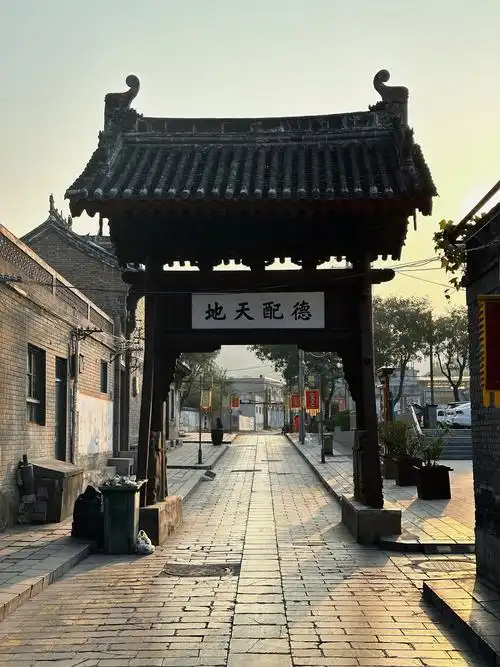
The old town's spine is Jincheng Street, which stretches nearly a kilometre from the Jin Pagoda at its "dragon's head" in the north to an old bridge marking the "tail" in the south, with 72 side alleys branching off like ribs. The preserved Ming-Qing houses follow the classic "shop below, storeroom above" arrangement and feature exquisite carved-brick gateways and narrow, secluded courtyards, similar in feel to the merchant homes of Amsterdam's Jordaan district or Seville's Santa Cruz quarter. Cobblestone lanes worn smooth by centuries of foot traffic invite aimless exploration.
At the civic heart stand three temple complexes, the Confucian Temple, City God Temple, and Dongying Temple, containing wooden architectural treasures spanning the Yuan to Qing dynasties. Within the Confucian Temple grows a remarkable 1,500-year-old "Five-Finger Cypress," a botanical elder worthy of comparison to the ancient oaks of English country estates. Scattered throughout the lanes are the former residences of examination top-scorers, a relic palace connected to the rebel Li Zicheng, and Longmen Academy, all testaments to the town's enduring scholarly tradition.
The old town streets are open 24 hours and free to enter year-round, while the Three Temples and museum areas typically operate from 8:00 to 18:00, sometimes requiring advance booking. Visitors should book only through official channels and avoid unofficial "all-inclusive" ticket touts. Plan for at least half a day, ideally a full day; mornings and evenings are best for photographing the dragon-shaped main street and quiet back alleys, with afternoon tea in a shaded courtyard as a welcome respite.
Evening brings the lively night market along South Street, where regional specialities like lamb helao noodles, xuemian (a buckwheat dish unique to the area), and Sichuan pepper-spiced rice crisps reward curious palates. During festivals, visitors can also watch traditional performances including thunderous yangko drums and the spectacular molten-iron fireworks known as da tiehua. Note that Hancheng has no metro, so the old town is best explored on foot, while outlying sights like the spectacular Dangjia Village and Sima Qian Memorial Temple require a hired car or taxi. Wear comfortable flat shoes for the cobblestones, and carry sunscreen and water during the hot, dry summers.
Hancheng has stood as a strategic crossroads since 625 CE, when the Tang dynasty established it as a gateway between the Guanzhong plain and the northern frontier of Shaanxi. Think of it as China's answer to a medieval European burgh like York or Bruges, fortified against nomadic incursions and serving as a vital trading hub where merchants from the Central Plains met those travelling the ancient Silk Road. Designated a National Historic and Cultural City in 1986, the town accumulated layers of cultural prestige that rival the literary heritage of Stratford-upon-Avon, being the birthplace of the great Han dynasty historian Sima Qian.
The old town's spine is Jincheng Street, which stretches nearly a kilometre from the Jin Pagoda at its "dragon's head" in the north to an old bridge marking the "tail" in the south, with 72 side alleys branching off like ribs. The preserved Ming-Qing houses follow the classic "shop below, storeroom above" arrangement and feature exquisite carved-brick gateways and narrow, secluded courtyards, similar in feel to the merchant homes of Amsterdam's Jordaan district or Seville's Santa Cruz quarter. Cobblestone lanes worn smooth by centuries of foot traffic invite aimless exploration.
At the civic heart stand three temple complexes, the Confucian Temple, City God Temple, and Dongying Temple, containing wooden architectural treasures spanning the Yuan to Qing dynasties. Within the Confucian Temple grows a remarkable 1,500-year-old "Five-Finger Cypress," a botanical elder worthy of comparison to the ancient oaks of English country estates. Scattered throughout the lanes are the former residences of examination top-scorers, a relic palace connected to the rebel Li Zicheng, and Longmen Academy, all testaments to the town's enduring scholarly tradition.
The old town streets are open 24 hours and free to enter year-round, while the Three Temples and museum areas typically operate from 8:00 to 18:00, sometimes requiring advance booking. Visitors should book only through official channels and avoid unofficial "all-inclusive" ticket touts. Plan for at least half a day, ideally a full day; mornings and evenings are best for photographing the dragon-shaped main street and quiet back alleys, with afternoon tea in a shaded courtyard as a welcome respite.
Evening brings the lively night market along South Street, where regional specialities like lamb helao noodles, xuemian (a buckwheat dish unique to the area), and Sichuan pepper-spiced rice crisps reward curious palates. During festivals, visitors can also watch traditional performances including thunderous yangko drums and the spectacular molten-iron fireworks known as da tiehua. Note that Hancheng has no metro, so the old town is best explored on foot, while outlying sights like the spectacular Dangjia Village and Sima Qian Memorial Temple require a hired car or taxi. Wear comfortable flat shoes for the cobblestones, and carry sunscreen and water during the hot, dry summers.