Nanxi River
⭐ 4.50
Nanxi River Scenic Area, Wenzhou, Zhejiang, China
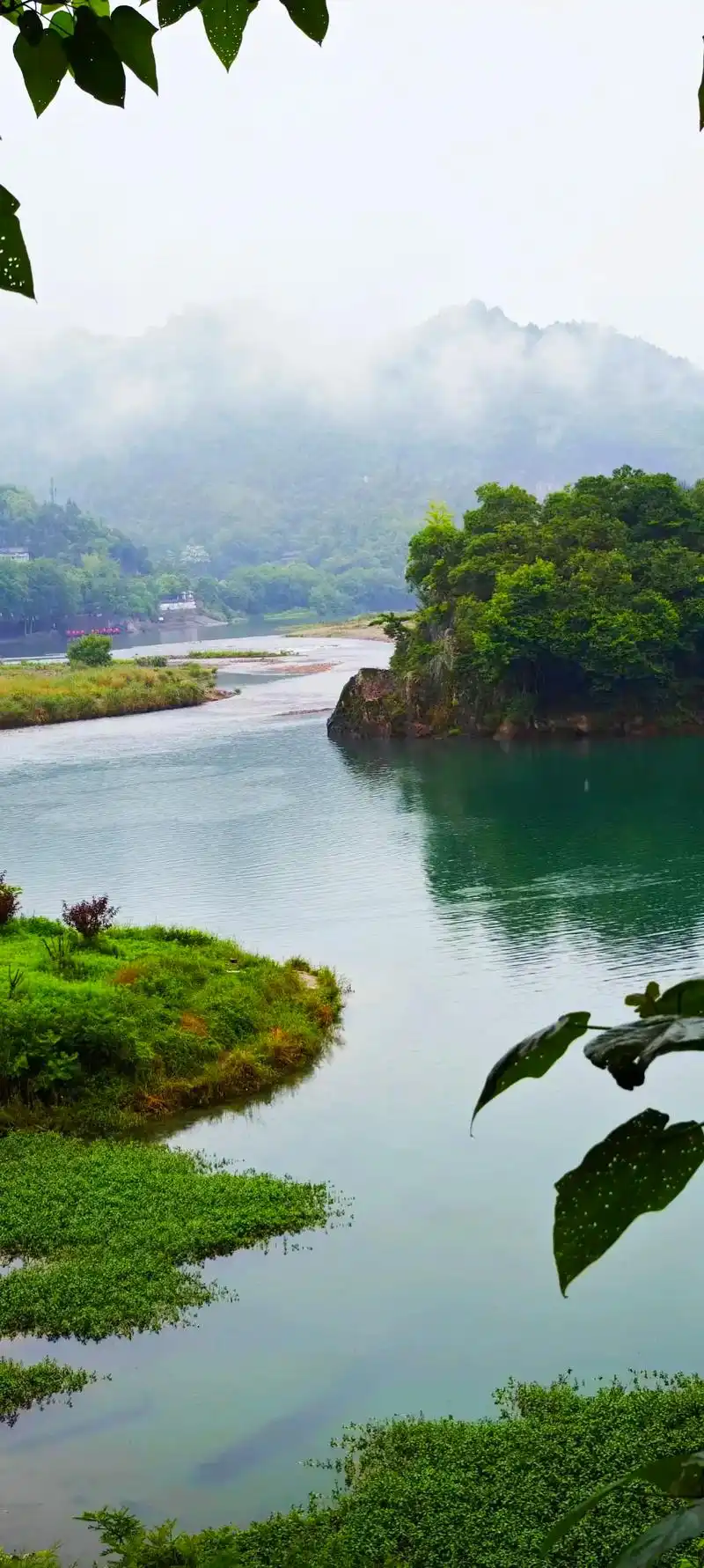 The river carves its course through a tectonic basin sandwiched between the Kuocang and Yandang ranges, sculpting a landscape of dramatic volcanic origin often compared to Saxon Switzerland in Germany or the rugged gorges of the Scottish Highlands. The signature Shiwei Rock thrusts 306 meters skyward from the waters, a stone ship-mast dominating the skyline much like a lone basalt monolith rising from a fjord. Over millions of years, weathering has produced steep gorges, mirror-flat highland lakes, and dozens of waterfalls. Among the most atmospheric is Longwantan's curtain of cascades, fed by mountain springs that keep the air cool even in midsummer.
What distinguishes Nanxi from typical Chinese scenic zones is the survival of entire ancient villages along its banks, built when Europe's medieval cathedrals were still rising. Furong Village, founded during the Tang dynasty, follows a celestial "Seven Stars, Eight Dippers" layout where waterways encode both astronomical and hydraulic knowledge, an echo of the geometric precision found in Renaissance hill towns. Cangpo Village is laid out like a scholar's inkstone, complete with brush, paper, and inkstone streets, a living artifact of Song-era Confucian rural planning. Mountain hamlets such as Linkeng and Daitou preserve timber-frame Ming and Qing houses, ancestral halls, and an unhurried rural rhythm rarely encountered in today's China.
Summer transforms the river into a playground. Bamboo rafts (roughly $12–$18 per person) glide through the legendary Thirty-Six Bends and Seventy-Two Shoals, while pebble beaches invite camping, creek-walking, and stand-up paddleboarding. Taoist Master Tao's Cave maintains a year-round temperature near 18°C, a natural refuge from Zhejiang's humid heat and reminiscent of the cool pilgrimage caves found across Mediterranean Europe. The limestone passages shelter subterranean streams where visitors can wander deep into the hillside.
Access is refreshingly straightforward for an area of this caliber. Self-driving or hiring a car remains the most practical option: roughly three hours from Hangzhou, three and a half from Shanghai, and only forty minutes from Wenzhou city. Most scenic entrances charge little or nothing (¥10–¥20), while headline sites like Shiwei Rock and Longwantan cost between ¥30 and ¥80. Lodging ranges from waterside boutique homestays and heritage courtyard inns to architect-designed retreats clustered around Yantou town, where riverside restaurants serve local specialties such as Wenxiang mandarin fish and Yongjia wheat cakes.
A two-to-three-day stay is ideal, ideally built around the classic trio of bamboo rafting, ancient village walking, and riverside play. Summer weekends draw domestic crowds, so early starts or shoulder days are wise. Pack a light jacket for cool evenings, sunscreen for midday riverbanks, and book the 9 a.m. raft departure to beat the heat. Purchase individual tickets rather than bundled passes, and when photographing villagers, a polite request is both courteous and warmly received in this still-authentic corner of Zhejiang.
The river carves its course through a tectonic basin sandwiched between the Kuocang and Yandang ranges, sculpting a landscape of dramatic volcanic origin often compared to Saxon Switzerland in Germany or the rugged gorges of the Scottish Highlands. The signature Shiwei Rock thrusts 306 meters skyward from the waters, a stone ship-mast dominating the skyline much like a lone basalt monolith rising from a fjord. Over millions of years, weathering has produced steep gorges, mirror-flat highland lakes, and dozens of waterfalls. Among the most atmospheric is Longwantan's curtain of cascades, fed by mountain springs that keep the air cool even in midsummer.
What distinguishes Nanxi from typical Chinese scenic zones is the survival of entire ancient villages along its banks, built when Europe's medieval cathedrals were still rising. Furong Village, founded during the Tang dynasty, follows a celestial "Seven Stars, Eight Dippers" layout where waterways encode both astronomical and hydraulic knowledge, an echo of the geometric precision found in Renaissance hill towns. Cangpo Village is laid out like a scholar's inkstone, complete with brush, paper, and inkstone streets, a living artifact of Song-era Confucian rural planning. Mountain hamlets such as Linkeng and Daitou preserve timber-frame Ming and Qing houses, ancestral halls, and an unhurried rural rhythm rarely encountered in today's China.
Summer transforms the river into a playground. Bamboo rafts (roughly $12–$18 per person) glide through the legendary Thirty-Six Bends and Seventy-Two Shoals, while pebble beaches invite camping, creek-walking, and stand-up paddleboarding. Taoist Master Tao's Cave maintains a year-round temperature near 18°C, a natural refuge from Zhejiang's humid heat and reminiscent of the cool pilgrimage caves found across Mediterranean Europe. The limestone passages shelter subterranean streams where visitors can wander deep into the hillside.
Access is refreshingly straightforward for an area of this caliber. Self-driving or hiring a car remains the most practical option: roughly three hours from Hangzhou, three and a half from Shanghai, and only forty minutes from Wenzhou city. Most scenic entrances charge little or nothing (¥10–¥20), while headline sites like Shiwei Rock and Longwantan cost between ¥30 and ¥80. Lodging ranges from waterside boutique homestays and heritage courtyard inns to architect-designed retreats clustered around Yantou town, where riverside restaurants serve local specialties such as Wenxiang mandarin fish and Yongjia wheat cakes.
A two-to-three-day stay is ideal, ideally built around the classic trio of bamboo rafting, ancient village walking, and riverside play. Summer weekends draw domestic crowds, so early starts or shoulder days are wise. Pack a light jacket for cool evenings, sunscreen for midday riverbanks, and book the 9 a.m. raft departure to beat the heat. Purchase individual tickets rather than bundled passes, and when photographing villagers, a polite request is both courteous and warmly received in this still-authentic corner of Zhejiang.