Yingde Black Tea Museum
⭐ 3.80
No. 1, Yinghong Road, Yinghong Town, Yingde City, Qingyuan, Guangdong Province, China
 The Yingde region has cultivated tea for centuries, but it was during the 1950s that it rose to prominence as a key tea-producing area of southern China. State-run farms such as Red Star and Yinghong were established during the same decade that post-war reconstruction reshaped Europe, drawing returning overseas Chinese and idealistic young people from urban centers to carve vast tea plantations out of the northern Guangdong hillsides. Their collective labor produced "Yingde No. 9," a celebrated black tea varietal that gained international acclaim—much as Darjeeling became synonymous with Indian tea during the British colonial era.
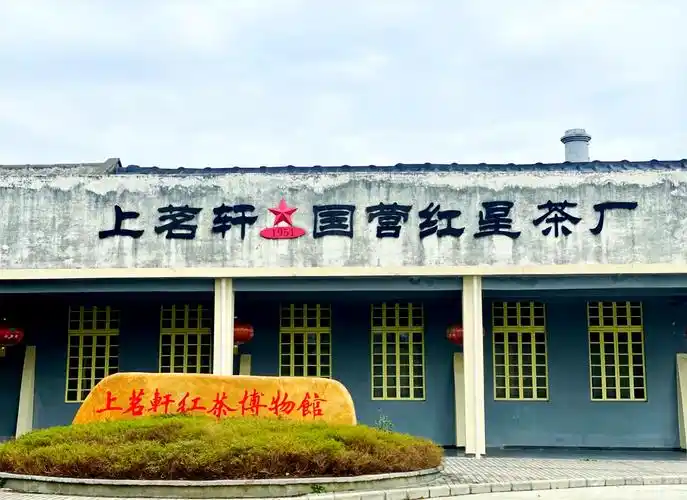
The Shangmingxuan Black Tea Museum occupies a striking example of 1950s Sino-Soviet industrial architecture. Its sawtooth rooflines and thick brick walls recall the utilitarian grandeur of Eastern European factories of the same period, such as those found in former East German industrial districts. Spanning roughly 4,000 square meters, the building houses nine themed halls covering tea history, world tea culture, and hands-on processing demonstrations. The adjacent Yinghong Museum, set within the former headquarters of the Overseas Chinese Tea Farm, offers a more intimate 1,100-square-meter exhibition space where period reconstructions and original artifacts evoke the spirit of a bygone era.
Culturally, Yingde black tea—often called the "Eastern Golden Beauty"—stands as one of China's most distinguished red teas, comparable in reputation to Sri Lankan Ceylon or Kenyan tea. The museums weave together scientific knowledge of cultivation and processing with deeply human stories of migration, youthful idealism, and industrial transformation. Visitors gain insight not only into tea craftsmanship but also into twentieth-century Chinese social history, making the site especially meaningful for families, students, and tea enthusiasts tracing the global journeys of this beloved beverage.
Both venues sit in Yinghong Town within Yingde City and are easily combined into a single day trip. Driving offers the greatest flexibility; alternatively, take a high-speed train to Yingde West Station, followed by a roughly twenty-minute taxi ride. Opening hours typically run from 08:00 to 18:00, with free general admission, though certain tea-processing workshops charge a separate fee. Foreign visitors are encouraged to call ahead and may arrange English-language guided tours with advance notice.
Those with ample time should visit both museums in sequence. Begin at Shangmingxuan in the morning, immersing yourself in the full production cycle—from plucking and rolling to oxidation and drying—then sample black teas from around the world in the international tea hall. After lunch, cross to the Yinghong Museum to explore the poignant narratives of returning overseas Chinese and sent-down youth who shaped these tea lands. On clear days, a stroll through the surrounding plantations rewards visitors with sweeping views that connect the indoor exhibits to the living landscape beyond.
The Yingde region has cultivated tea for centuries, but it was during the 1950s that it rose to prominence as a key tea-producing area of southern China. State-run farms such as Red Star and Yinghong were established during the same decade that post-war reconstruction reshaped Europe, drawing returning overseas Chinese and idealistic young people from urban centers to carve vast tea plantations out of the northern Guangdong hillsides. Their collective labor produced "Yingde No. 9," a celebrated black tea varietal that gained international acclaim—much as Darjeeling became synonymous with Indian tea during the British colonial era.
The Shangmingxuan Black Tea Museum occupies a striking example of 1950s Sino-Soviet industrial architecture. Its sawtooth rooflines and thick brick walls recall the utilitarian grandeur of Eastern European factories of the same period, such as those found in former East German industrial districts. Spanning roughly 4,000 square meters, the building houses nine themed halls covering tea history, world tea culture, and hands-on processing demonstrations. The adjacent Yinghong Museum, set within the former headquarters of the Overseas Chinese Tea Farm, offers a more intimate 1,100-square-meter exhibition space where period reconstructions and original artifacts evoke the spirit of a bygone era.
Culturally, Yingde black tea—often called the "Eastern Golden Beauty"—stands as one of China's most distinguished red teas, comparable in reputation to Sri Lankan Ceylon or Kenyan tea. The museums weave together scientific knowledge of cultivation and processing with deeply human stories of migration, youthful idealism, and industrial transformation. Visitors gain insight not only into tea craftsmanship but also into twentieth-century Chinese social history, making the site especially meaningful for families, students, and tea enthusiasts tracing the global journeys of this beloved beverage.
Both venues sit in Yinghong Town within Yingde City and are easily combined into a single day trip. Driving offers the greatest flexibility; alternatively, take a high-speed train to Yingde West Station, followed by a roughly twenty-minute taxi ride. Opening hours typically run from 08:00 to 18:00, with free general admission, though certain tea-processing workshops charge a separate fee. Foreign visitors are encouraged to call ahead and may arrange English-language guided tours with advance notice.
Those with ample time should visit both museums in sequence. Begin at Shangmingxuan in the morning, immersing yourself in the full production cycle—from plucking and rolling to oxidation and drying—then sample black teas from around the world in the international tea hall. After lunch, cross to the Yinghong Museum to explore the poignant narratives of returning overseas Chinese and sent-down youth who shaped these tea lands. On clear days, a stroll through the surrounding plantations rewards visitors with sweeping views that connect the indoor exhibits to the living landscape beyond.