Dongchong Wetland Park
⭐ 3.80
Xili Lake, Dongchong Wetland Park, Nanshan District, Shenzhen City, Guangdong Province, China
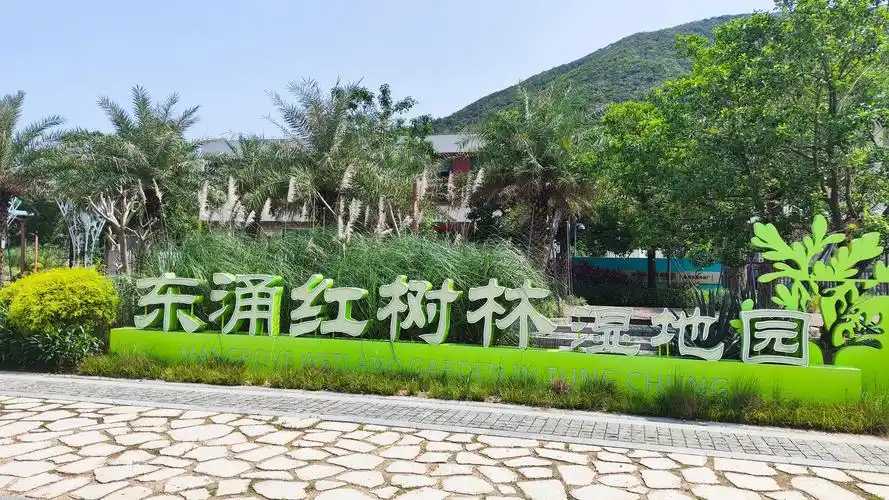 Opened in 2023 after a three-year construction, Dongchong Mangrove Wetland Park represents one of Shenzhen's most ambitious municipal ecological projects. Like the Netherlands' famed wetland restoration efforts at the Oostvaardersplassen, it demonstrates how former salt-production tidal basins—known locally as jiwei—can be rehabilitated into biodiverse habitats. The park's integration of ecological restoration with environmental education reflects a philosophy reminiscent of the Camargue Regional Nature Park in southern France, where human stewardship and natural ecosystems coexist in carefully managed balance.
The park's centerpiece is an elegant S-shaped sky-blue aerial walkway, elevated above the water to allow visitors to glide through the canopy without disturbing the delicate ecosystem below. Reminiscent of contemporary eco-architecture found in Scandinavia's forest boardwalks, this serpentine bridge creates what locals poetically call a "sky mirror," where water and sky merge into a seamless reflective surface. The layout divides into five functional zones—core protection, buffer, visitor experience, forest experience, and administrative areas—demonstrating thoughtful modern wetland park planning that prioritizes both conservation and public engagement.
The botanical heart of the park lies in its sea mangrove (Excoecaria) community, the largest in Shenzhen, flourishing alongside Kandelia and Avicennia species that form a complete mangrove forest ecosystem. Each May and June, these trees undergo a spectacular color transformation, their leaves shifting from verdant green to deep crimson—a phenomenon unique to the Dapeng Peninsula. This seasonal metamorphosis parallels the autumn red tides that transform New England's salt marshes, though here the palette belongs to subtropical coastal China. The tidal flats teem with fiddler crabs waving their oversized claws and mudskippers leaping across the mud, while winter brings waves of migratory birds seeking refuge from northern climates.
Practical visiting information is essential for an enjoyable experience. The park operates daily with free admission and no reservation required; visitors driving should navigate to "Dongchong Mangrove Wetland Park" but arrive early as parking is limited, especially on weekends. There are no restaurants, shade structures, or drinking water facilities on-site, so travelers must bring their own supplies: water, mosquito repellent, sun hats, and ideally binoculars or telephoto lenses for wildlife observation. Early morning and late afternoon offer the best lighting conditions and peak bird activity, when photographers can capture both wildlife behavior and the magical golden-hour reflections on the water.
Plan to spend 1.5 to 2 hours on a gentle walking circuit from the entrance, along the wetland boardwalk, across the aerial bridge, and around the birdwatching pavilions before returning the same route. Visitors must observe the park's "look but don't disturb" principle—crossing barriers into core protection zones or feeding wildlife is strictly prohibited. For those with extra energy and stamina, the park connects beautifully to nearby Dongchong Beach or the legendary East-West Chong coastal trail, one of China's most celebrated seaside hikes, allowing adventurers to craft a full "wetland plus coastline" day exploring the diverse山海 (mountain-and-sea) ecology of the Dapeng Peninsula.
Opened in 2023 after a three-year construction, Dongchong Mangrove Wetland Park represents one of Shenzhen's most ambitious municipal ecological projects. Like the Netherlands' famed wetland restoration efforts at the Oostvaardersplassen, it demonstrates how former salt-production tidal basins—known locally as jiwei—can be rehabilitated into biodiverse habitats. The park's integration of ecological restoration with environmental education reflects a philosophy reminiscent of the Camargue Regional Nature Park in southern France, where human stewardship and natural ecosystems coexist in carefully managed balance.
The park's centerpiece is an elegant S-shaped sky-blue aerial walkway, elevated above the water to allow visitors to glide through the canopy without disturbing the delicate ecosystem below. Reminiscent of contemporary eco-architecture found in Scandinavia's forest boardwalks, this serpentine bridge creates what locals poetically call a "sky mirror," where water and sky merge into a seamless reflective surface. The layout divides into five functional zones—core protection, buffer, visitor experience, forest experience, and administrative areas—demonstrating thoughtful modern wetland park planning that prioritizes both conservation and public engagement.
The botanical heart of the park lies in its sea mangrove (Excoecaria) community, the largest in Shenzhen, flourishing alongside Kandelia and Avicennia species that form a complete mangrove forest ecosystem. Each May and June, these trees undergo a spectacular color transformation, their leaves shifting from verdant green to deep crimson—a phenomenon unique to the Dapeng Peninsula. This seasonal metamorphosis parallels the autumn red tides that transform New England's salt marshes, though here the palette belongs to subtropical coastal China. The tidal flats teem with fiddler crabs waving their oversized claws and mudskippers leaping across the mud, while winter brings waves of migratory birds seeking refuge from northern climates.
Practical visiting information is essential for an enjoyable experience. The park operates daily with free admission and no reservation required; visitors driving should navigate to "Dongchong Mangrove Wetland Park" but arrive early as parking is limited, especially on weekends. There are no restaurants, shade structures, or drinking water facilities on-site, so travelers must bring their own supplies: water, mosquito repellent, sun hats, and ideally binoculars or telephoto lenses for wildlife observation. Early morning and late afternoon offer the best lighting conditions and peak bird activity, when photographers can capture both wildlife behavior and the magical golden-hour reflections on the water.
Plan to spend 1.5 to 2 hours on a gentle walking circuit from the entrance, along the wetland boardwalk, across the aerial bridge, and around the birdwatching pavilions before returning the same route. Visitors must observe the park's "look but don't disturb" principle—crossing barriers into core protection zones or feeding wildlife is strictly prohibited. For those with extra energy and stamina, the park connects beautifully to nearby Dongchong Beach or the legendary East-West Chong coastal trail, one of China's most celebrated seaside hikes, allowing adventurers to craft a full "wetland plus coastline" day exploring the diverse山海 (mountain-and-sea) ecology of the Dapeng Peninsula.