Shenzhen Bay Park
⭐ 4.60
Shenzhen Bay Park, Nanshan District, Shenzhen City, Guangdong Province, China
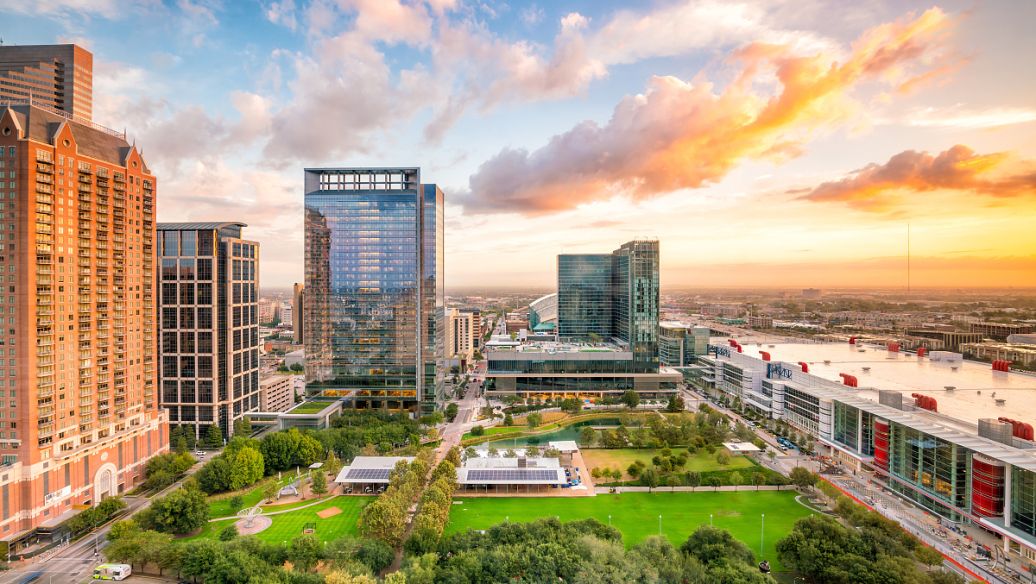 Shenzhen Bay Park unfurls for roughly 13 kilometers along the northern shore of Shenzhen Bay, a 128-hectare ribbon of reclaimed coastal land linking the Futian Mangrove Nature Reserve in the east to the Hong Kong–Shenzhen cross-sea bridge in the west. Think of it as Barcelona's Barceloneta waterfront reimagined for a 21st-century megacity, or New York's Hudson River Park on a grander scale. Divided into the Mangrove Seaside Eco-Park and the broader Bay Leisure Belt, it welcomes visitors free of charge from 6 a.m. to 11 p.m. daily throughout the year.
Ecologically, the eastern mangroves rank among Asia's most important wetland refuges. They sit on the East Asian–Australasian Flyway, one of the planet's nine major migration corridors, where tens of thousands of egrets, cormorants, and pied avocets winter between October and May. Early mornings on the North Bay Egret Boardwalk reward patient observers with close encounters; at low tide, families can wade the flats gathering shells. The mangroves function much like Venice's lagoon wetlands, filtering pollutants while sheltering juvenile fish and crabs.
The design layers fourteen themed districts along the corridor, each offering a distinct experience. The Egret Slope Book Bar pairs floor-to-ceiling windows with the bay's horizon—inviting the contemplative reading once associated with Tuscan monastery libraries—while the Sunrise Outdoor Amphitheatre nestles into a curved hillside for sea-gazing performances. The white-chapel Wedding Square draws couples much as Santorini's blue-domed churches draw honeymooners, and Liuhua Mountain cycles through seasonal blooms reminiscent of Keukenhof's tulip displays.
At sunset, the bay earns its nickname: locals speak of the "Orange Sea," or jüzi hai, when the descending sun ignites the water in deep amber while the towers of Hong Kong's Kowloon peninsula glow pink across the strait. Photographers describe the composition as "half sea, half city"—a visual echo of Istanbul's Bosphorus meeting its skyline, or Rio de Janeiro framed between Sugarloaf and the Atlantic. For many visitors, this hour captures the poetry of contemporary Shenzhen: a brand-new metropolis still intimately bound to the rhythms of tide and migration.
Practical access is straightforward. Take Metro Line 9 to Shenzhen Bay Park Station and exit through D2; you'll emerge directly on the seafront promenade. Drivers must reserve parking in advance via the WeChat mini-programs "Beautiful Shenzhen" or "Shenzhen i-Park," particularly on weekends. A continuous greenway runs the full length for cycling and jogging, though bicycles are restricted during certain holiday peak hours. Sports courts, picnic lawns at Crescent Mountain Valley, and kite-flying meadows accommodate everything from family outings to quiet solo retreats.
Visiting strategies vary by interest. Arrive after 4 p.m. on weekdays for the smallest crowds and softest light; birders should target autumn and winter dawns; sunset chasers should claim a western-facing spot an hour beforehand. Summer demands sun protection and insect repellent, and open fires are prohibited throughout. With its combination of metropolitan skyline, mangrove wilderness, and reliably dramatic sunsets, Shenzhen Bay Park offers something rarer than any single attraction: a window onto how a city of 18 million still keeps one foot in the tidal zone.
Shenzhen Bay Park unfurls for roughly 13 kilometers along the northern shore of Shenzhen Bay, a 128-hectare ribbon of reclaimed coastal land linking the Futian Mangrove Nature Reserve in the east to the Hong Kong–Shenzhen cross-sea bridge in the west. Think of it as Barcelona's Barceloneta waterfront reimagined for a 21st-century megacity, or New York's Hudson River Park on a grander scale. Divided into the Mangrove Seaside Eco-Park and the broader Bay Leisure Belt, it welcomes visitors free of charge from 6 a.m. to 11 p.m. daily throughout the year.
Ecologically, the eastern mangroves rank among Asia's most important wetland refuges. They sit on the East Asian–Australasian Flyway, one of the planet's nine major migration corridors, where tens of thousands of egrets, cormorants, and pied avocets winter between October and May. Early mornings on the North Bay Egret Boardwalk reward patient observers with close encounters; at low tide, families can wade the flats gathering shells. The mangroves function much like Venice's lagoon wetlands, filtering pollutants while sheltering juvenile fish and crabs.
The design layers fourteen themed districts along the corridor, each offering a distinct experience. The Egret Slope Book Bar pairs floor-to-ceiling windows with the bay's horizon—inviting the contemplative reading once associated with Tuscan monastery libraries—while the Sunrise Outdoor Amphitheatre nestles into a curved hillside for sea-gazing performances. The white-chapel Wedding Square draws couples much as Santorini's blue-domed churches draw honeymooners, and Liuhua Mountain cycles through seasonal blooms reminiscent of Keukenhof's tulip displays.
At sunset, the bay earns its nickname: locals speak of the "Orange Sea," or jüzi hai, when the descending sun ignites the water in deep amber while the towers of Hong Kong's Kowloon peninsula glow pink across the strait. Photographers describe the composition as "half sea, half city"—a visual echo of Istanbul's Bosphorus meeting its skyline, or Rio de Janeiro framed between Sugarloaf and the Atlantic. For many visitors, this hour captures the poetry of contemporary Shenzhen: a brand-new metropolis still intimately bound to the rhythms of tide and migration.
Practical access is straightforward. Take Metro Line 9 to Shenzhen Bay Park Station and exit through D2; you'll emerge directly on the seafront promenade. Drivers must reserve parking in advance via the WeChat mini-programs "Beautiful Shenzhen" or "Shenzhen i-Park," particularly on weekends. A continuous greenway runs the full length for cycling and jogging, though bicycles are restricted during certain holiday peak hours. Sports courts, picnic lawns at Crescent Mountain Valley, and kite-flying meadows accommodate everything from family outings to quiet solo retreats.
Visiting strategies vary by interest. Arrive after 4 p.m. on weekdays for the smallest crowds and softest light; birders should target autumn and winter dawns; sunset chasers should claim a western-facing spot an hour beforehand. Summer demands sun protection and insect repellent, and open fires are prohibited throughout. With its combination of metropolitan skyline, mangrove wilderness, and reliably dramatic sunsets, Shenzhen Bay Park offers something rarer than any single attraction: a window onto how a city of 18 million still keeps one foot in the tidal zone.