Zibo Ceramics and Glass Art Museum
⭐ 4.60
Northwest side of Renmin Road and Liuquan Road intersection, Zhangdian District, Zibo, Shandong Province, China
 Set in Shandong Province, Zibo is widely regarded as one of northern China's most important cradles of ceramic production, with a pottery tradition stretching back over 10,000 years—rivaling in antiquity the earliest ceramic cultures of Mesopotamia. The museum's collections trace this remarkable continuity, from delicate Neolithic eggshell black pottery (so thin it's been compared to fine porcelain from later dynasties) through the Warring States period, when glassmaking first flourished along the Silk Road. By the Northern Dynasties, Zibo kilns were producing celadon wares that prefigure the famed Yue and Longquan traditions, making this collection essential for understanding the pre-Song evolution of Chinese ceramics.
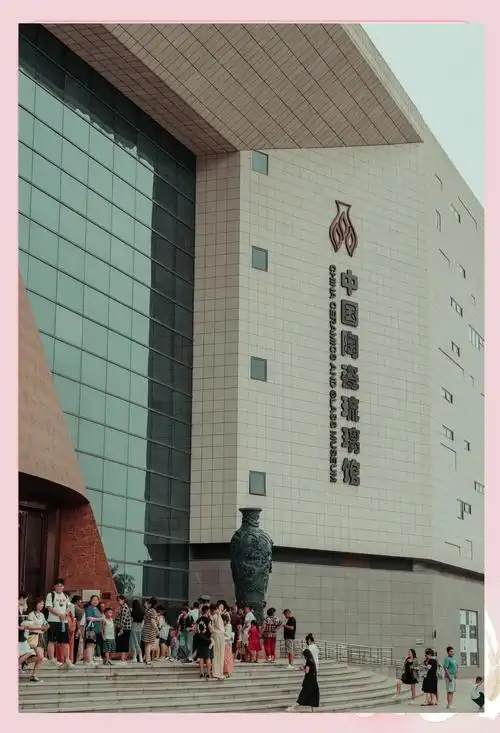
The museum itself occupies 20,000 square meters across five above-ground floors and a basement, with 25 thoughtfully arranged exhibition halls. Its modern architecture cleverly incorporates glass and ceramic motifs throughout the façade and interiors, echoing the crafts it celebrates—somewhat reminiscent of how Barcelona's Museu Picasso integrates Catalan artistic identity into its building design. Each artifact enjoys its own dedicated display space, with carefully calibrated lighting that allows visitors to appreciate subtle craftsmanship details from close range.
Cultural treasures abound: the Five-Colors Hall showcases breathtaking Warring States blue glass beads, considered a national treasure; the Ancient Ceramics Hall houses a Northern Dynasties celadon lotus vase (also a national-grade relic); and the National Essence Hall displays luminous "chicken-oil yellow" glass chime bells. Contemporary exhibits delight too—a glass sculpture of Zibo's famous barbecue skewers and "Twelve Flower Gods" figurines from the Spring Festival Gala demonstrate how ancient techniques remain vibrantly alive today.
The museum breaks from dusty tradition with hands-on experiences: daily glass-blowing performances let visitors watch master artisans shape molten material, while DIY bracelet-making and pottery wheel sessions start from just ¥39. A VR theater offers a mythological "Nüwa Mends the Sky" immersive experience, and nine stamp-collecting stations reward visitors with creative souvenirs. Free guided tours are offered in multiple languages, including English.
Practical visiting details: entry is free, but advance reservation is required via the Alipay mini-program or the museum's official WeChat account (foreign visitors can use passports). Opening hours run Tuesday through Friday 9:00–17:00, with extended evening hours on Saturday and Sunday until 21:00 (last entry 20:30); the museum closes Mondays. Take bus 136 or 160 to "Cultural Center West" stop. Insiders recommend starting on the 4th or 5th floor and working downward—a 2–3 hour journey through 10,000 years of fire and artistry. Wear comfortable shoes and light-colored clothing for photographs; flash photography and tripods are prohibited, as is touching the artifacts. Visit on weekday afternoons for smaller crowds, and consider combining your trip with a performance at the neighboring Zibo Grand Theatre.
Set in Shandong Province, Zibo is widely regarded as one of northern China's most important cradles of ceramic production, with a pottery tradition stretching back over 10,000 years—rivaling in antiquity the earliest ceramic cultures of Mesopotamia. The museum's collections trace this remarkable continuity, from delicate Neolithic eggshell black pottery (so thin it's been compared to fine porcelain from later dynasties) through the Warring States period, when glassmaking first flourished along the Silk Road. By the Northern Dynasties, Zibo kilns were producing celadon wares that prefigure the famed Yue and Longquan traditions, making this collection essential for understanding the pre-Song evolution of Chinese ceramics.
The museum itself occupies 20,000 square meters across five above-ground floors and a basement, with 25 thoughtfully arranged exhibition halls. Its modern architecture cleverly incorporates glass and ceramic motifs throughout the façade and interiors, echoing the crafts it celebrates—somewhat reminiscent of how Barcelona's Museu Picasso integrates Catalan artistic identity into its building design. Each artifact enjoys its own dedicated display space, with carefully calibrated lighting that allows visitors to appreciate subtle craftsmanship details from close range.
Cultural treasures abound: the Five-Colors Hall showcases breathtaking Warring States blue glass beads, considered a national treasure; the Ancient Ceramics Hall houses a Northern Dynasties celadon lotus vase (also a national-grade relic); and the National Essence Hall displays luminous "chicken-oil yellow" glass chime bells. Contemporary exhibits delight too—a glass sculpture of Zibo's famous barbecue skewers and "Twelve Flower Gods" figurines from the Spring Festival Gala demonstrate how ancient techniques remain vibrantly alive today.
The museum breaks from dusty tradition with hands-on experiences: daily glass-blowing performances let visitors watch master artisans shape molten material, while DIY bracelet-making and pottery wheel sessions start from just ¥39. A VR theater offers a mythological "Nüwa Mends the Sky" immersive experience, and nine stamp-collecting stations reward visitors with creative souvenirs. Free guided tours are offered in multiple languages, including English.
Practical visiting details: entry is free, but advance reservation is required via the Alipay mini-program or the museum's official WeChat account (foreign visitors can use passports). Opening hours run Tuesday through Friday 9:00–17:00, with extended evening hours on Saturday and Sunday until 21:00 (last entry 20:30); the museum closes Mondays. Take bus 136 or 160 to "Cultural Center West" stop. Insiders recommend starting on the 4th or 5th floor and working downward—a 2–3 hour journey through 10,000 years of fire and artistry. Wear comfortable shoes and light-colored clothing for photographs; flash photography and tripods are prohibited, as is touching the artifacts. Visit on weekday afternoons for smaller crowds, and consider combining your trip with a performance at the neighboring Zibo Grand Theatre.