Boshan Ancient Villages
⭐ 4.20
Yatou Village, Yuanquan Town, Boshan District, Zibo City, Shandong Province, China
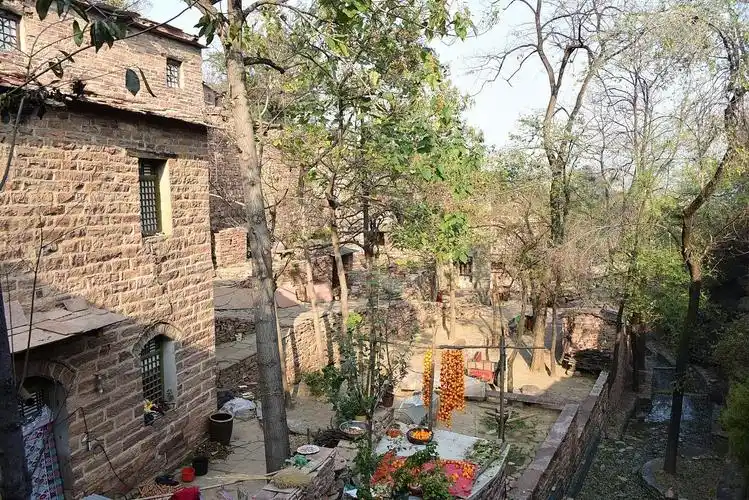 The Boshan villages carry more than four centuries of history, with roots reaching back to the construction of the Qi Great Wall, a defensive fortification predating China's more famous Great Wall by several centuries. At its zenith during the Ming and Qing dynasties, the area thrived as a commercial crossroads, leaving behind a remarkable collection of stone dwellings, arched bridges, ancient wells, and a centuries-old Guandi Temple still burning with incense. Xixiang Village, crowned Shandong's most beautiful ancient village, retains an extraordinary 47 original bluestone houses, offering visitors an exceptionally rare window into traditional settlement patterns of central Shandong.
The architectural signature here is the remarkable "ganqi" dry-stone technique, where walls are stacked without a single drop of mortar, much like the dry-stone traditions found in the terraced landscapes of Provence or the field walls of the British Isles. This labor-intensive craft demands extraordinary precision, yet the results have withstood four centuries of typhoons, earthquakes, and monsoon rains. Whitewashed walls and gray tile roofs cascade down the hillsides in perfect harmony with the surrounding terrain, echoing the visual rhythm of hill towns across Tuscany or Andalusia.
Beyond architecture, Boshan carries deep cultural weight as the legendary home of Chinese glass-making and a cradle of Lu cuisine, one of China's eight great culinary traditions. Visitors can try their hand at glassblowing inside the Hongye Shiyan scenic area, explore Song dynasty kiln sites along Badou Old Street, or participate in traditional pottery workshops. The local kitchen produces legendary dishes such as the Boshan crisp-pot stew, tofu boxes stuffed with savory fillings, and crisp-fried pork that draw food pilgrims from across the country.
Practical logistics require a bit of planning: most villages lack public transit and are best reached by private car or hired driver, with the core cluster roughly two to three hours by road from Jinan. Mobile signals in the mountains can be patchy, so downloading offline maps in advance is strongly recommended. Drones are prohibited near cultural relic zones, including Qi Great Wall sites, and visitors should always ask permission before photographing local residents. Peak season crowding during summer holidays and the autumn red-leaf period makes shoulder visits particularly rewarding.
A well-paced two-day itinerary might pair Xixiang Village in the quiet morning light with an afternoon and illuminated night at Hongye Shiyan, or combine the atmospheric lanes of Badou Old Street with a peaceful afternoon in the secluded hamlets of Huanglianyu and Letuan. With boutique homestays tucked into stone courtyards, forested valleys exceeding 95% tree coverage, and starlit mountain evenings, Boshan offers the kind of unhurried authenticity that has become increasingly precious in modern China.
[BRIEF]
Tucked into the rolling hills of central Shandong Province, the Boshan Ancient Village Cluster offers a refreshing escape into rural China far from the usual tourist circuits. Centered around dry-stone cottages, Ming and Qing dynasty lanes, and relics of the ancient Qi Great Wall, this network of villages combines unspoiled mountain scenery with a surprisingly polished tourism infrastructure. Featured hamlets like Xixiang, Hongye Shiyan, and Badou Old Street deliver photogenic stone architecture, immersive night tours, and the rich flavors of Lu cuisine. With summer temperatures hovering between 22–25°C, it is an ideal destination for slow travel, photography, and culinary exploration.
[DETAILED]
The Boshan villages carry more than four centuries of history, with roots reaching back to the construction of the Qi Great Wall, a defensive fortification predating China's more famous Great Wall by several centuries. At its zenith during the Ming and Qing dynasties, the area thrived as a commercial crossroads, leaving behind a remarkable collection of stone dwellings, arched bridges, ancient wells, and a centuries-old Guandi Temple still burning with incense. Xixiang Village, crowned Shandong's most beautiful ancient village, retains an extraordinary 47 original bluestone houses, offering visitors an exceptionally rare window into traditional settlement patterns of central Shandong.
The architectural signature here is the remarkable "ganqi" dry-stone technique, where walls are stacked without a single drop of mortar, much like the dry-stone traditions found in the terraced landscapes of Provence or the field walls of the British Isles. This labor-intensive craft demands extraordinary precision, yet the results have withstood four centuries of typhoons, earthquakes, and monsoon rains. Whitewashed walls and gray tile roofs cascade down the hillsides in perfect harmony with the surrounding terrain, echoing the visual rhythm of hill towns across Tuscany or Andalusia.
Beyond architecture, Boshan carries deep cultural weight as the legendary home of Chinese glass-making and a cradle of Lu cuisine, one of China's eight great culinary traditions. Visitors can try their hand at glassblowing inside the Hongye Shiyan scenic area, explore Song dynasty kiln sites along Badou Old Street, or participate in traditional pottery workshops. The local kitchen produces legendary dishes such as the Boshan crisp-pot stew, tofu boxes stuffed with savory fillings, and crisp-fried pork that draw food pilgrims from across the country.
Practical logistics require a bit of planning: most villages lack public transit and are best reached by private car or hired driver, with the core cluster roughly two to three hours by road from Jinan. Mobile signals in the mountains can be patchy, so downloading offline maps in advance is strongly recommended. Drones are prohibited near cultural relic zones, including Qi Great Wall sites, and visitors should always ask permission before photographing local residents. Peak season crowding during summer holidays and the autumn red-leaf period makes shoulder visits particularly rewarding.
A well-paced two-day itinerary might pair Xixiang Village in the quiet morning light with an afternoon and illuminated night at Hongye Shiyan, or combine the atmospheric lanes of Badou Old Street with a peaceful afternoon in the secluded hamlets of Huanglianyu and Letuan. With boutique homestays tucked into stone courtyards, forested valleys exceeding 95% tree coverage, and starlit mountain evenings, Boshan offers the kind of unhurried authenticity that has become increasingly precious in modern China.
The Boshan villages carry more than four centuries of history, with roots reaching back to the construction of the Qi Great Wall, a defensive fortification predating China's more famous Great Wall by several centuries. At its zenith during the Ming and Qing dynasties, the area thrived as a commercial crossroads, leaving behind a remarkable collection of stone dwellings, arched bridges, ancient wells, and a centuries-old Guandi Temple still burning with incense. Xixiang Village, crowned Shandong's most beautiful ancient village, retains an extraordinary 47 original bluestone houses, offering visitors an exceptionally rare window into traditional settlement patterns of central Shandong.
The architectural signature here is the remarkable "ganqi" dry-stone technique, where walls are stacked without a single drop of mortar, much like the dry-stone traditions found in the terraced landscapes of Provence or the field walls of the British Isles. This labor-intensive craft demands extraordinary precision, yet the results have withstood four centuries of typhoons, earthquakes, and monsoon rains. Whitewashed walls and gray tile roofs cascade down the hillsides in perfect harmony with the surrounding terrain, echoing the visual rhythm of hill towns across Tuscany or Andalusia.
Beyond architecture, Boshan carries deep cultural weight as the legendary home of Chinese glass-making and a cradle of Lu cuisine, one of China's eight great culinary traditions. Visitors can try their hand at glassblowing inside the Hongye Shiyan scenic area, explore Song dynasty kiln sites along Badou Old Street, or participate in traditional pottery workshops. The local kitchen produces legendary dishes such as the Boshan crisp-pot stew, tofu boxes stuffed with savory fillings, and crisp-fried pork that draw food pilgrims from across the country.
Practical logistics require a bit of planning: most villages lack public transit and are best reached by private car or hired driver, with the core cluster roughly two to three hours by road from Jinan. Mobile signals in the mountains can be patchy, so downloading offline maps in advance is strongly recommended. Drones are prohibited near cultural relic zones, including Qi Great Wall sites, and visitors should always ask permission before photographing local residents. Peak season crowding during summer holidays and the autumn red-leaf period makes shoulder visits particularly rewarding.
A well-paced two-day itinerary might pair Xixiang Village in the quiet morning light with an afternoon and illuminated night at Hongye Shiyan, or combine the atmospheric lanes of Badou Old Street with a peaceful afternoon in the secluded hamlets of Huanglianyu and Letuan. With boutique homestays tucked into stone courtyards, forested valleys exceeding 95% tree coverage, and starlit mountain evenings, Boshan offers the kind of unhurried authenticity that has become increasingly precious in modern China.
[BRIEF]
Tucked into the rolling hills of central Shandong Province, the Boshan Ancient Village Cluster offers a refreshing escape into rural China far from the usual tourist circuits. Centered around dry-stone cottages, Ming and Qing dynasty lanes, and relics of the ancient Qi Great Wall, this network of villages combines unspoiled mountain scenery with a surprisingly polished tourism infrastructure. Featured hamlets like Xixiang, Hongye Shiyan, and Badou Old Street deliver photogenic stone architecture, immersive night tours, and the rich flavors of Lu cuisine. With summer temperatures hovering between 22–25°C, it is an ideal destination for slow travel, photography, and culinary exploration.
[DETAILED]
The Boshan villages carry more than four centuries of history, with roots reaching back to the construction of the Qi Great Wall, a defensive fortification predating China's more famous Great Wall by several centuries. At its zenith during the Ming and Qing dynasties, the area thrived as a commercial crossroads, leaving behind a remarkable collection of stone dwellings, arched bridges, ancient wells, and a centuries-old Guandi Temple still burning with incense. Xixiang Village, crowned Shandong's most beautiful ancient village, retains an extraordinary 47 original bluestone houses, offering visitors an exceptionally rare window into traditional settlement patterns of central Shandong.
The architectural signature here is the remarkable "ganqi" dry-stone technique, where walls are stacked without a single drop of mortar, much like the dry-stone traditions found in the terraced landscapes of Provence or the field walls of the British Isles. This labor-intensive craft demands extraordinary precision, yet the results have withstood four centuries of typhoons, earthquakes, and monsoon rains. Whitewashed walls and gray tile roofs cascade down the hillsides in perfect harmony with the surrounding terrain, echoing the visual rhythm of hill towns across Tuscany or Andalusia.
Beyond architecture, Boshan carries deep cultural weight as the legendary home of Chinese glass-making and a cradle of Lu cuisine, one of China's eight great culinary traditions. Visitors can try their hand at glassblowing inside the Hongye Shiyan scenic area, explore Song dynasty kiln sites along Badou Old Street, or participate in traditional pottery workshops. The local kitchen produces legendary dishes such as the Boshan crisp-pot stew, tofu boxes stuffed with savory fillings, and crisp-fried pork that draw food pilgrims from across the country.
Practical logistics require a bit of planning: most villages lack public transit and are best reached by private car or hired driver, with the core cluster roughly two to three hours by road from Jinan. Mobile signals in the mountains can be patchy, so downloading offline maps in advance is strongly recommended. Drones are prohibited near cultural relic zones, including Qi Great Wall sites, and visitors should always ask permission before photographing local residents. Peak season crowding during summer holidays and the autumn red-leaf period makes shoulder visits particularly rewarding.
A well-paced two-day itinerary might pair Xixiang Village in the quiet morning light with an afternoon and illuminated night at Hongye Shiyan, or combine the atmospheric lanes of Badou Old Street with a peaceful afternoon in the secluded hamlets of Huanglianyu and Letuan. With boutique homestays tucked into stone courtyards, forested valleys exceeding 95% tree coverage, and starlit mountain evenings, Boshan offers the kind of unhurried authenticity that has become increasingly precious in modern China.