Zhoucun Ancient Commercial City
⭐ 4.30
Zhoucun Ancient Commercial City, Zhoucun District, Zibo, Shandong, China
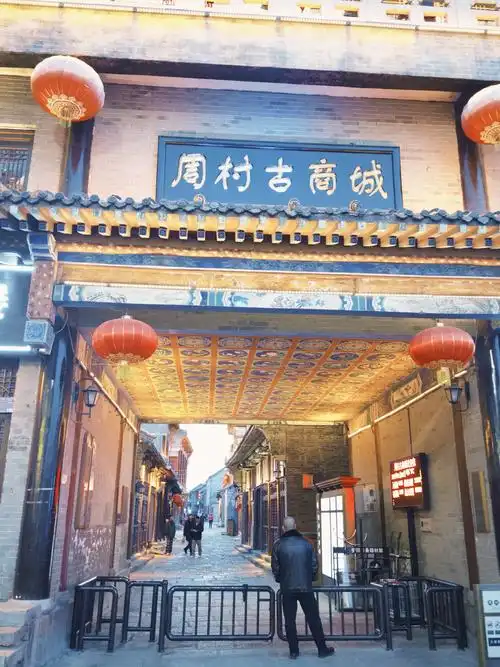 Founded in 1410 under Emperor Yongle—the same Yongle who commissioned Beijing's Forbidden City and dispatched Admiral Zheng He's treasure fleets—Zhoucun flourished as a vital node in China's inland trade network. By the Kangxi and Qianlong reigns (1662–1795), coinciding with Europe's Enlightenment era, it rivaled cities like Augsburg or Leipzig as a regional commercial powerhouse. Because it lay inland, far from navigable rivers, merchants called it a "Dry Port," and shrewd lobbying earned it rare tax-free status. Its commercial reach spread the influential "Lushang" merchant culture across northern China.
The streetscape echoes the layout of a fortified medieval European town, yet the architecture is pure Ming-Qing vernacular. Five connected lanes—Main Street, Silk Street, Silver Street, and others—wind between more than fifty thousand square meters of grey-tiled, whitewashed shop-houses. Carved wooden eaves, weathered signboards, and a remarkable "Three Teachings United" complex merging Buddhist, Confucian, and Taoist halls within the Thousand Buddha and Kuixing Pavilions create an atmosphere reminiscent of Bruges or Carcassonne, but unmistakably Chinese. Unlike many Chinese heritage sites, Zhoucun has resisted heavy restoration—original plaster still peels from walls dating to the 1700s.
Zhoucun is more than a stage set; it remains a working cultural landscape. Century-old silk brands like Ruifuxiang and Qianxiangyi still occupy their original storefronts, their faded placards testifying to Shandong's centuries-old silk trade. The Grand Dye Works lets visitors try their hand at traditional indigo block-printing, while the Sesame Flatbread Museum bakes the crispy, layered non-heritage snack on the spot. Yang Family Mansion hosts traditional magic shows, and the Ancient Money Exchange House explains how Chinese draft banking—the ancestor of modern checks—operated centuries before Western finance caught up. The atmospheric lanes have also doubled as a film set for popular television dramas about merchant life.
Admission is just 50 RMB (around seven US dollars), covering all major indoor exhibitions. Children under six or 1.4 meters tall, and seniors over sixty, enter free. Allow three to five hours for a thorough visit, or a full day if you add lunch. Opening hours run 8:30 to 17:30, extended to 18:30 on weekends and holidays. From Zibo Railway Station, take Bus 4 directly to the North Gate. Drivers should set GPS to "Zhoucun Ancient Commercial City North Gate Parking" and exit at Zhoucun on the Jinan-Qingdao Expressway.
Visit in the morning for soft photographic light and to dodge both midday heat and tour-bus crowds. Wear non-slip shoes—the cobbled lanes turn slick after rain. The flat terrain makes it ideal for families and history buffs. Don't miss the lantern-lit evenings, when the streets glow like a Qing dynasty painting come to life. Street food is excellent and affordable: freshly baked flatbread, hearty cook-pot stews, and spicy Boshan dishes typically cost under five dollars per person. Check the WeChat mini-program for Zhoucun Ancient Commercial City for schedules of folk performances like the opening-market gong ceremony and embroidered-ball bridal rituals.
Founded in 1410 under Emperor Yongle—the same Yongle who commissioned Beijing's Forbidden City and dispatched Admiral Zheng He's treasure fleets—Zhoucun flourished as a vital node in China's inland trade network. By the Kangxi and Qianlong reigns (1662–1795), coinciding with Europe's Enlightenment era, it rivaled cities like Augsburg or Leipzig as a regional commercial powerhouse. Because it lay inland, far from navigable rivers, merchants called it a "Dry Port," and shrewd lobbying earned it rare tax-free status. Its commercial reach spread the influential "Lushang" merchant culture across northern China.
The streetscape echoes the layout of a fortified medieval European town, yet the architecture is pure Ming-Qing vernacular. Five connected lanes—Main Street, Silk Street, Silver Street, and others—wind between more than fifty thousand square meters of grey-tiled, whitewashed shop-houses. Carved wooden eaves, weathered signboards, and a remarkable "Three Teachings United" complex merging Buddhist, Confucian, and Taoist halls within the Thousand Buddha and Kuixing Pavilions create an atmosphere reminiscent of Bruges or Carcassonne, but unmistakably Chinese. Unlike many Chinese heritage sites, Zhoucun has resisted heavy restoration—original plaster still peels from walls dating to the 1700s.
Zhoucun is more than a stage set; it remains a working cultural landscape. Century-old silk brands like Ruifuxiang and Qianxiangyi still occupy their original storefronts, their faded placards testifying to Shandong's centuries-old silk trade. The Grand Dye Works lets visitors try their hand at traditional indigo block-printing, while the Sesame Flatbread Museum bakes the crispy, layered non-heritage snack on the spot. Yang Family Mansion hosts traditional magic shows, and the Ancient Money Exchange House explains how Chinese draft banking—the ancestor of modern checks—operated centuries before Western finance caught up. The atmospheric lanes have also doubled as a film set for popular television dramas about merchant life.
Admission is just 50 RMB (around seven US dollars), covering all major indoor exhibitions. Children under six or 1.4 meters tall, and seniors over sixty, enter free. Allow three to five hours for a thorough visit, or a full day if you add lunch. Opening hours run 8:30 to 17:30, extended to 18:30 on weekends and holidays. From Zibo Railway Station, take Bus 4 directly to the North Gate. Drivers should set GPS to "Zhoucun Ancient Commercial City North Gate Parking" and exit at Zhoucun on the Jinan-Qingdao Expressway.
Visit in the morning for soft photographic light and to dodge both midday heat and tour-bus crowds. Wear non-slip shoes—the cobbled lanes turn slick after rain. The flat terrain makes it ideal for families and history buffs. Don't miss the lantern-lit evenings, when the streets glow like a Qing dynasty painting come to life. Street food is excellent and affordable: freshly baked flatbread, hearty cook-pot stews, and spicy Boshan dishes typically cost under five dollars per person. Check the WeChat mini-program for Zhoucun Ancient Commercial City for schedules of folk performances like the opening-market gong ceremony and embroidered-ball bridal rituals.