Jining Ancient Canal
⭐ 4.20
Ancient Canal Scenic Area, Rencheng District, Jining City, Shandong Province, China
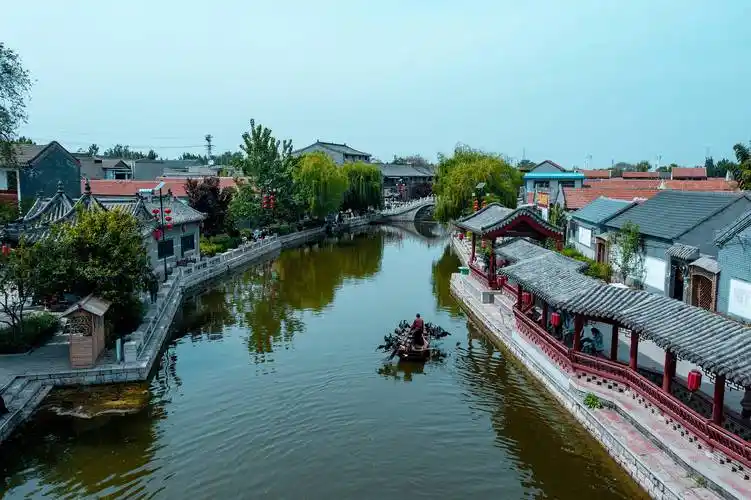 The Jining Ancient Canal was carved during the Yuan Dynasty (1271–1368), with the Huitong River section finally bridging the economic divide between China's prosperous south and its political north. Completed around 1289, it transformed Jining into what chroniclers called the "Venice of the North." Like Bruges or Lübeck in medieval Europe, Jining became a commercial powerhouse, hosting bustling guild halls and merchant associations. By the Ming and Qing dynasties, fleets of cargo vessels carried grain, silk, and porcelain along its waters, while Confucian scholars, salt merchants, and itinerant traders gathered in its teeming waterfront districts.
The canal's most celebrated engineering feat is the Nanwang Water Diversion Hub—often called the "heart of the Grand Canal" and comparable to the ingenious Dutch water management systems that shaped the Netherlands. Constructed in the 15th century to lift boats over a 40-meter watershed ridge, this system of dikes and sluices achieved hydraulic feats that astonished European engineers centuries later. The adjacent Dragon King Temple, now UNESCO-listed, honors the water deities credited with this triumph. Nearby, the Taibai Tower commemorates Tang Dynasty poet Li Bai's legendary extended stay in the city.
The Canal Memory Historic Block in Rencheng District preserves a remarkable ensemble of Ming and Qing architecture, comparable to the historic quarters of European trading cities. The restored Yutang Soy Sauce Workshop—one of China's oldest condiment producers still operating on its original site—stands alongside the elegant East Mosque, reflecting canal commerce's cosmopolitan character. Zhugan ("Bamboo Pole") Lane retains its original layout where craftsmen specialized in bamboo goods for passing boats. By evening, painted pleasure boats glide beneath illuminated Qingping and Yudai bridges, their reflections creating scenes reminiscent of a Monet canvas.
A one-hour drive south brings visitors to Nanyang Ancient Town, a Qing-era trading post entirely surrounded by water—much like Mont-Saint-Michel, but accessed by boat. Its stone-paved lanes, ancestral halls, and preserved money-exchange shops offer an immersive step back in time. The adjacent Weishan Lake, China's largest freshwater lake north of the Yangtze, hosts spectacular summer lotus blooms across 1,260 square kilometers of wetlands. Local specialties include salted duck eggs and the famous "four-nosed carp," a peculiar regional fish variety. Birdwatchers can spot dozens of migratory species in this ecologically vital zone.
The Canal Memory Historic Block in central Jining is free to enter and open daily. Painted boat rides cost between 30 and 60 yuan and offer the best views of illuminated bridges after sunset. Public buses 108 and 125 reach the main canal sections, though visitors heading to Nanyang Ancient Town will need a private car or hired vehicle. Allow half a day to a full day; early morning or late afternoon provides the most flattering light for photography. Summer visitors should pack insect repellent and sun protection, as the waterside areas attract mosquitoes.
The Jining Ancient Canal was carved during the Yuan Dynasty (1271–1368), with the Huitong River section finally bridging the economic divide between China's prosperous south and its political north. Completed around 1289, it transformed Jining into what chroniclers called the "Venice of the North." Like Bruges or Lübeck in medieval Europe, Jining became a commercial powerhouse, hosting bustling guild halls and merchant associations. By the Ming and Qing dynasties, fleets of cargo vessels carried grain, silk, and porcelain along its waters, while Confucian scholars, salt merchants, and itinerant traders gathered in its teeming waterfront districts.
The canal's most celebrated engineering feat is the Nanwang Water Diversion Hub—often called the "heart of the Grand Canal" and comparable to the ingenious Dutch water management systems that shaped the Netherlands. Constructed in the 15th century to lift boats over a 40-meter watershed ridge, this system of dikes and sluices achieved hydraulic feats that astonished European engineers centuries later. The adjacent Dragon King Temple, now UNESCO-listed, honors the water deities credited with this triumph. Nearby, the Taibai Tower commemorates Tang Dynasty poet Li Bai's legendary extended stay in the city.
The Canal Memory Historic Block in Rencheng District preserves a remarkable ensemble of Ming and Qing architecture, comparable to the historic quarters of European trading cities. The restored Yutang Soy Sauce Workshop—one of China's oldest condiment producers still operating on its original site—stands alongside the elegant East Mosque, reflecting canal commerce's cosmopolitan character. Zhugan ("Bamboo Pole") Lane retains its original layout where craftsmen specialized in bamboo goods for passing boats. By evening, painted pleasure boats glide beneath illuminated Qingping and Yudai bridges, their reflections creating scenes reminiscent of a Monet canvas.
A one-hour drive south brings visitors to Nanyang Ancient Town, a Qing-era trading post entirely surrounded by water—much like Mont-Saint-Michel, but accessed by boat. Its stone-paved lanes, ancestral halls, and preserved money-exchange shops offer an immersive step back in time. The adjacent Weishan Lake, China's largest freshwater lake north of the Yangtze, hosts spectacular summer lotus blooms across 1,260 square kilometers of wetlands. Local specialties include salted duck eggs and the famous "four-nosed carp," a peculiar regional fish variety. Birdwatchers can spot dozens of migratory species in this ecologically vital zone.
The Canal Memory Historic Block in central Jining is free to enter and open daily. Painted boat rides cost between 30 and 60 yuan and offer the best views of illuminated bridges after sunset. Public buses 108 and 125 reach the main canal sections, though visitors heading to Nanyang Ancient Town will need a private car or hired vehicle. Allow half a day to a full day; early morning or late afternoon provides the most flattering light for photography. Summer visitors should pack insect repellent and sun protection, as the waterside areas attract mosquitoes.