Moat Scenic Area

⭐ 4.60

Moat Scenic Area, Lixia District, Jinan, Shandong, China
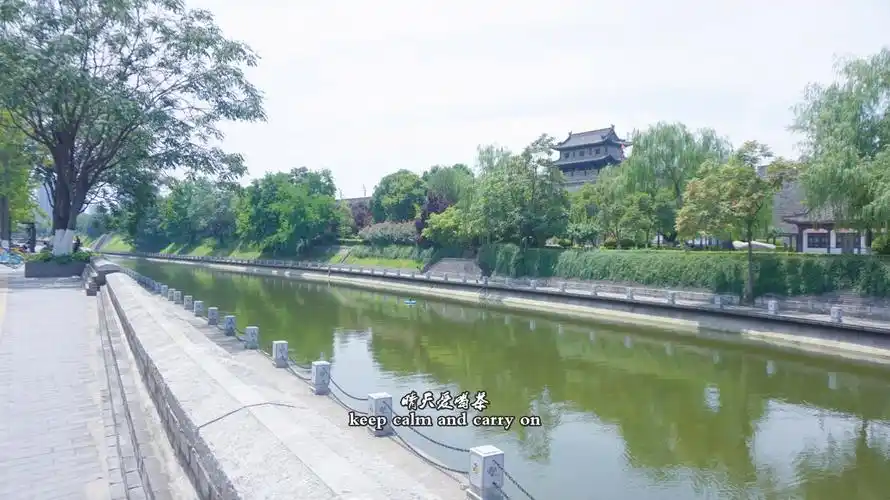
Moat Scenic Area
**History:** Jinan's moat dates back to the Han dynasty (206 BCE–220 CE), originally dug as a defensive water barrier and irrigation channel. During the Ming Hongwu reign (1368–1398), it was rebuilt on a grand scale to encircle the old walled city, much like Amsterdam's historic Singel or Vienna's surviving Stadtgraben channels. After centuries of neglect, the entire 6.9-kilometer loop reopened to boat traffic in 2010, transforming from a forgotten defensive trench into a living showcase of two millennia of spring-fed culture and one of China's most successful urban waterway restorations. **The Water:** What sets this moat apart is its source—unlike most city moats fed by rivers or reservoirs, every drop originates from Jinan's legendary artesian springs, the same aquifer system that supplies the city's famous Baotu Spring. The water stays a remarkably constant 18°C year-round, cool enough to refresh in summer, warm enough to steam gently in winter. This natural thermal stability is comparable to Switzerland's Alpine spring-fed pools, and at Black Tiger Spring visitors can fill bottles free of charge, a privilege almost unheard of in a modern capital. **Sights Along the Route:** Traveling roughly west to east, the moat threads through Jinan's greatest treasures: Baotu Spring Park, Five Dragon Pool, the Black Tiger Spring cluster, Liberation Pavilion (commemorating the 1948 battle that liberated the city), Quancheng Square, and finally Daming Lake crowned by the soaring seven-story Chaoran Tower. Wooden piers and ten boarding docks connect these landmarks with replica Qing-dynasty pleasure boats, and the full circuit takes about 70 minutes, including a fascinating passage through working boat locks that lift vessels between water levels. **How to Visit:** Walking the landscaped embankments is completely free and arguably the most rewarding option, with shaded willow avenues and open lawns similar to Paris's Coulée Verte. For the boat ride, expect around 100 RMB for the full loop (50–80 RMB for half), bookable via the WeChat mini-program "天下第一泉" (Number One Spring Under Heaven). Daytime cruises suit photographers, while evening departures showcase the "One Lake One Ring" lighting scheme that paints Liberation Pavilion and Chaoran Tower in golden reflections across the water. **Best Time and Tips:** The optimal strategy is a morning walk along the springs followed by an evening boat tour after 7 PM, especially from April through October when night cruises operate. Spring brings peonies and willows, summer offers misty cool relief, and autumn gilds the pagoda eaves in bronze. Winter has its own austere beauty after snowfall, when the steam rising from the springs creates an ink-wash painting atmosphere. Comfortable walking shoes are essential, as stone steps and slippery embankments are common throughout this uniquely watery corner of northern China.

Traveler reviews

Really nice spot, great for families wi...
⭐ 5 · Skylar Expand
The moat is basically Shaoxing's mother river, also called the Huancheng River. It wraps around the old city, which had ancient gates on all four sides. Today only Yingen Gate and Dusi Gate still exist - the othe...
⭐ 5 · Reese Expand