Urumqi Zoo
⭐ 3.60
High-tech Zone (New Urban District), Urumqi, Xinjiang, China
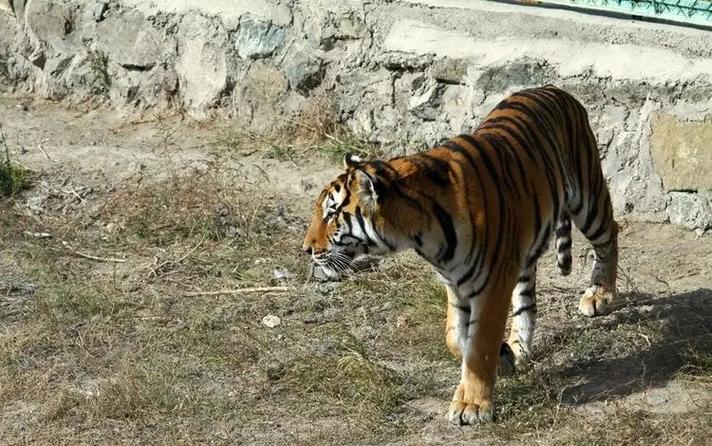 The park's origins trace back to 2005, when it opened as Urumqi City Zoo, with a major expansion completed in 2007 when the original urban facility relocated to the present Tianshan foothills site. The legacy downtown zoo has since been transformed into a free public green space called "South Park," and visitors should be careful not to navigate to the old address. This ambitious relocation mirrors the evolution seen at institutions like Berlin's Tierpark or San Diego Zoo Safari Park, where spacious, naturalistic habitats replaced cramped urban cages—a shift reflecting modern conservation philosophy pioneered in the West during the 20th century.
Spanning approximately 75 square kilometers of transitional landscape where Gobi desert meets alpine meadow, the park is divided into distinct zones: walking exhibition areas, a drive-through predator section, and free-roaming herbivore plains. The varied terrain recalls the ecological diversity found in Yellowstone or Kenya's Maasai Mara, allowing animals to inhabit environments remarkably similar to their native ranges. Wetland pockets and rocky outcrops further enrich the habitats, while strategically placed viewing platforms and tunnels offer immersive wildlife encounters without disturbing the animals.
The collection features an extraordinary roster of rare and endangered species. Headliners include the elusive snow leopard—a phantom of Central Asian mountains—and Przewalski's horse, the last truly wild equine species, once declared extinct in the wild before successful reintroduction programs. Asian lions, black chimpanzees, and Mongolian wild asses round out a roster of conservation-significant animals. The park plays an active role in breeding programs, much like the role played by European zoos in saving the European bison or Arabian oryx from extinction.
Practical planning is essential given the park's immense scale. Summer hours run 10:30 to 19:00, while winter hours shift to 11:00 to 18:00, with ticket sales ending at 16:30 and animals returning to enclosures around 17:00. Admission costs roughly 70 RMB for adults, with shuttle trams running 18 to 30 RMB and predator-zone experience vehicles requiring separate tickets. Allow at least half a day—private vehicles or hired cars are strongly recommended, as public transit is infrequent. Always carry identification; Xinjiang security checkpoints are thorough.
For the best experience, arrive early to catch morning-active animals like pandas and monkeys, then take the shuttle tram toward giraffe and elephant zones before boarding the predator experience vehicle for the park's highlight—a close encounter with lions, tigers, and bears in expansive enclosures. Summer sun is intense at this latitude, so sunscreen, hats, and ample water are essential. Strictly avoid bringing outside food to feed animals—this rule is enforced for both visitor safety and animal welfare. The park offers a rare opportunity to witness Central Asia's iconic wildlife within a single day's journey from Urumqi, making it an unforgettable stop for any traveler venturing onto the ancient Silk Road.
[BRIEF]
Xinjiang Tianshan Wildlife Park, formerly Urumqi City Zoo, sprawls across roughly 75 square kilometers on the northern slopes of the Tianshan Mountains—one of Asia's largest wildlife parks. Set amid desert-meadow terrain reminiscent of an African savanna, it houses over 170 species and 3,000 animals, including rare endemics like the snow leopard and Przewalski's horse. Visitors can drive through predator enclosures and roam herbivore zones, blending safari-style adventure with conservation education far from any traditional zoo experience.
[DETAILED]
The park's origins trace to 2005, when it opened as Urumqi City Zoo, with a major 2007 expansion relocating operations from the original urban site to the present Tianshan foothills location. The legacy downtown zoo has since become a free public green space called South Park—visitors should avoid navigating to the old address. This relocation mirrors the evolution seen at Berlin's Tierpark or San Diego Zoo Safari Park, where spacious naturalistic habitats replaced cramped urban cages, reflecting a modern conservation philosophy pioneered in twentieth-century Europe and North America.
Spanning approximately 75 square kilometers of transitional landscape where Gobi desert meets alpine meadow, the park is divided into walking exhibition zones, a drive-through predator section, and free-roaming herbivore plains. The varied terrain recalls the ecological diversity of Yellowstone or Kenya's Maasai Mara, allowing animals to inhabit environments remarkably close to their native ranges. Wetland pockets and rocky outcrops further enrich the habitats, while viewing platforms and tunnels offer immersive encounters without disturbing the wildlife.
The collection features an extraordinary roster of rare and endangered species. Headliners include the elusive snow leopard—a phantom of Central Asian mountains—and Przewalski's horse, the last truly wild equine, once declared extinct in the wild before successful reintroduction efforts. Asian lions, chimpanzees, and Mongolian wild asses round out a lineup of conservation-significant animals. The park plays an active role in breeding programs, much like European zoos that rescued the European bison and Arabian oryx from extinction.
Practical planning is essential given the park's immense scale. Summer hours run 10:30 to 19:00; winter hours shift to 11:00 to 18:00, with ticket sales ending at 16:30 and animals returning to enclosures around 17:00. Admission costs roughly 70 RMB for adults, shuttle trams run 18–30 RMB, and predator-zone vehicles require separate tickets. Allow at least half a day—private or hired cars are strongly recommended, as public transit is infrequent. Always carry identification; Xinjiang security checkpoints are thorough.
For the best experience, arrive early to catch morning-active animals like pandas and monkeys, then ride the shuttle toward giraffe and elephant zones before boarding the predator vehicle for the highlight—close encounters with lions, tigers, and bears in expansive enclosures. Summer sun at this latitude is intense, so sunscreen, hats, and ample water are essential. Outside food for animals is strictly prohibited and enforced. The park offers a rare chance to witness Central Asia's iconic wildlife on a single Silk Road detour from Urumqi, making it an unforgettable stop for any curious traveler.
[BRIEF]
Xinjiang Tianshan Wildlife Park, formerly Urumqi City Zoo, sprawls across roughly 75 square kilometers on the northern slopes of the Tianshan Mountains—one of Asia's largest wildlife parks. Set amid desert-meadow terrain reminiscent of an African savanna, it houses over 170 species and 3,000 animals, including rare endemics like the snow leopard and Przewalski's horse. Visitors can drive through predator enclosures and roam herbivore zones, blending safari-style adventure with conservation education far from any traditional zoo experience.
[DETAILED]
The park's origins trace to 2005, when it opened as Urumqi City Zoo, with a major 2007 expansion relocating operations from the original urban site to the present Tianshan foothills location. The legacy downtown zoo has since become a free public green space called South Park—visitors should avoid navigating to the old address. This relocation mirrors the evolution seen at Berlin's Tierpark or San Diego Zoo Safari Park, where spacious naturalistic habitats replaced cramped urban cages, reflecting a modern conservation philosophy pioneered in twentieth-century Europe and North America.
Spanning approximately 75 square kilometers of transitional landscape where Gobi desert meets alpine meadow, the park is divided into walking exhibition zones, a drive-through predator section, and free-roaming herbivore plains. The varied terrain recalls the ecological diversity of Yellowstone or Kenya's Maasai Mara, allowing animals to inhabit environments remarkably close to their native ranges. Wetland pockets and rocky outcrops further enrich the habitats, while viewing platforms and tunnels offer immersive encounters without disturbing the wildlife.
The collection features an extraordinary roster of rare and endangered species. Headliners include the elusive snow leopard—a phantom of Central Asian mountains—and Przewalski's horse, the last truly wild equine, once declared extinct in the wild before successful reintroduction efforts. Asian lions, chimpanzees, and Mongolian wild asses round out a lineup of conservation-significant animals. The park plays an active role in breeding programs, much like European zoos that rescued the European bison and Arabian oryx from extinction.
Practical planning is essential given the park's immense scale. Summer hours run 10:30 to 19:00; winter hours shift to 11:00 to 18:00, with ticket sales ending at 16:30 and animals returning to enclosures around 17:00. Admission costs roughly 70 RMB for adults, shuttle trams run 18–30 RMB, and predator-zone vehicles require separate tickets. Allow at least half a day—private or hired cars are strongly recommended, as public transit is infrequent. Always carry identification; Xinjiang security checkpoints are thorough.
For the best experience, arrive early to catch morning-active animals like pandas and monkeys, then ride the shuttle toward giraffe and elephant zones before boarding the predator vehicle for the highlight—close encounters with lions, tigers, and bears in expansive enclosures. Summer sun at this latitude is intense, so sunscreen, hats, and ample water are essential. Outside food for animals is strictly prohibited and enforced. The park offers a rare chance to witness Central Asia's iconic wildlife on a single Silk Road detour from Urumqi, making it an unforgettable stop for any curious traveler.
The park's origins trace back to 2005, when it opened as Urumqi City Zoo, with a major expansion completed in 2007 when the original urban facility relocated to the present Tianshan foothills site. The legacy downtown zoo has since been transformed into a free public green space called "South Park," and visitors should be careful not to navigate to the old address. This ambitious relocation mirrors the evolution seen at institutions like Berlin's Tierpark or San Diego Zoo Safari Park, where spacious, naturalistic habitats replaced cramped urban cages—a shift reflecting modern conservation philosophy pioneered in the West during the 20th century.
Spanning approximately 75 square kilometers of transitional landscape where Gobi desert meets alpine meadow, the park is divided into distinct zones: walking exhibition areas, a drive-through predator section, and free-roaming herbivore plains. The varied terrain recalls the ecological diversity found in Yellowstone or Kenya's Maasai Mara, allowing animals to inhabit environments remarkably similar to their native ranges. Wetland pockets and rocky outcrops further enrich the habitats, while strategically placed viewing platforms and tunnels offer immersive wildlife encounters without disturbing the animals.
The collection features an extraordinary roster of rare and endangered species. Headliners include the elusive snow leopard—a phantom of Central Asian mountains—and Przewalski's horse, the last truly wild equine species, once declared extinct in the wild before successful reintroduction programs. Asian lions, black chimpanzees, and Mongolian wild asses round out a roster of conservation-significant animals. The park plays an active role in breeding programs, much like the role played by European zoos in saving the European bison or Arabian oryx from extinction.
Practical planning is essential given the park's immense scale. Summer hours run 10:30 to 19:00, while winter hours shift to 11:00 to 18:00, with ticket sales ending at 16:30 and animals returning to enclosures around 17:00. Admission costs roughly 70 RMB for adults, with shuttle trams running 18 to 30 RMB and predator-zone experience vehicles requiring separate tickets. Allow at least half a day—private vehicles or hired cars are strongly recommended, as public transit is infrequent. Always carry identification; Xinjiang security checkpoints are thorough.
For the best experience, arrive early to catch morning-active animals like pandas and monkeys, then take the shuttle tram toward giraffe and elephant zones before boarding the predator experience vehicle for the park's highlight—a close encounter with lions, tigers, and bears in expansive enclosures. Summer sun is intense at this latitude, so sunscreen, hats, and ample water are essential. Strictly avoid bringing outside food to feed animals—this rule is enforced for both visitor safety and animal welfare. The park offers a rare opportunity to witness Central Asia's iconic wildlife within a single day's journey from Urumqi, making it an unforgettable stop for any traveler venturing onto the ancient Silk Road.
[BRIEF]
Xinjiang Tianshan Wildlife Park, formerly Urumqi City Zoo, sprawls across roughly 75 square kilometers on the northern slopes of the Tianshan Mountains—one of Asia's largest wildlife parks. Set amid desert-meadow terrain reminiscent of an African savanna, it houses over 170 species and 3,000 animals, including rare endemics like the snow leopard and Przewalski's horse. Visitors can drive through predator enclosures and roam herbivore zones, blending safari-style adventure with conservation education far from any traditional zoo experience.
[DETAILED]
The park's origins trace to 2005, when it opened as Urumqi City Zoo, with a major 2007 expansion relocating operations from the original urban site to the present Tianshan foothills location. The legacy downtown zoo has since become a free public green space called South Park—visitors should avoid navigating to the old address. This relocation mirrors the evolution seen at Berlin's Tierpark or San Diego Zoo Safari Park, where spacious naturalistic habitats replaced cramped urban cages, reflecting a modern conservation philosophy pioneered in twentieth-century Europe and North America.
Spanning approximately 75 square kilometers of transitional landscape where Gobi desert meets alpine meadow, the park is divided into walking exhibition zones, a drive-through predator section, and free-roaming herbivore plains. The varied terrain recalls the ecological diversity of Yellowstone or Kenya's Maasai Mara, allowing animals to inhabit environments remarkably close to their native ranges. Wetland pockets and rocky outcrops further enrich the habitats, while viewing platforms and tunnels offer immersive encounters without disturbing the wildlife.
The collection features an extraordinary roster of rare and endangered species. Headliners include the elusive snow leopard—a phantom of Central Asian mountains—and Przewalski's horse, the last truly wild equine, once declared extinct in the wild before successful reintroduction efforts. Asian lions, chimpanzees, and Mongolian wild asses round out a lineup of conservation-significant animals. The park plays an active role in breeding programs, much like European zoos that rescued the European bison and Arabian oryx from extinction.
Practical planning is essential given the park's immense scale. Summer hours run 10:30 to 19:00; winter hours shift to 11:00 to 18:00, with ticket sales ending at 16:30 and animals returning to enclosures around 17:00. Admission costs roughly 70 RMB for adults, shuttle trams run 18–30 RMB, and predator-zone vehicles require separate tickets. Allow at least half a day—private or hired cars are strongly recommended, as public transit is infrequent. Always carry identification; Xinjiang security checkpoints are thorough.
For the best experience, arrive early to catch morning-active animals like pandas and monkeys, then ride the shuttle toward giraffe and elephant zones before boarding the predator vehicle for the highlight—close encounters with lions, tigers, and bears in expansive enclosures. Summer sun at this latitude is intense, so sunscreen, hats, and ample water are essential. Outside food for animals is strictly prohibited and enforced. The park offers a rare chance to witness Central Asia's iconic wildlife on a single Silk Road detour from Urumqi, making it an unforgettable stop for any curious traveler.
[BRIEF]
Xinjiang Tianshan Wildlife Park, formerly Urumqi City Zoo, sprawls across roughly 75 square kilometers on the northern slopes of the Tianshan Mountains—one of Asia's largest wildlife parks. Set amid desert-meadow terrain reminiscent of an African savanna, it houses over 170 species and 3,000 animals, including rare endemics like the snow leopard and Przewalski's horse. Visitors can drive through predator enclosures and roam herbivore zones, blending safari-style adventure with conservation education far from any traditional zoo experience.
[DETAILED]
The park's origins trace to 2005, when it opened as Urumqi City Zoo, with a major 2007 expansion relocating operations from the original urban site to the present Tianshan foothills location. The legacy downtown zoo has since become a free public green space called South Park—visitors should avoid navigating to the old address. This relocation mirrors the evolution seen at Berlin's Tierpark or San Diego Zoo Safari Park, where spacious naturalistic habitats replaced cramped urban cages, reflecting a modern conservation philosophy pioneered in twentieth-century Europe and North America.
Spanning approximately 75 square kilometers of transitional landscape where Gobi desert meets alpine meadow, the park is divided into walking exhibition zones, a drive-through predator section, and free-roaming herbivore plains. The varied terrain recalls the ecological diversity of Yellowstone or Kenya's Maasai Mara, allowing animals to inhabit environments remarkably close to their native ranges. Wetland pockets and rocky outcrops further enrich the habitats, while viewing platforms and tunnels offer immersive encounters without disturbing the wildlife.
The collection features an extraordinary roster of rare and endangered species. Headliners include the elusive snow leopard—a phantom of Central Asian mountains—and Przewalski's horse, the last truly wild equine, once declared extinct in the wild before successful reintroduction efforts. Asian lions, chimpanzees, and Mongolian wild asses round out a lineup of conservation-significant animals. The park plays an active role in breeding programs, much like European zoos that rescued the European bison and Arabian oryx from extinction.
Practical planning is essential given the park's immense scale. Summer hours run 10:30 to 19:00; winter hours shift to 11:00 to 18:00, with ticket sales ending at 16:30 and animals returning to enclosures around 17:00. Admission costs roughly 70 RMB for adults, shuttle trams run 18–30 RMB, and predator-zone vehicles require separate tickets. Allow at least half a day—private or hired cars are strongly recommended, as public transit is infrequent. Always carry identification; Xinjiang security checkpoints are thorough.
For the best experience, arrive early to catch morning-active animals like pandas and monkeys, then ride the shuttle toward giraffe and elephant zones before boarding the predator vehicle for the highlight—close encounters with lions, tigers, and bears in expansive enclosures. Summer sun at this latitude is intense, so sunscreen, hats, and ample water are essential. Outside food for animals is strictly prohibited and enforced. The park offers a rare chance to witness Central Asia's iconic wildlife on a single Silk Road detour from Urumqi, making it an unforgettable stop for any curious traveler.