Mount Tai
⭐ 4.80
Mount Tai Scenic Area, Tai'an City, Shandong Province, China
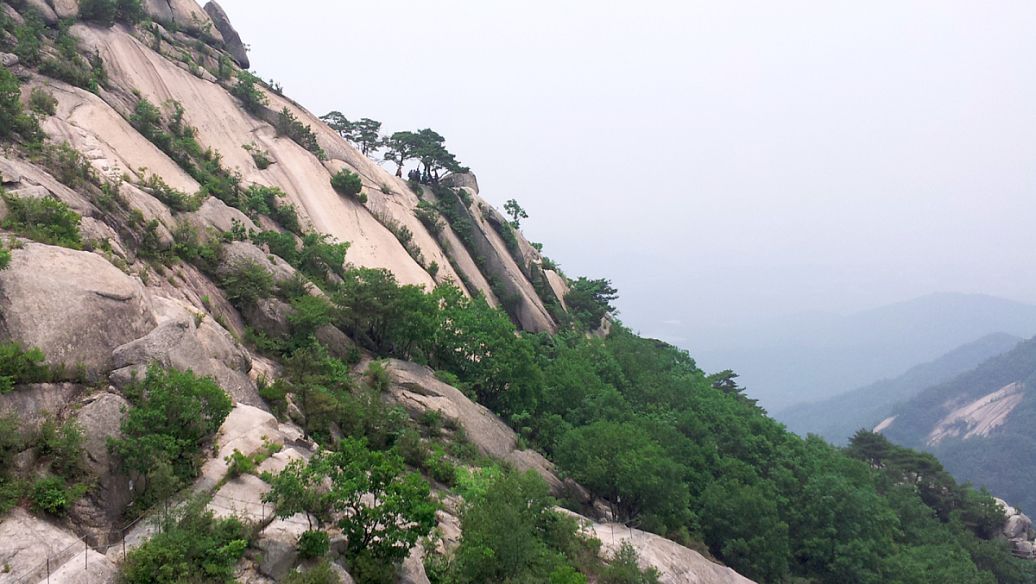 Rising from the rolling plains of Shandong, Mount Tai occupies a place in Chinese history comparable to Mount Olympus in ancient Greece or Mount Sinai in Judeo-Christian tradition—a sacred axis where heaven and earth were believed to meet. The imperial fengshan ceremonies, in which emperors offered sacrifices to Heaven and Earth, were performed here by 72 legendary rulers, including China's first emperor Qin Shi Huang (reigned 221–206 BCE), Han Wu Di, Tang Xuanzong, and Song Zhenzong. This unbroken tradition of state ritual makes Mount Tai one of the longest continuously venerated sacred sites on Earth, predating most of Europe's medieval cathedrals by more than a millennium.
The architectural ensemble begins at the foot of the mountain with the Dai Temple, a sprawling complex comparable in scale and ambition to St. Peter's Basilica or the Forbidden City itself. Once called the Eastern Peak Temple and ranked alongside the Confucius Temple in nearby Qufu, it shelters ancient cypresses and Tang-dynasty locust trees, alongside thousands of stone steles chronicling centuries of imperial worship. Higher up, monasteries and pavilions cling to cliffsides, while the gilded Bixia Shrine near the summit honors the beloved Taoist deity Bixia Yuanjun, "Lady of the Green Clouds," whose worship has endured for a thousand years.
The mountain's cliffs serve as an open-air museum of Chinese literary history, bearing more than 2,000 surviving inscriptions that span from the pre-Qin era to the modern period. Poets such as Li Bai and Du Fu carved verses directly into the rock, and the famous "Supreme Among the Five Sacred Mountains" inscription became so iconic that it adorns the back of China's five-yuan banknote. Every step along the ascent unfolds like pages of a living chronicle, where stone and calligraphy fuse landscape with national memory.
Entry costs 115 RMB and includes the Dai Temple, with shuttle buses at 35 RMB one-way and cable cars at 100 RMB. Foreign visitors should present their passports at manual ticket windows for verification, ideally booked in advance through the "Taishan Scenic Area" WeChat account or Ctrip. Allow one to one-and-a-half days; the optimal climbing season runs from April through October, when autumn mornings offer the most spectacular cloud seas. The on-site information hotline is +86 538 96008888.
Three classic routes cater to different travelers: the Red Gate trail is a demanding 4–6 hour hike through the cultural heart of the mountain, ideal for the historically curious; the Tianwaicun route combines bus and cable car for comfort without sacrificing the experience; and the Taohuayu path offers a quieter, more contemplative ascent. Those with moderate fitness should consider walking to the Mid-Heaven Gate before taking the cable car to the summit, while first-time visitors benefit greatly from spending an hour or two in the Dai Temple before climbing—it's the essential key to understanding what every stone, shrine, and stairway on Mount Tai truly means.
Rising from the rolling plains of Shandong, Mount Tai occupies a place in Chinese history comparable to Mount Olympus in ancient Greece or Mount Sinai in Judeo-Christian tradition—a sacred axis where heaven and earth were believed to meet. The imperial fengshan ceremonies, in which emperors offered sacrifices to Heaven and Earth, were performed here by 72 legendary rulers, including China's first emperor Qin Shi Huang (reigned 221–206 BCE), Han Wu Di, Tang Xuanzong, and Song Zhenzong. This unbroken tradition of state ritual makes Mount Tai one of the longest continuously venerated sacred sites on Earth, predating most of Europe's medieval cathedrals by more than a millennium.
The architectural ensemble begins at the foot of the mountain with the Dai Temple, a sprawling complex comparable in scale and ambition to St. Peter's Basilica or the Forbidden City itself. Once called the Eastern Peak Temple and ranked alongside the Confucius Temple in nearby Qufu, it shelters ancient cypresses and Tang-dynasty locust trees, alongside thousands of stone steles chronicling centuries of imperial worship. Higher up, monasteries and pavilions cling to cliffsides, while the gilded Bixia Shrine near the summit honors the beloved Taoist deity Bixia Yuanjun, "Lady of the Green Clouds," whose worship has endured for a thousand years.
The mountain's cliffs serve as an open-air museum of Chinese literary history, bearing more than 2,000 surviving inscriptions that span from the pre-Qin era to the modern period. Poets such as Li Bai and Du Fu carved verses directly into the rock, and the famous "Supreme Among the Five Sacred Mountains" inscription became so iconic that it adorns the back of China's five-yuan banknote. Every step along the ascent unfolds like pages of a living chronicle, where stone and calligraphy fuse landscape with national memory.
Entry costs 115 RMB and includes the Dai Temple, with shuttle buses at 35 RMB one-way and cable cars at 100 RMB. Foreign visitors should present their passports at manual ticket windows for verification, ideally booked in advance through the "Taishan Scenic Area" WeChat account or Ctrip. Allow one to one-and-a-half days; the optimal climbing season runs from April through October, when autumn mornings offer the most spectacular cloud seas. The on-site information hotline is +86 538 96008888.
Three classic routes cater to different travelers: the Red Gate trail is a demanding 4–6 hour hike through the cultural heart of the mountain, ideal for the historically curious; the Tianwaicun route combines bus and cable car for comfort without sacrificing the experience; and the Taohuayu path offers a quieter, more contemplative ascent. Those with moderate fitness should consider walking to the Mid-Heaven Gate before taking the cable car to the summit, while first-time visitors benefit greatly from spending an hour or two in the Dai Temple before climbing—it's the essential key to understanding what every stone, shrine, and stairway on Mount Tai truly means.