Quanzhou Museum
⭐ 4.60
No. 499, Quanxiu Street, Fengze District, Quanzhou City, Fujian Province, China
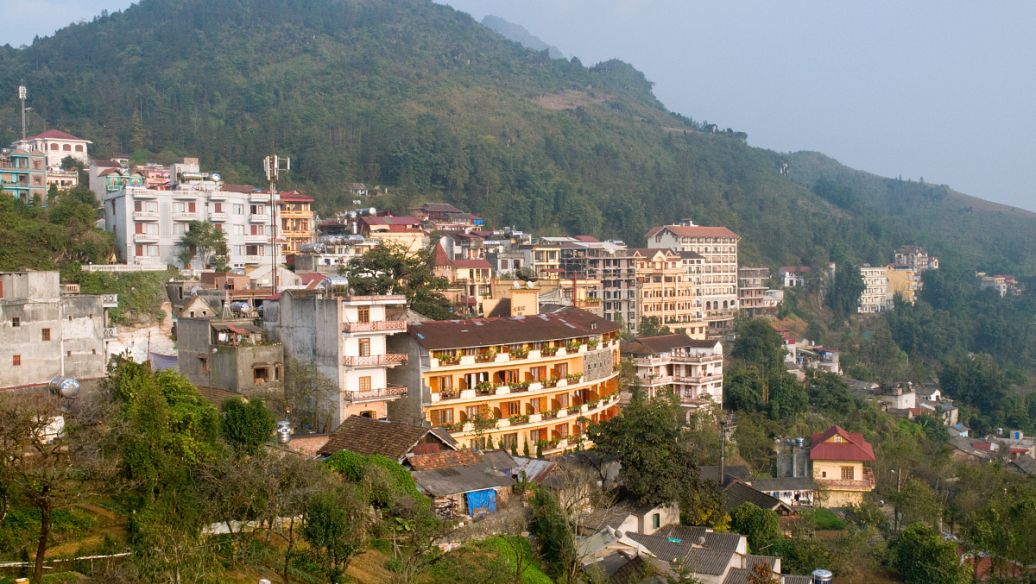 In the 12th and 13th centuries, Quanzhou ranked among the world's most cosmopolitan harbors, drawing Arab, Persian, Indian, and European merchants to its bustling wharves. Marco Polo reportedly called it one of the finest ports on earth, comparing it favorably with the great Mediterranean trading centers of Venice and Genoa. The museum's flagship exhibition, "The Eastern First Major Port — Ancient Civilization of Quanzhou," weaves this extraordinary story through artifacts spanning from prehistoric times to the Ming-Qing era. As part of the UNESCO World Heritage Site "Quanzhou: Emporium of the World in Song-Yuan China" inscribed in 2021, the collection illuminates a chapter when this Fujian coastal city stood at the very heart of global commerce.
The museum's architecture pays homage to traditional Minnan style, with stately facades reminiscent of southern Fujian's temple complexes. The 2026 renovation transformed over 5,300 square meters of exhibition space, layering cutting-edge digital technology onto historical storytelling. Visitors encounter virtual projections of ancient pagodas, interactive coin-casting experiences, and a recreated Maritime Trade Commission office. Massive immersive screens transport guests into the lively chaos of a Song-dynasty bazaar where foreign merchants traded silk, porcelain, and spices — an experience that brings the Maritime Silk Road vividly to life in ways conventional display cases cannot match.
Beyond maritime trade, the museum celebrates Quanzhou's living cultural heritage through its World Minnan Culture Center, where visitors can encounter Nanyin music, Liyuan opera, and traditional puppet performances during scheduled heritage showcases. A dedicated red history gallery offers an immersive lesson in the city's revolutionary past, while the "Brilliance Renewed" archaeology hall displays remarkable recent discoveries. Temporary exhibitions rotate regularly, ensuring repeat visitors always find something new. This layered approach positions the museum not merely as a repository of objects but as a dynamic cultural institution where a thousand years of East-West exchange continues to unfold.
Visiting requires planning ahead: the museum is open Tuesday through Sunday from 9:00 to 17:00, with last entry at 16:30, and closed on Mondays except during Chinese public holidays. Admission is free, but foreign visitors must reserve through the "Quanzhou Museum" WeChat public account using their passport number, then present both the reservation code and original passport at the entrance. Flash photography, tripods, touching exhibits, food, and smoking are strictly prohibited. The air conditioning runs strong, so bringing a light jacket is advisable.
Allow 1.5 to 2 hours for a thorough visit, following the chronological layout from antiquity through the Qing dynasty. Key highlights include the Maritime Silk Road trading diorama and the interactive surname-origin system. Check the official WeChat account before arrival to confirm special exhibitions and heritage performance schedules. The museum sits adjacent to the complementary China Museum of Fujian-Taiwan Kinship, and the Quanzhou Maritime Silk Road Museum, just two kilometers away with its remarkable religious stone carvings and ancient ship artifacts, makes an excellent combined half-day cultural itinerary.
[BRIEF]
Quanzhou Museum, reopened in August 2026 after a comprehensive upgrade, is the essential gateway to understanding one of history's greatest trading ports. Designated a national second-tier museum and AAAA scenic area, it showcases 1,735 artifacts tracing Quanzhou's rise as the "Eastern First Major Port" along the Maritime Silk Road. Free to visit with advance reservation, the museum blends traditional Minnan architecture with cutting-edge digital immersion, offering visitors a vivid journey through a thousand years when this Chinese city rivaled Venice and Constantinople as a global commercial powerhouse.
[DETAILED]
In the 12th and 13th centuries, Quanzhou ranked among the world's most cosmopolitan harbors, drawing Arab, Persian, Indian, and European merchants to its bustling wharves. Marco Polo reportedly called it one of the finest ports on earth, comparing it favorably with the great Mediterranean trading centers of Venice and Genoa. The museum's flagship exhibition, "The Eastern First Major Port — Ancient Civilization of Quanzhou," weaves this extraordinary story through artifacts spanning from prehistoric times to the Ming-Qing era. As part of the UNESCO World Heritage Site "Quanzhou: Emporium of the World in Song-Yuan China" inscribed in 2021, the collection illuminates a chapter when this Fujian coastal city stood at the very heart of global commerce.
The museum's architecture pays homage to traditional Minnan style, with stately facades reminiscent of southern Fujian's temple complexes. The 2026 renovation transformed over 5,300 square meters of exhibition space, layering cutting-edge digital technology onto historical storytelling. Visitors encounter virtual projections of ancient pagodas, interactive coin-casting experiences, and a recreated Maritime Trade Commission office. Massive immersive screens transport guests into the lively chaos of a Song-dynasty bazaar where foreign merchants traded silk, porcelain, and spices — an experience that brings the Maritime Silk Road vividly to life in ways conventional display cases cannot match.
Beyond maritime trade, the museum celebrates Quanzhou's living cultural heritage through its World Minnan Culture Center, where visitors can encounter Nanyin music, Liyuan opera, and traditional puppet performances during scheduled heritage showcases. A dedicated red history gallery offers an immersive lesson in the city's revolutionary past, while the "Brilliance Renewed" archaeology hall displays remarkable recent discoveries. Temporary exhibitions rotate regularly, ensuring repeat visitors always find something new. This layered approach positions the museum not merely as a repository of objects but as a dynamic cultural institution where a thousand years of East-West exchange continues to unfold.
Visiting requires planning ahead: the museum is open Tuesday through Sunday from 9:00 to 17:00, with last entry at 16:30, and closed on Mondays except during Chinese public holidays. Admission is free, but foreign visitors must reserve through the "Quanzhou Museum" WeChat public account using their passport number, then present both the reservation code and original passport at the entrance. Flash photography, tripods, touching exhibits, food, and smoking are strictly prohibited. The air conditioning runs strong, so bringing a light jacket is advisable.
Allow 1.5 to 2 hours for a thorough visit, following the chronological layout from antiquity through the Qing dynasty. Key highlights include the Maritime Silk Road trading diorama and the interactive surname-origin system. Check the official WeChat account before arrival to confirm special exhibitions and heritage performance schedules. The museum sits adjacent to the complementary China Museum of Fujian-Taiwan Kinship, and the Quanzhou Maritime Silk Road Museum, just two kilometers away with its remarkable religious stone carvings and ancient ship artifacts, makes an excellent combined half-day cultural itinerary.
In the 12th and 13th centuries, Quanzhou ranked among the world's most cosmopolitan harbors, drawing Arab, Persian, Indian, and European merchants to its bustling wharves. Marco Polo reportedly called it one of the finest ports on earth, comparing it favorably with the great Mediterranean trading centers of Venice and Genoa. The museum's flagship exhibition, "The Eastern First Major Port — Ancient Civilization of Quanzhou," weaves this extraordinary story through artifacts spanning from prehistoric times to the Ming-Qing era. As part of the UNESCO World Heritage Site "Quanzhou: Emporium of the World in Song-Yuan China" inscribed in 2021, the collection illuminates a chapter when this Fujian coastal city stood at the very heart of global commerce.
The museum's architecture pays homage to traditional Minnan style, with stately facades reminiscent of southern Fujian's temple complexes. The 2026 renovation transformed over 5,300 square meters of exhibition space, layering cutting-edge digital technology onto historical storytelling. Visitors encounter virtual projections of ancient pagodas, interactive coin-casting experiences, and a recreated Maritime Trade Commission office. Massive immersive screens transport guests into the lively chaos of a Song-dynasty bazaar where foreign merchants traded silk, porcelain, and spices — an experience that brings the Maritime Silk Road vividly to life in ways conventional display cases cannot match.
Beyond maritime trade, the museum celebrates Quanzhou's living cultural heritage through its World Minnan Culture Center, where visitors can encounter Nanyin music, Liyuan opera, and traditional puppet performances during scheduled heritage showcases. A dedicated red history gallery offers an immersive lesson in the city's revolutionary past, while the "Brilliance Renewed" archaeology hall displays remarkable recent discoveries. Temporary exhibitions rotate regularly, ensuring repeat visitors always find something new. This layered approach positions the museum not merely as a repository of objects but as a dynamic cultural institution where a thousand years of East-West exchange continues to unfold.
Visiting requires planning ahead: the museum is open Tuesday through Sunday from 9:00 to 17:00, with last entry at 16:30, and closed on Mondays except during Chinese public holidays. Admission is free, but foreign visitors must reserve through the "Quanzhou Museum" WeChat public account using their passport number, then present both the reservation code and original passport at the entrance. Flash photography, tripods, touching exhibits, food, and smoking are strictly prohibited. The air conditioning runs strong, so bringing a light jacket is advisable.
Allow 1.5 to 2 hours for a thorough visit, following the chronological layout from antiquity through the Qing dynasty. Key highlights include the Maritime Silk Road trading diorama and the interactive surname-origin system. Check the official WeChat account before arrival to confirm special exhibitions and heritage performance schedules. The museum sits adjacent to the complementary China Museum of Fujian-Taiwan Kinship, and the Quanzhou Maritime Silk Road Museum, just two kilometers away with its remarkable religious stone carvings and ancient ship artifacts, makes an excellent combined half-day cultural itinerary.
[BRIEF]
Quanzhou Museum, reopened in August 2026 after a comprehensive upgrade, is the essential gateway to understanding one of history's greatest trading ports. Designated a national second-tier museum and AAAA scenic area, it showcases 1,735 artifacts tracing Quanzhou's rise as the "Eastern First Major Port" along the Maritime Silk Road. Free to visit with advance reservation, the museum blends traditional Minnan architecture with cutting-edge digital immersion, offering visitors a vivid journey through a thousand years when this Chinese city rivaled Venice and Constantinople as a global commercial powerhouse.
[DETAILED]
In the 12th and 13th centuries, Quanzhou ranked among the world's most cosmopolitan harbors, drawing Arab, Persian, Indian, and European merchants to its bustling wharves. Marco Polo reportedly called it one of the finest ports on earth, comparing it favorably with the great Mediterranean trading centers of Venice and Genoa. The museum's flagship exhibition, "The Eastern First Major Port — Ancient Civilization of Quanzhou," weaves this extraordinary story through artifacts spanning from prehistoric times to the Ming-Qing era. As part of the UNESCO World Heritage Site "Quanzhou: Emporium of the World in Song-Yuan China" inscribed in 2021, the collection illuminates a chapter when this Fujian coastal city stood at the very heart of global commerce.
The museum's architecture pays homage to traditional Minnan style, with stately facades reminiscent of southern Fujian's temple complexes. The 2026 renovation transformed over 5,300 square meters of exhibition space, layering cutting-edge digital technology onto historical storytelling. Visitors encounter virtual projections of ancient pagodas, interactive coin-casting experiences, and a recreated Maritime Trade Commission office. Massive immersive screens transport guests into the lively chaos of a Song-dynasty bazaar where foreign merchants traded silk, porcelain, and spices — an experience that brings the Maritime Silk Road vividly to life in ways conventional display cases cannot match.
Beyond maritime trade, the museum celebrates Quanzhou's living cultural heritage through its World Minnan Culture Center, where visitors can encounter Nanyin music, Liyuan opera, and traditional puppet performances during scheduled heritage showcases. A dedicated red history gallery offers an immersive lesson in the city's revolutionary past, while the "Brilliance Renewed" archaeology hall displays remarkable recent discoveries. Temporary exhibitions rotate regularly, ensuring repeat visitors always find something new. This layered approach positions the museum not merely as a repository of objects but as a dynamic cultural institution where a thousand years of East-West exchange continues to unfold.
Visiting requires planning ahead: the museum is open Tuesday through Sunday from 9:00 to 17:00, with last entry at 16:30, and closed on Mondays except during Chinese public holidays. Admission is free, but foreign visitors must reserve through the "Quanzhou Museum" WeChat public account using their passport number, then present both the reservation code and original passport at the entrance. Flash photography, tripods, touching exhibits, food, and smoking are strictly prohibited. The air conditioning runs strong, so bringing a light jacket is advisable.
Allow 1.5 to 2 hours for a thorough visit, following the chronological layout from antiquity through the Qing dynasty. Key highlights include the Maritime Silk Road trading diorama and the interactive surname-origin system. Check the official WeChat account before arrival to confirm special exhibitions and heritage performance schedules. The museum sits adjacent to the complementary China Museum of Fujian-Taiwan Kinship, and the Quanzhou Maritime Silk Road Museum, just two kilometers away with its remarkable religious stone carvings and ancient ship artifacts, makes an excellent combined half-day cultural itinerary.