Weitou Bay
⭐ 4.20
Weitou Bay, Jinjiang City, Quanzhou City, Fujian Province, China
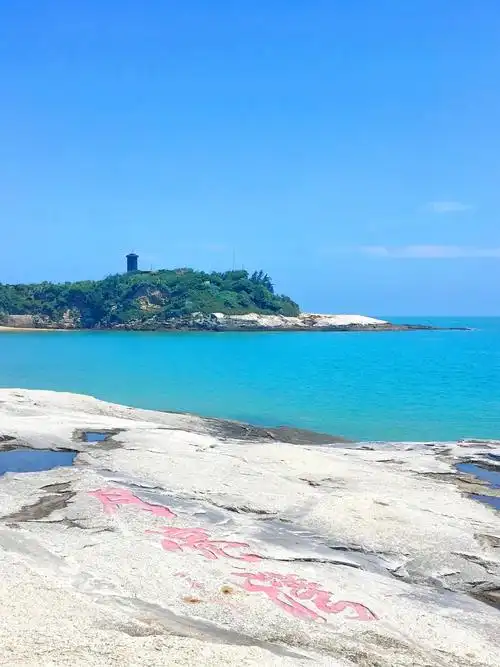 Weitou Peninsula sits at the volatile frontline of the Taiwan Strait, separated from Kinmen Island by a mere 5.6 nautical miles—roughly the width of the English Channel at its narrowest. In 1958, this quiet fishing community became the epicenter of the Second Taiwan Strait Crisis, when PLA artillery batteries unleashed weeks of bombardment against ROC forces across the water, one of the fiercest conventional shelling campaigns of the Cold War era. Visitors can still walk through bunkers, trench systems, and gun emplacements that earned the village its proud title of "Hero Village," drawing parallels to the preserved battlefield landscapes of Normandy or the more recent DMZ on the Korean Peninsula.
The centerpiece, the 823 Battle Site Park, is a provincial cultural heritage site where restored fortifications stand remarkably intact. Climb the Southeast First Sentry Lookout and train a high-powered telescope westward for sweeping views of Kinmen's silhouette shimmering on the horizon. The park has become a favored destination for patriotic education programs and historical study tours, offering travelers a tangible connection to a confrontation that, unlike the trenches of WWI, only ended in the 1970s.
Twin beaches define the area's natural beauty. Jinsha Bay, or "Golden Sand Bay," offers fine soft sand and crystalline water ideal for swimming and surfing, while nearby Moon Bay showcases dramatic sea-eroded rock formations, natural arches, and sea stacks reminiscent of Italy's Amalfi Coast or the Calanques near Marseille. Together they create a striking yin-yang contrast—tranquil and adventurous, gentled and rugged—that dazzles photographers at sunrise and golden hour.
The ancient village core reveals a fascinating architectural tapestry: rows of classic Minnan red-brick ancestral houses standing alongside eclectic "Phonetic-Style Mansions" built by returning overseas Chinese in the early twentieth century, their facades blending Art Deco and Romanesque flourishes with traditional swallow-tail ridges. Down at the historic ferry pier, a thriving abalone farming industry invites visitors to don work clothes and help haul cages from the sea before sampling the day's catch fresh on the spot—think oyster shucking in Cancale, Brittany, but with Fujianese flair. Evenings bring performances of Nanyin, a UNESCO-recognized form of ancient chamber music surviving since the Song dynasty.
Practical planning is straightforward. The site is free and open all day, with the battle park welcoming visitors from 08:00 to 17:30. Located in Jinjiang City roughly an hour's drive from central Quanzhou, the area is best reached by rental car or hired driver, as public transit requires multiple transfers. For overnight stays, the architecturally striking Qiwei Reef Rock Hotel offers dramatic cliffside sea views, while the Weitou Renjia homestay provides authentic immersion in fisher-family life. Spring and autumn migration seasons bring rare visitors like the endangered Chinese Crested Tern, though swimming is best from June through September. Note that this is a sensitive border zone: drones are prohibited over military installations, and visitors must refrain from photographing toward Kinmen or tossing objects across the water. Respect the marine ecology by keeping clear of nesting seabirds and the fragile sea-eroded formations. A single full day comfortably captures the battlefield, beaches, and fishing village in one memorable circuit.
Weitou Peninsula sits at the volatile frontline of the Taiwan Strait, separated from Kinmen Island by a mere 5.6 nautical miles—roughly the width of the English Channel at its narrowest. In 1958, this quiet fishing community became the epicenter of the Second Taiwan Strait Crisis, when PLA artillery batteries unleashed weeks of bombardment against ROC forces across the water, one of the fiercest conventional shelling campaigns of the Cold War era. Visitors can still walk through bunkers, trench systems, and gun emplacements that earned the village its proud title of "Hero Village," drawing parallels to the preserved battlefield landscapes of Normandy or the more recent DMZ on the Korean Peninsula.
The centerpiece, the 823 Battle Site Park, is a provincial cultural heritage site where restored fortifications stand remarkably intact. Climb the Southeast First Sentry Lookout and train a high-powered telescope westward for sweeping views of Kinmen's silhouette shimmering on the horizon. The park has become a favored destination for patriotic education programs and historical study tours, offering travelers a tangible connection to a confrontation that, unlike the trenches of WWI, only ended in the 1970s.
Twin beaches define the area's natural beauty. Jinsha Bay, or "Golden Sand Bay," offers fine soft sand and crystalline water ideal for swimming and surfing, while nearby Moon Bay showcases dramatic sea-eroded rock formations, natural arches, and sea stacks reminiscent of Italy's Amalfi Coast or the Calanques near Marseille. Together they create a striking yin-yang contrast—tranquil and adventurous, gentled and rugged—that dazzles photographers at sunrise and golden hour.
The ancient village core reveals a fascinating architectural tapestry: rows of classic Minnan red-brick ancestral houses standing alongside eclectic "Phonetic-Style Mansions" built by returning overseas Chinese in the early twentieth century, their facades blending Art Deco and Romanesque flourishes with traditional swallow-tail ridges. Down at the historic ferry pier, a thriving abalone farming industry invites visitors to don work clothes and help haul cages from the sea before sampling the day's catch fresh on the spot—think oyster shucking in Cancale, Brittany, but with Fujianese flair. Evenings bring performances of Nanyin, a UNESCO-recognized form of ancient chamber music surviving since the Song dynasty.
Practical planning is straightforward. The site is free and open all day, with the battle park welcoming visitors from 08:00 to 17:30. Located in Jinjiang City roughly an hour's drive from central Quanzhou, the area is best reached by rental car or hired driver, as public transit requires multiple transfers. For overnight stays, the architecturally striking Qiwei Reef Rock Hotel offers dramatic cliffside sea views, while the Weitou Renjia homestay provides authentic immersion in fisher-family life. Spring and autumn migration seasons bring rare visitors like the endangered Chinese Crested Tern, though swimming is best from June through September. Note that this is a sensitive border zone: drones are prohibited over military installations, and visitors must refrain from photographing toward Kinmen or tossing objects across the water. Respect the marine ecology by keeping clear of nesting seabirds and the fragile sea-eroded formations. A single full day comfortably captures the battlefield, beaches, and fishing village in one memorable circuit.