Quanzhou Ancient City Cultural and Creative Market
⭐ 4.60
Zhongshan Road, Cultural and Creative Block, Licheng District, Quanzhou City, Fujian Province, China
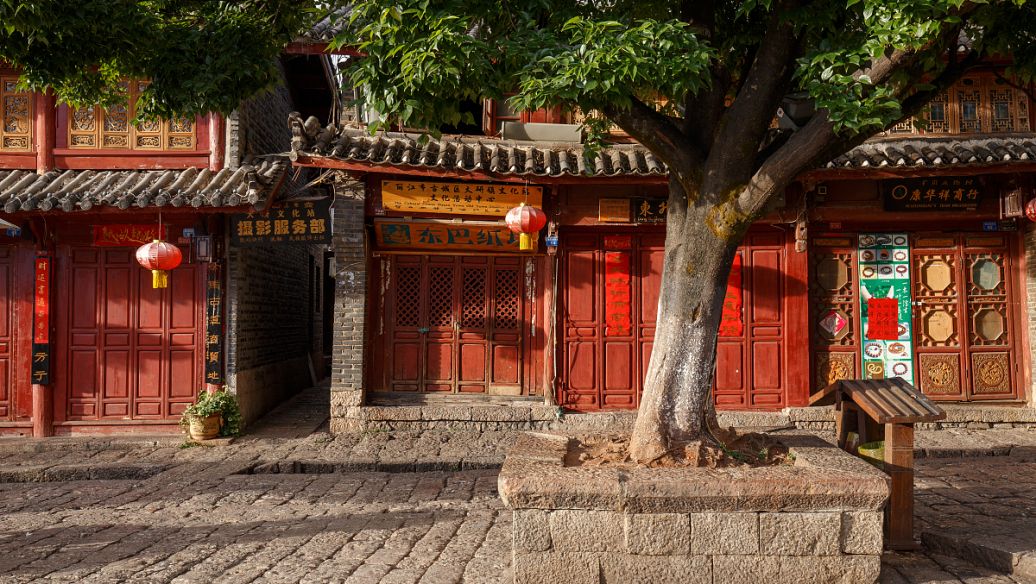 Quanzhou, known to medieval Arab merchants and Marco Polo as "Zayton," was once the world's busiest port during the Song and Yuan dynasties (10th–14th centuries), eclipsing contemporary Venice and Constantinople in maritime trade volume. The city's Maritime Silk Road legacy gained UNESCO recognition in 2021, when 22 historic sites were inscribed as the property "Quanzhou: Emporium of the World in Song-Yuan China." Today's rotating markets revive this golden era through themed gatherings like "Maritime Trade Bazaar" and "Ten Thousand Nations Market," transforming a millennium of cross-cultural exchange into tangible, contemporary experiences for visitors.
The markets unfold within Quanzhou's living architectural tapestry. At the Confucian Temple (Fuzhou Wenmiao), dating to the Song dynasty, vendor stalls line ancient colonnaded corridors alongside the imposing Dacheng Hall, with the cultural creative market becoming a daily fixture. During festivals, Zhongshan South Road's elegant arcaded buildings (qilou)—comparable to Singapore's shophouses or Lisbon's Pombaline architecture—glow with lanterns and festoon lights. Nearby stand the purple-brick ancestral halls, the twin pagodas of Kaiyuan Temple, and Qingjing Mosque, one of China's oldest surviving Islamic landmarks.
These gatherings showcase Minnan intangible heritage through hands-on workshops. Visitors can try figurine sculpture, woodcarving, paper-cutting, lantern-making, and jincanxiu gold-thread embroidery—techniques passed down through generations. Performances of Nanyin, the ancient southern Fujian music tradition inscribed on UNESCO's Representative List, and traditional puppet theater animate the streets, while costumed performers portraying Song and Yuan merchants invite guests to step into the maritime trade era. The food court offers adventurous tastes: herbal ice cream, calabash tea, and classic Minnan street snacks.
Markets typically run on weekends and holidays from 10:00–22:00 or 15:00–21:00, while the Confucian Temple plaza hosts a daily creative market from 15:00–21:00—the most reliable option. Check the official "Hai Si Quan Zhou Wen Lv Zhi Sheng" WeChat account before traveling to confirm themed events. Quanzhou's old town restricts motor vehicles, so arrive by taxi or bus, then explore on foot or via the small electric "xiaobai" shuttle carts. The recommended heritage walk: Bell Tower → Kaiyuan Temple → West Street → Zhongshan Road → Qingjing Mosque → Guanyue Temple → Confucian Temple, linking all 22 World Heritage sites.
What distinguishes Quanzhou's creative markets from the heavily commercialized old towns of Lijiang or Pingyao is their seamless integration with authentic heritage spaces and living traditions. Unlike scripted tourist quarters, Quanzhou remains a working port city where Muslim, Buddhist, Confucian, and folk beliefs coexist organically. The markets serve as both destination and resting pause within a broader heritage walk, offering travelers the rare chance to engage with craft traditions inside the very Song-dynasty temples and Ming-era arcades where merchants once traded porcelain and spices with Persian and Arab traders.
Quanzhou, known to medieval Arab merchants and Marco Polo as "Zayton," was once the world's busiest port during the Song and Yuan dynasties (10th–14th centuries), eclipsing contemporary Venice and Constantinople in maritime trade volume. The city's Maritime Silk Road legacy gained UNESCO recognition in 2021, when 22 historic sites were inscribed as the property "Quanzhou: Emporium of the World in Song-Yuan China." Today's rotating markets revive this golden era through themed gatherings like "Maritime Trade Bazaar" and "Ten Thousand Nations Market," transforming a millennium of cross-cultural exchange into tangible, contemporary experiences for visitors.
The markets unfold within Quanzhou's living architectural tapestry. At the Confucian Temple (Fuzhou Wenmiao), dating to the Song dynasty, vendor stalls line ancient colonnaded corridors alongside the imposing Dacheng Hall, with the cultural creative market becoming a daily fixture. During festivals, Zhongshan South Road's elegant arcaded buildings (qilou)—comparable to Singapore's shophouses or Lisbon's Pombaline architecture—glow with lanterns and festoon lights. Nearby stand the purple-brick ancestral halls, the twin pagodas of Kaiyuan Temple, and Qingjing Mosque, one of China's oldest surviving Islamic landmarks.
These gatherings showcase Minnan intangible heritage through hands-on workshops. Visitors can try figurine sculpture, woodcarving, paper-cutting, lantern-making, and jincanxiu gold-thread embroidery—techniques passed down through generations. Performances of Nanyin, the ancient southern Fujian music tradition inscribed on UNESCO's Representative List, and traditional puppet theater animate the streets, while costumed performers portraying Song and Yuan merchants invite guests to step into the maritime trade era. The food court offers adventurous tastes: herbal ice cream, calabash tea, and classic Minnan street snacks.
Markets typically run on weekends and holidays from 10:00–22:00 or 15:00–21:00, while the Confucian Temple plaza hosts a daily creative market from 15:00–21:00—the most reliable option. Check the official "Hai Si Quan Zhou Wen Lv Zhi Sheng" WeChat account before traveling to confirm themed events. Quanzhou's old town restricts motor vehicles, so arrive by taxi or bus, then explore on foot or via the small electric "xiaobai" shuttle carts. The recommended heritage walk: Bell Tower → Kaiyuan Temple → West Street → Zhongshan Road → Qingjing Mosque → Guanyue Temple → Confucian Temple, linking all 22 World Heritage sites.
What distinguishes Quanzhou's creative markets from the heavily commercialized old towns of Lijiang or Pingyao is their seamless integration with authentic heritage spaces and living traditions. Unlike scripted tourist quarters, Quanzhou remains a working port city where Muslim, Buddhist, Confucian, and folk beliefs coexist organically. The markets serve as both destination and resting pause within a broader heritage walk, offering travelers the rare chance to engage with craft traditions inside the very Song-dynasty temples and Ming-era arcades where merchants once traded porcelain and spices with Persian and Arab traders.