People's Park
⭐ 4.60
No. 29, Huizhou Road, Xiawafang Street, Hexi District, Tianjin, China
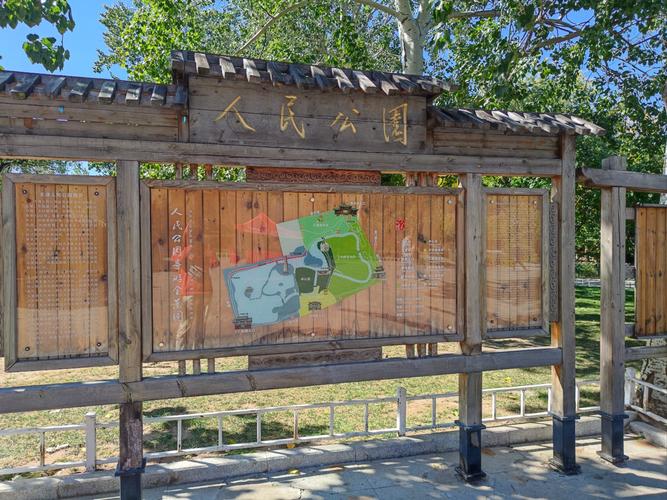 Founded in 1863 during the Tongzhi reign of the Qing dynasty, Tianjin People's Park originated as "Rong Garden," the private retreat of a prosperous salt merchant—comparable in stature to Europe's Gilded Age industrialists who built lavish estates to display their wealth. As Tianjin developed into a major treaty port in the late 19th century, such gardens became symbols of cosmopolitan sophistication. Converted into a public park in 1951, it gained singular prestige in 1954 when Chairman Mao Zedong personally brushwrote its name, making it the only park in China to bear this distinction. The park stands as a rare living relic of a world where merchant fortunes shaped urban landscapes from Shanghai to Manchester.
The park's architectural ensemble represents a masterful example of Qing-era garden design, echoing the refinement of Suzhou's classical gardens while rivaling the romantic follies of European Victorian estates. The 1872 Zhonghe Pagoda—a six-sided, eleven-tiered brick tower—rises dramatically from a rocky island at the lake's heart, reminiscent of Italian campanile silhouettes against a watery horizon. Nearby, the Tibetan Buddhist Xianmi Yuantong Hall and the historic Cangjing Pavilion (once a private library) anchor the grounds, while elegant pavilions and zigzag bridges create the winding, asymmetrical charm typical of Jiangnan-style landscapes, inviting contemplative exploration at every turn.
Beyond its architectural treasures, the park pulses with Tianjin's living cultural traditions. The west-shore Xiangsheng Theater showcases the city's beloved crosstalk comedy at ticket prices locals can afford, while impromptu performances of Peking opera and traditional folk music fill the air—much like a Florentine piazza alive with buskers. Visitors may witness retirees practicing tai chi at dawn, neighbors playing Chinese chess under ancient jujube trees, or community choirs rehearsing favorite folk songs. The Qianshichengyuan teahouse offers a serene Jiangnan-style retreat for sampling local tea amid classical surroundings.
Nature unfolds in seasonal splendor across the park's 3.3-hectare lake and verdant grounds. Centuries-old jujube trees stand sentinel beside the water, while crabapple, rose, and lotus gardens rotate their floral displays through spring and summer. The tranquil "Bamboo Path" channels the hushed atmosphere of a Japanese stroll garden, and pedal boats allow visitors to glide past the central island's poetic vistas. Misty mornings and the warm glow of evening lights reflecting on the lake provide ideal moments for photographers seeking atmospheric shots.
Practical details make visiting effortless. Located at 29 Huizhou Road in Hexi District, the park lies a brief 400-meter walk from Xiawafang Station (Lines 1 and 5), placing it within easy reach of central Tianjin hotels. Admission is free, with gates open daily from approximately 6:30 AM to 10:00 PM. Modern amenities—including a carousel, small animal viewing area, and a new "Health Pi Space" wellness zone—cater to families. For an unhurried visit, enter through the east gate and follow a clockwise route past the pagoda, Buddhist hall, and library, ending at the xiangsheng theater and teahouse; allow 90 minutes to two hours. Early morning or early evening visits avoid midday heat and capture the park at its most atmospheric.
Founded in 1863 during the Tongzhi reign of the Qing dynasty, Tianjin People's Park originated as "Rong Garden," the private retreat of a prosperous salt merchant—comparable in stature to Europe's Gilded Age industrialists who built lavish estates to display their wealth. As Tianjin developed into a major treaty port in the late 19th century, such gardens became symbols of cosmopolitan sophistication. Converted into a public park in 1951, it gained singular prestige in 1954 when Chairman Mao Zedong personally brushwrote its name, making it the only park in China to bear this distinction. The park stands as a rare living relic of a world where merchant fortunes shaped urban landscapes from Shanghai to Manchester.
The park's architectural ensemble represents a masterful example of Qing-era garden design, echoing the refinement of Suzhou's classical gardens while rivaling the romantic follies of European Victorian estates. The 1872 Zhonghe Pagoda—a six-sided, eleven-tiered brick tower—rises dramatically from a rocky island at the lake's heart, reminiscent of Italian campanile silhouettes against a watery horizon. Nearby, the Tibetan Buddhist Xianmi Yuantong Hall and the historic Cangjing Pavilion (once a private library) anchor the grounds, while elegant pavilions and zigzag bridges create the winding, asymmetrical charm typical of Jiangnan-style landscapes, inviting contemplative exploration at every turn.
Beyond its architectural treasures, the park pulses with Tianjin's living cultural traditions. The west-shore Xiangsheng Theater showcases the city's beloved crosstalk comedy at ticket prices locals can afford, while impromptu performances of Peking opera and traditional folk music fill the air—much like a Florentine piazza alive with buskers. Visitors may witness retirees practicing tai chi at dawn, neighbors playing Chinese chess under ancient jujube trees, or community choirs rehearsing favorite folk songs. The Qianshichengyuan teahouse offers a serene Jiangnan-style retreat for sampling local tea amid classical surroundings.
Nature unfolds in seasonal splendor across the park's 3.3-hectare lake and verdant grounds. Centuries-old jujube trees stand sentinel beside the water, while crabapple, rose, and lotus gardens rotate their floral displays through spring and summer. The tranquil "Bamboo Path" channels the hushed atmosphere of a Japanese stroll garden, and pedal boats allow visitors to glide past the central island's poetic vistas. Misty mornings and the warm glow of evening lights reflecting on the lake provide ideal moments for photographers seeking atmospheric shots.
Practical details make visiting effortless. Located at 29 Huizhou Road in Hexi District, the park lies a brief 400-meter walk from Xiawafang Station (Lines 1 and 5), placing it within easy reach of central Tianjin hotels. Admission is free, with gates open daily from approximately 6:30 AM to 10:00 PM. Modern amenities—including a carousel, small animal viewing area, and a new "Health Pi Space" wellness zone—cater to families. For an unhurried visit, enter through the east gate and follow a clockwise route past the pagoda, Buddhist hall, and library, ending at the xiangsheng theater and teahouse; allow 90 minutes to two hours. Early morning or early evening visits avoid midday heat and capture the park at its most atmospheric.