Shenyang Taoli Garden
⭐ 3.80
Northeast side of the intersection of Daoyi South Street and Shenbei Road, Shenbei New District, Shenyang City, Liaoning Province, China
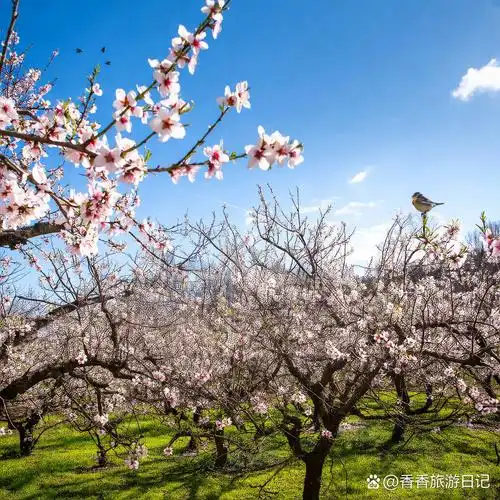 The name "Taoli Garden" draws from one of China's most cherished classical idioms, "桃李满天下" (peaches and plums filling the world), attributed to the Tang Dynasty statesman Bai Juyi and used for over a millennium to honor teachers whose pupils carry their learning far and wide. In Western terms, it parallels the way European universities name quads and courts after virtues—think of Oxford's "Logic Lane" or Cambridge's "Senate House Passage"—where architecture and greenery embody intangible scholarly ideals rather than spectacle. Here in Shenyang, the name signals an intimate bond between educators, students, and place rather than any monumental ambition.
At Liaoning University's Chongshan Campus in Huanggu District, the Taoli Garden designates the student cafeteria and its surrounding landscaped rest area. Functioning primarily as a daily-use campus amenity, the space offers pleasant greenery and shade but little in the way of independent sightseeing merit. It is woven into the rhythm of student life rather than staged for visitors—much like a college refectory courtyard at a British university, charming in context but closed to outsiders without invitation.
The more historically intentional site sits within Shenyang University of Technology's Central Campus, where a 2000-square-meter memorial garden was rebuilt and reopened in 2024 to commemorate institutional heritage and alumni bonds. The garden features pavilions, commemorative walkways, and planted memorial trees, creating a contemplative landscape where returning graduates can retrace youthful footsteps. Think of it as a smaller, more intimate equivalent of an American or British campus "memory grove"—a designed space of remembrance rather than recreation, meaningful to insiders but quiet and modest by tourist standards.
Practical access is the critical point: neither Taoli Garden operates as a public attraction. There are no tickets, guides, gift shops, or visitor centers. Liaoning University's campus generally restricts entry to those with student or staff credentials, while Shenyang University of Technology's memorial garden typically requires advance arrangement through the university's security office or alumni liaison. Travelers hoping to glimpse either should first confirm guest-entry policies via the institutions' official websites, and should carry identification when approaching campus gates.
For travelers seeking meaningful cultural sightseeing in Shenyang, far richer alternatives await nearby. The Qing Zhaoling (North Tomb Park), a UNESCO-recognized mausoleum of the Manchu Qing Dynasty completed in the 17th century, offers grand imperial architecture rivaling parts of Beijing's Ming Tombs. The Shenyang Imperial Palace, the Manchu rulers' first palace before they took Beijing in 1644, predates and complements the Forbidden City. The East Tower Park and Shenyang World Horticultural Exposition Garden provide additional options blending history and landscape.
When photographing on or near Chinese university campuses, visitors should respect restrictions on educational facilities, students' likenesses, and any posted signage. A courteous request before photographing people is always appreciated, and certain secure zones—including labs, libraries, and dormitories—should never be photographed. Observing these courtesies ensures goodwill for future travelers wishing to engage with China's rich academic heritage.
The name "Taoli Garden" draws from one of China's most cherished classical idioms, "桃李满天下" (peaches and plums filling the world), attributed to the Tang Dynasty statesman Bai Juyi and used for over a millennium to honor teachers whose pupils carry their learning far and wide. In Western terms, it parallels the way European universities name quads and courts after virtues—think of Oxford's "Logic Lane" or Cambridge's "Senate House Passage"—where architecture and greenery embody intangible scholarly ideals rather than spectacle. Here in Shenyang, the name signals an intimate bond between educators, students, and place rather than any monumental ambition.
At Liaoning University's Chongshan Campus in Huanggu District, the Taoli Garden designates the student cafeteria and its surrounding landscaped rest area. Functioning primarily as a daily-use campus amenity, the space offers pleasant greenery and shade but little in the way of independent sightseeing merit. It is woven into the rhythm of student life rather than staged for visitors—much like a college refectory courtyard at a British university, charming in context but closed to outsiders without invitation.
The more historically intentional site sits within Shenyang University of Technology's Central Campus, where a 2000-square-meter memorial garden was rebuilt and reopened in 2024 to commemorate institutional heritage and alumni bonds. The garden features pavilions, commemorative walkways, and planted memorial trees, creating a contemplative landscape where returning graduates can retrace youthful footsteps. Think of it as a smaller, more intimate equivalent of an American or British campus "memory grove"—a designed space of remembrance rather than recreation, meaningful to insiders but quiet and modest by tourist standards.
Practical access is the critical point: neither Taoli Garden operates as a public attraction. There are no tickets, guides, gift shops, or visitor centers. Liaoning University's campus generally restricts entry to those with student or staff credentials, while Shenyang University of Technology's memorial garden typically requires advance arrangement through the university's security office or alumni liaison. Travelers hoping to glimpse either should first confirm guest-entry policies via the institutions' official websites, and should carry identification when approaching campus gates.
For travelers seeking meaningful cultural sightseeing in Shenyang, far richer alternatives await nearby. The Qing Zhaoling (North Tomb Park), a UNESCO-recognized mausoleum of the Manchu Qing Dynasty completed in the 17th century, offers grand imperial architecture rivaling parts of Beijing's Ming Tombs. The Shenyang Imperial Palace, the Manchu rulers' first palace before they took Beijing in 1644, predates and complements the Forbidden City. The East Tower Park and Shenyang World Horticultural Exposition Garden provide additional options blending history and landscape.
When photographing on or near Chinese university campuses, visitors should respect restrictions on educational facilities, students' likenesses, and any posted signage. A courteous request before photographing people is always appreciated, and certain secure zones—including labs, libraries, and dormitories—should never be photographed. Observing these courtesies ensures goodwill for future travelers wishing to engage with China's rich academic heritage.