Racecourse
⭐ 3.80
Racecourse Scenic Area, Fuyun County, Altay Prefecture, Xinjiang Uyghur Autonomous Region, China
 The Altay region's equestrian culture stretches back well over a thousand years, rooted in the nomadic Kazakh tradition that has long dominated the Eurasian steppes. Kazakh peoples are often called "the nation on horseback," and their riding customs share deep ancestry with the horse cultures of Central Asia, Mongolia, and even the Scythian riders who impressed Herodotus in the 5th century BCE. Competitions like *diao yang*—where riders wrestle for a headless goat carcass—and slow-paced walk-races, where gait and obedience matter more than speed, are living echoes of traditions that once spanned the entire Silk Road corridor.
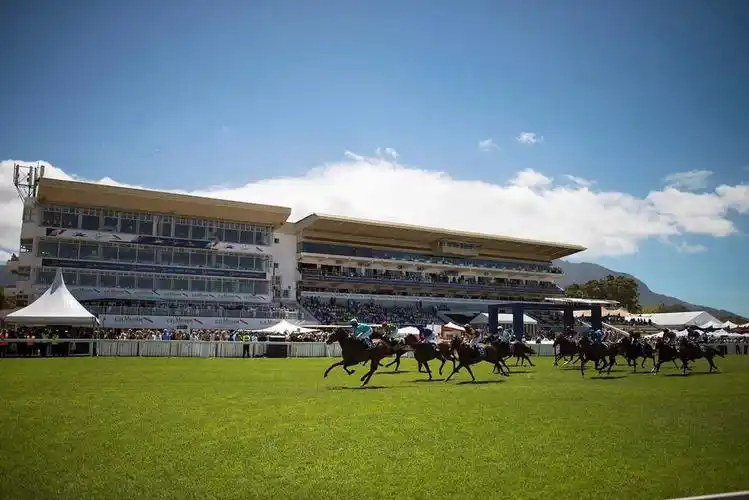
The principal venue, the Fuyun County Racecourse, sits along Provincial Route S226 and spans roughly 100 hectares. It features a 1.6 to 1.8-kilometer international-standard track and has been classified as a National AAAA-level scenic site. Each May, the "Golden Steed Race Meeting" draws riders from across the region in a spectacle reminiscent of England's Royal Ascot, though here the silks are swapped for embroidered Kazakh robes and the grandstand overlooks steppe rather than manicured lawns.
The newest addition is Habahe County's Snowfield Galloping Horse Park, opened in August 2025 across more than a thousand acres. Boasting modern stables and tiered spectator seating, it gained widespread fame after featuring in the hit television series *My Altay*. Its combined competition-and-experience model has made it a pilgrimage site for fans of the show, much as Highclere Castle draws devotees of *Downton Abbey*—an unlikely but effective marriage of pop culture and heritage tourism.
For travelers seeking a gentler pace, the Altay City Equestrian Bases—run by outfits such as the Tainong Group—specialize in slow riding, horseback gymnastics, and winter horse-drawn sleighing across 1,200 to 1,500-meter training tracks. These venues cater to families and school groups, offering immersive cultural programs that pair well with a morning on the slopes at nearby ski resorts. During major holidays, temporary arenas in Burqin and Fuhun counties stage authentic *diao yang* and speed races, providing additional chances to catch the action.
Practical advice: always book through licensed equestrian centers and ride with certified instructors, particularly if you are a beginner. The prime visiting windows are May through August, when race meetings cluster, and December through February for the magical snow-horse season—check local cultural-tourism bulletins for current event schedules. Pair the Fuyun racecourse with a visit to the spectacular Koktokay National Geopark, or combine Habahe with a stop at Kanas Lake, one of China's most celebrated alpine landscapes. Western visitors will find the experience a refreshing counterpoint to Europe's polo clubs and Spanish riding schools—rawer, older, and set against some of Central Asia's most dramatic scenery.
The Altay region's equestrian culture stretches back well over a thousand years, rooted in the nomadic Kazakh tradition that has long dominated the Eurasian steppes. Kazakh peoples are often called "the nation on horseback," and their riding customs share deep ancestry with the horse cultures of Central Asia, Mongolia, and even the Scythian riders who impressed Herodotus in the 5th century BCE. Competitions like *diao yang*—where riders wrestle for a headless goat carcass—and slow-paced walk-races, where gait and obedience matter more than speed, are living echoes of traditions that once spanned the entire Silk Road corridor.
The principal venue, the Fuyun County Racecourse, sits along Provincial Route S226 and spans roughly 100 hectares. It features a 1.6 to 1.8-kilometer international-standard track and has been classified as a National AAAA-level scenic site. Each May, the "Golden Steed Race Meeting" draws riders from across the region in a spectacle reminiscent of England's Royal Ascot, though here the silks are swapped for embroidered Kazakh robes and the grandstand overlooks steppe rather than manicured lawns.
The newest addition is Habahe County's Snowfield Galloping Horse Park, opened in August 2025 across more than a thousand acres. Boasting modern stables and tiered spectator seating, it gained widespread fame after featuring in the hit television series *My Altay*. Its combined competition-and-experience model has made it a pilgrimage site for fans of the show, much as Highclere Castle draws devotees of *Downton Abbey*—an unlikely but effective marriage of pop culture and heritage tourism.
For travelers seeking a gentler pace, the Altay City Equestrian Bases—run by outfits such as the Tainong Group—specialize in slow riding, horseback gymnastics, and winter horse-drawn sleighing across 1,200 to 1,500-meter training tracks. These venues cater to families and school groups, offering immersive cultural programs that pair well with a morning on the slopes at nearby ski resorts. During major holidays, temporary arenas in Burqin and Fuhun counties stage authentic *diao yang* and speed races, providing additional chances to catch the action.
Practical advice: always book through licensed equestrian centers and ride with certified instructors, particularly if you are a beginner. The prime visiting windows are May through August, when race meetings cluster, and December through February for the magical snow-horse season—check local cultural-tourism bulletins for current event schedules. Pair the Fuyun racecourse with a visit to the spectacular Koktokay National Geopark, or combine Habahe with a stop at Kanas Lake, one of China's most celebrated alpine landscapes. Western visitors will find the experience a refreshing counterpoint to Europe's polo clubs and Spanish riding schools—rawer, older, and set against some of Central Asia's most dramatic scenery.