Mount Qipan
⭐ 4.50
Qipanshan Scenic Area, Shenyang, Liaoning, China
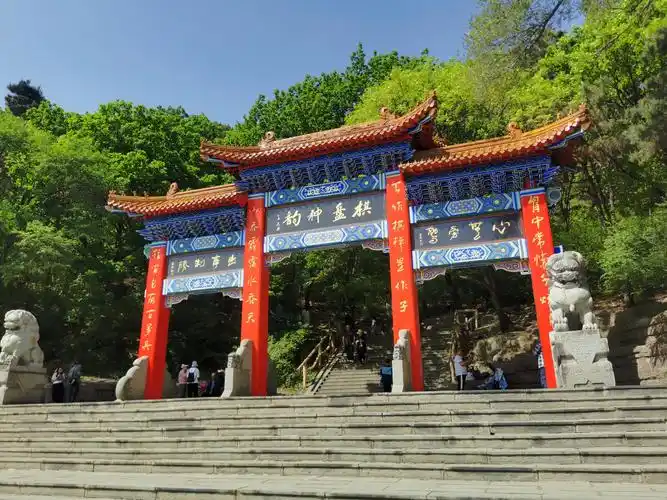 Qipan Mountain lies in the northeastern outskirts of Shenyang, the historic capital of Manchuria and once the seat of the Qing Dynasty's early emperors before they moved the court to Beijing. The range forms part of the Hada Ridge, an extension of the Changbai mountain system, the same volcanic spine that runs through the Korean Peninsula. The three peaks—Qipan, Hui, and Dayang—encircle Xiuhu (Beauty Lake), whose outline naturally resembles the Chinese ideogram for elegance. With over 54% forest coverage and air ion levels ranking highest in Shenyang, the area provides a rare green escape from industrial northeastern China, reminiscent of the protected woodlands surrounding European capitals such as Vienna's Wienerwald or the forests edging Stockholm.
The mountain's seasonal character rivals that of Japan's Nikko or Switzerland's alpine resorts. Spring brings lotus blossoms shimmering on warm ponds; summer offers cool retreats beneath the forest canopy, with temperatures noticeably lower than in the city below. Autumn transforms the slopes into a tapestry of crimson maples—comparable to New England's fall foliage but on a more intimate scale. Winter reveals the celebrated "Hui Mountain Sunny Snow," one of the original "Eight Views of Shengjing" (the old Manchu name for Shenyang), a tradition parallel to China's classical landscape canons such as the "Eight Views of the Xiao and Xiang Rivers" that inspired similar artistic conventions across East Asia for centuries.
The on-site Shenyang Forest Wildlife Park houses over one hundred rare species, including giant pandas and Siberian tigers, drawing families from across Liaoning Province. Nearby, the former Guandong Film Studio has been reborn as "Northeast Has Drama," an immersive performance district staging more than two hundred daily shows that recreate Republican-era street life—an experience comparable to a living museum but infused with distinctly Manchu flavor. History enthusiasts can visit the Shitaizi Mountain Fortress, a nationally protected Koguryo-era citadel from the 4th–7th centuries, predating the Tang Dynasty and offering a glimpse into the kingdom that once rivaled imperial China, much like the ancient fortress complexes dotted along the Caucasus.
From December through February, Qipan Mountain hosts its renowned Ice and Snow Festival, hailed as the "first stop for Northeast winter tourism." Visitors can ski, sled, and admire ice sculptures at the massive Ice World complex, comparable in scale to Harbin's famous festival but with smaller crowds. The main scenic area is free to enter, though individual attractions charge fees; combo tickets purchased online save money. Driving is recommended, as the lakeside ring road offers ample parking; bus 168 also reaches the site. Most travelers enter through the South Gate and follow a logical five-to-six-hour route: boat cruise, Hui Mountain summit, wildlife park, then film district. Bring water and snacks, and confirm opening status before visiting.
Qipan Mountain lies in the northeastern outskirts of Shenyang, the historic capital of Manchuria and once the seat of the Qing Dynasty's early emperors before they moved the court to Beijing. The range forms part of the Hada Ridge, an extension of the Changbai mountain system, the same volcanic spine that runs through the Korean Peninsula. The three peaks—Qipan, Hui, and Dayang—encircle Xiuhu (Beauty Lake), whose outline naturally resembles the Chinese ideogram for elegance. With over 54% forest coverage and air ion levels ranking highest in Shenyang, the area provides a rare green escape from industrial northeastern China, reminiscent of the protected woodlands surrounding European capitals such as Vienna's Wienerwald or the forests edging Stockholm.
The mountain's seasonal character rivals that of Japan's Nikko or Switzerland's alpine resorts. Spring brings lotus blossoms shimmering on warm ponds; summer offers cool retreats beneath the forest canopy, with temperatures noticeably lower than in the city below. Autumn transforms the slopes into a tapestry of crimson maples—comparable to New England's fall foliage but on a more intimate scale. Winter reveals the celebrated "Hui Mountain Sunny Snow," one of the original "Eight Views of Shengjing" (the old Manchu name for Shenyang), a tradition parallel to China's classical landscape canons such as the "Eight Views of the Xiao and Xiang Rivers" that inspired similar artistic conventions across East Asia for centuries.
The on-site Shenyang Forest Wildlife Park houses over one hundred rare species, including giant pandas and Siberian tigers, drawing families from across Liaoning Province. Nearby, the former Guandong Film Studio has been reborn as "Northeast Has Drama," an immersive performance district staging more than two hundred daily shows that recreate Republican-era street life—an experience comparable to a living museum but infused with distinctly Manchu flavor. History enthusiasts can visit the Shitaizi Mountain Fortress, a nationally protected Koguryo-era citadel from the 4th–7th centuries, predating the Tang Dynasty and offering a glimpse into the kingdom that once rivaled imperial China, much like the ancient fortress complexes dotted along the Caucasus.
From December through February, Qipan Mountain hosts its renowned Ice and Snow Festival, hailed as the "first stop for Northeast winter tourism." Visitors can ski, sled, and admire ice sculptures at the massive Ice World complex, comparable in scale to Harbin's famous festival but with smaller crowds. The main scenic area is free to enter, though individual attractions charge fees; combo tickets purchased online save money. Driving is recommended, as the lakeside ring road offers ample parking; bus 168 also reaches the site. Most travelers enter through the South Gate and follow a logical five-to-six-hour route: boat cruise, Hui Mountain summit, wildlife park, then film district. Bring water and snacks, and confirm opening status before visiting.