Urumqi Museum
⭐ 4.20
No. 219, Jiefang South Road, Tianshan District, Urumqi City, Xinjiang Uyghur Autonomous Region, China
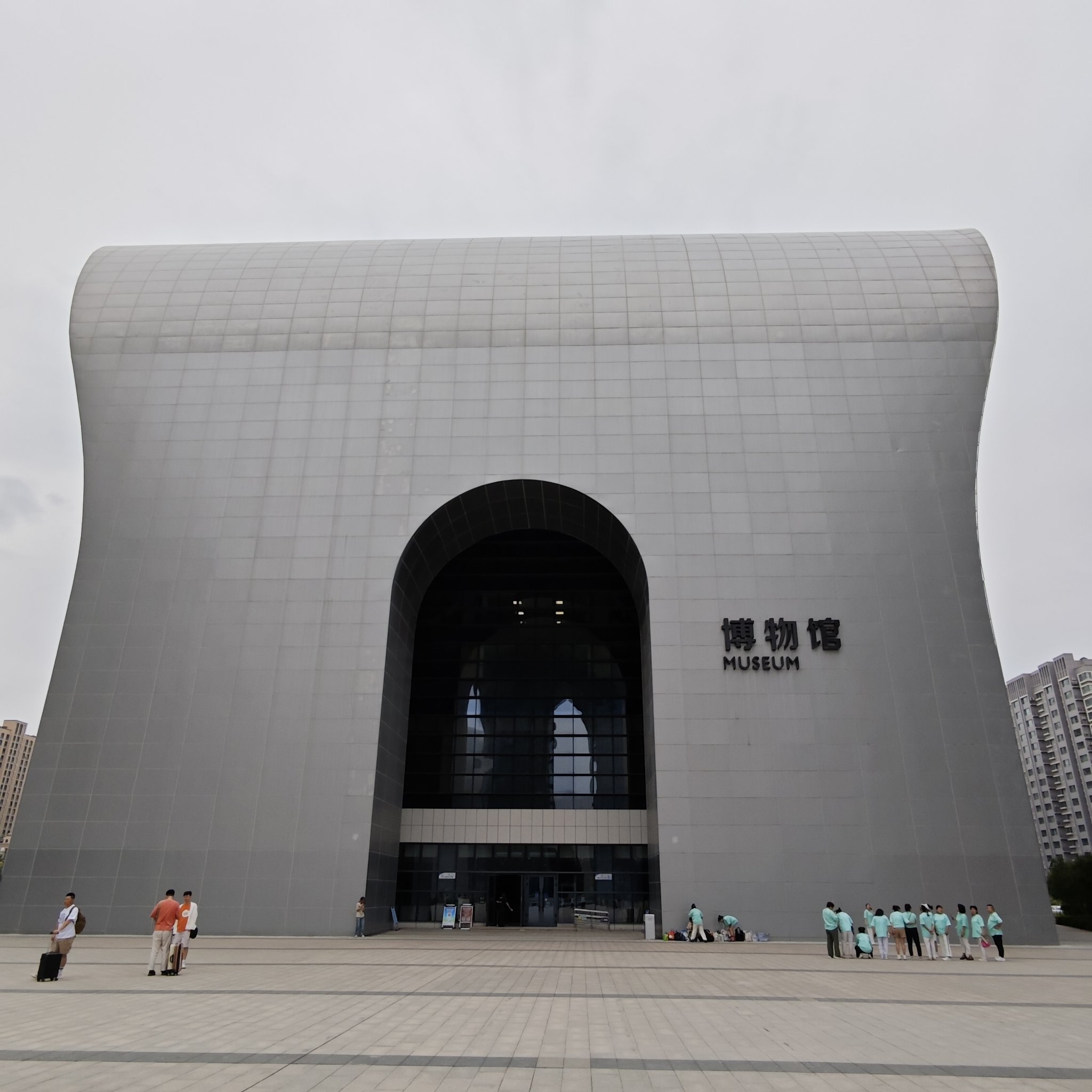 Occupying the second pavilion of the Urumqi Cultural Center in the Shuimogou District, this 8,500-square-meter museum unfolds across five floors and houses some 14,000 artifacts. Like a miniature Silk Road Versailles of memory, it tells the urban saga from prehistoric settlements through the Qing-era frontier garrison town of "Dihua" to today's bustling capital of Xinjiang. The Ural Pottery and Jintang Yonggu stele offer tangible links to the multicultural crossroads where Han, Uyghur, Hui, and Kazakh communities have traded and mingled for two millennia — comparable in scope, though not in age, to the historical storytelling found at London's Museum of London.
The museum's signature feature is its immersive scene recreation, which rivals the theatrical settings of Stockholm's Skansen open-air museum. Visitors wander through a faithful reproduction of the Qing "Great Cross" street, Sichuan and Jiangzhe guildhalls, an old photo studio, and a vintage cinema, occasionally encountering costumed actors who bring the streetscape to life. These Instagram-worthy tableaux capture the cosmopolitan flavor of old Urumqi, when caravans from Kashgar and merchants from Moscow converged on the bazaars.
Beyond the atmospheric reconstructions, the galleries trace a continuous historical narrative from pre-Qin antiquity through the Republican era. The fourth-floor "Homeland Memories" exhibition focuses on everyday life and childhood nostalgia, featuring touchable objects and interactive displays that delight younger visitors. Think of it as China's answer to Europe's social-history museums, where household items, shop signs, and personal photographs matter as much as imperial treasures.
Practical visiting information is straightforward: admission is free, no advance reservation required, just scan your passport at the entrance. The museum operates Tuesday through Sunday from 10:30 a.m. to 7:00 p.m. (last entry 6:30 p.m.) and closes on Mondays. A typical visit takes 1.5 to 2.5 hours, with on-site convenience stores, a café, and free rest areas making the pace relaxed. Expect English signage to be limited — a translation app is helpful.
Combine your visit with the neighboring Xinjiang Art Museum and Intangible Cultural Heritage Museum, all housed within the same architectural complex, to fill a rewarding half-day of culture. For travelers craving world-class treasures, the Xinjiang Uyghur Autonomous Region Museum lies a short ride away, guarding headline pieces like the "Five Stars Rising in the East" Han dynasty brocade and the famous Loulan Beauty mummy — exhibits that place this Silk Road heartland squarely on the world-archaeology map.
The museum rewards anyone curious about how a remote desert trading post became a modern Chinese metropolis. It is especially recommended for families, vintage-culture enthusiasts, and travelers who want context before venturing into the surrounding mountains, pastures, and Uyghur old quarters of Xinjiang's captivating capital.
Occupying the second pavilion of the Urumqi Cultural Center in the Shuimogou District, this 8,500-square-meter museum unfolds across five floors and houses some 14,000 artifacts. Like a miniature Silk Road Versailles of memory, it tells the urban saga from prehistoric settlements through the Qing-era frontier garrison town of "Dihua" to today's bustling capital of Xinjiang. The Ural Pottery and Jintang Yonggu stele offer tangible links to the multicultural crossroads where Han, Uyghur, Hui, and Kazakh communities have traded and mingled for two millennia — comparable in scope, though not in age, to the historical storytelling found at London's Museum of London.
The museum's signature feature is its immersive scene recreation, which rivals the theatrical settings of Stockholm's Skansen open-air museum. Visitors wander through a faithful reproduction of the Qing "Great Cross" street, Sichuan and Jiangzhe guildhalls, an old photo studio, and a vintage cinema, occasionally encountering costumed actors who bring the streetscape to life. These Instagram-worthy tableaux capture the cosmopolitan flavor of old Urumqi, when caravans from Kashgar and merchants from Moscow converged on the bazaars.
Beyond the atmospheric reconstructions, the galleries trace a continuous historical narrative from pre-Qin antiquity through the Republican era. The fourth-floor "Homeland Memories" exhibition focuses on everyday life and childhood nostalgia, featuring touchable objects and interactive displays that delight younger visitors. Think of it as China's answer to Europe's social-history museums, where household items, shop signs, and personal photographs matter as much as imperial treasures.
Practical visiting information is straightforward: admission is free, no advance reservation required, just scan your passport at the entrance. The museum operates Tuesday through Sunday from 10:30 a.m. to 7:00 p.m. (last entry 6:30 p.m.) and closes on Mondays. A typical visit takes 1.5 to 2.5 hours, with on-site convenience stores, a café, and free rest areas making the pace relaxed. Expect English signage to be limited — a translation app is helpful.
Combine your visit with the neighboring Xinjiang Art Museum and Intangible Cultural Heritage Museum, all housed within the same architectural complex, to fill a rewarding half-day of culture. For travelers craving world-class treasures, the Xinjiang Uyghur Autonomous Region Museum lies a short ride away, guarding headline pieces like the "Five Stars Rising in the East" Han dynasty brocade and the famous Loulan Beauty mummy — exhibits that place this Silk Road heartland squarely on the world-archaeology map.
The museum rewards anyone curious about how a remote desert trading post became a modern Chinese metropolis. It is especially recommended for families, vintage-culture enthusiasts, and travelers who want context before venturing into the surrounding mountains, pastures, and Uyghur old quarters of Xinjiang's captivating capital.