Hubu Lane

⭐ 3.20

Hubu Lane, Wuchang District, Wuhan City, Hubei Province, China
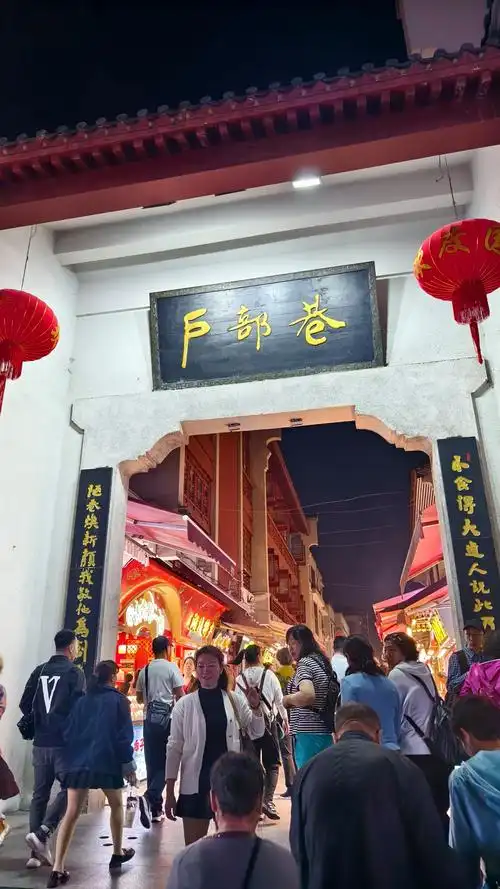
Hubu Lane
Hubu Lane traces its origins to the Ming Dynasty (1368–1644), a period contemporary with the late Italian Renaissance and Tudor England—predating Shakespeare's birth by roughly a century. Its current name emerged during the Qing Dynasty (1644–1912), when a finance office responsible for tax collection stood at the alley's southern gate. For over four centuries, this modest passage has functioned as a bustling marketplace, witnessing Wuchang's evolution from imperial outpost to a teeming metropolis of over ten million people. The lane offers travelers a tangible connection to old China, much like London's Borough Market or Munich's Viktualienmarkt, both of which preserve centuries of culinary heritage amid urban transformation. The lane stretches approximately 150 meters between Minzhu Road and Ziyou Road, a narrow corridor flanked by traditional storefronts interspersed with painted murals and weathered wooden signage. More than 300 vendors pack the compact space, creating a sensory overload of sizzling woks, fragrant steam, and shouted orders. While many structures have been modernized, red lanterns, decorative archways, and calligraphy-decorated walls preserve the alley's old-world charm. The atmosphere evokes a medieval European market street—imagine Florence's Mercato Centrale merged with a Beijing hutong—where centuries-old recipes meet twenty-first-century crowds in joyful collision. Hubu Lane is the beating heart of Wuhan's celebrated "guo zao" culture, the local obsession with hearty breakfasts consumed outdoors before dawn. Signature dishes include re gan mian (noodles tossed in sesame paste), san xian dou pi (crispy rice cakes layered with glutinous rice, mushrooms, and pork), hu tang fen (rice noodles in rich fish broth), and nuomi bao youtiao (glutinous rice rolls stuffed with fried dough). While many stalls offer tourist-friendly versions, the lane remains an accessible gateway to a culinary tradition that locals have practiced for generations—a kind of Chinese answer to Spain's tapas culture or Italy's morning espresso ritual. Plan your visit strategically. Early morning (6–9 AM) brings authentic breakfast vibes when locals grab noodles before work, while evenings transform the alley into a glowing night market. Most vendors accept only Alipay or WeChat Pay, so configure these apps on your phone beforehand or carry small bills. English is rarely spoken, so a translation app proves invaluable. Expect mid-range prices that run higher than neighborhood spots, and clarify portions in advance—"one serving" can mean different weights depending on the vendor. Flavors tend toward spicy, oily, and salty, so those with sensitive stomachs should pace themselves carefully. Hubu Lane's strategic location makes it ideal for a half-day "food plus history" itinerary. From the southern entrance, the legendary Yellow Crane Tower—a Tang Dynasty–era poetic landmark immortalized by the poet Li Bai—rises just steps away, while the colossal Yangtze River Bridge spans the mighty river nearby. Climbing the tower at sunset offers panoramic views that connect directly with the alley's lantern-lit bustle below. Adventurous eaters seeking more authentic, less commercialized flavors should detour to Liangdao Street or Wansongyuan, beloved by local residents. Combined with the nearby Tanhualin artistic district, Hubu Lane anchors a wonderfully walkable exploration of Wuhan's past and present.

Traveler reviews

- **For tourists:** Absolutely yes. If it's your first time in Wuhan and you want a quick crash course in local snacks and street cultur...
⭐ 5 · Sam Expand
**Is it worth going?** Honestly, it...
⭐ 5 · Drew Expand