Wuhan East Lake

⭐ 4.70

No. 18, Cuiliu Village, East Lake, Wuchang District, Wuhan, Hubei, China
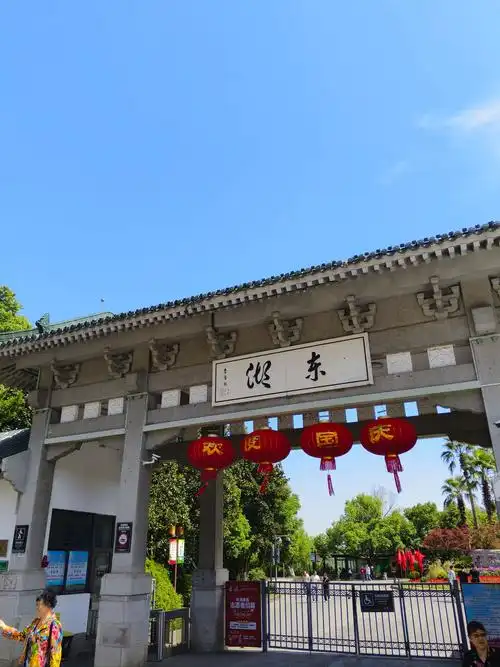
Wuhan East Lake
East Lake's history stretches back to pre-Qin antiquity, when this corner of the legendary Yunmeng Marshes featured in China's earliest literary traditions. The great poet Qu Yuan—often compared to Homer or Virgil for his foundational influence on world literature—wandered these shores composing "Li Sao," one of Chinese poetry's supreme masterpieces. The Xingyin Pavilion honors his memory today. Throughout the centuries, literary giants from Li Bai to Bai Juyi were drawn here, weaving East Lake into the fabric of classical Chinese verse. The lake divides into five scenic districts: Tingtao, Moshan, Luoyan, Chuidi, and Baima. Tingtao showcases classical Chu-style gardens where pavilions and the Qu Yuan Memorial Hall nestle among dawn redwoods. Moshan, the cultural heart, features the towering Chutian Platform and imposing Chu City Gate—structures recalling the ceremonial grandeur of ancient state architecture. From its heights, the entire 33-square-kilometer lake unfurls like a living scroll. The 102-kilometer greenway encircling the lake ranks among the world's premier urban cycling and jogging paths, threading through cherry groves, lotus ponds, and cedar forests. Cultural amenities include the "Eye of East Lake" Ferris wheel, a sandy beach complex, and a sculpture garden featuring characters from Chinese fables—offering family-friendly diversions. Island-dotted waters host boat cruises, with evening tours delivering particularly romantic experiences as city lights shimmer on the surface. Most of the park is free to access, though Luoyan district charges a modest 13-yuan entrance fee; individual attractions have separate costs. The easiest access is via Metro Line 8 to Liyuan Station, which enters Tingtao district directly. Given the vast scale, combining metro, sightseeing buses, shared bicycles, and boat rides is strongly recommended. The nearby Hubei Provincial Museum, home to spectacular Bronze Age artifacts including the Marquis Yi of Zeng bell-bronze ensemble, makes an ideal cultural companion visit. Spring and autumn represent the prime visiting windows—March through May brings cascading cherry and azalea blooms, while September through November offers temperate weather and osmanthus fragrance perfuming the lakeside air. Though summers can be hot, sunrise at Lingbo Gate and evening beach sessions have their devoted fans. Visitors should avoid weekends and holidays when possible; early morning arrivals ensure quieter, more contemplative experiences. East Lake rewards travelers seeking to understand Wuhan's character—where ancient poetic tradition meets contemporary urban vitality in one of China's most expansive green spaces.

Traveler reviews

Totally agree! Chengdu's Donghu Park deserves five stars. It's like a "green lung" right in the heart of the city, and honestly works for whatever you're in the moo...
⭐ 5 · Sam Expand
Donghu has been a favorite hangout for poets and even royalty throughout Chinese history. Qu Yuan supposedly wandered and composed poetry along these shores, and you can almost hear the verses echoing over the water. King Zhuang of Chu once rallied his troops with war drums here. During the Three Kingdoms period, Liu Bei held ceremonies on Moshan...
⭐ 5 · Hayden Expand