China National Tea Museum

⭐ 4.20

No. 1, Chazhen Road, Sandun Town, Xihu District, Hangzhou, Zhejiang, China
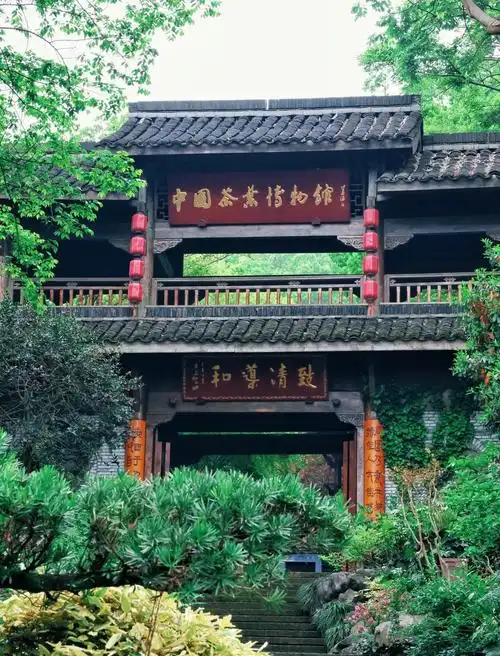
China National Tea Museum
The China National Tea Museum, founded in 1991 and elevated to national first-grade museum status in 2020, stands as the world's foremost institution devoted to a single beverage. Its narrative spans from the mythical Emperor Shennong, who legend credits with discovering tea some 5,000 years ago, through the Tang Dynasty tea competitions immortalized in Lu Yu's "Classic of Tea" (the world's earliest monograph on the subject, predating European coffeehouse culture by centuries) to modern tea science. Like the great botanical museums of Kew or Paris, it contextualizes an agricultural product within the sweep of human civilization, while also showcasing rarities such as monumental compressed tea bricks. Architecturally, the museum is split into two complementary sites linked by the historic "Qianlong Imperial Path," once trodden by the Qing dynasty ruler on his pilgrimages to the famed Dragon Well tea terraces. The Shuangfeng (Twin Peaks) campus, opened in 1991, evokes a classic Jiangnan garden in the manner of Suzhou's humble retreats, whitewashed walls, dark-tiled eaves, koi ponds, and winding paths where classical Chinese aesthetics meet pastoral serenity. The newer Longjing campus, opened in 2015 and built into the hillside itself, offers a more contemporary dialogue between structure and landscape, rewarding visitors with sweeping views over West Lake and the surrounding tea terraces. Culturally, the museum functions as both repository and living workshop. The Shuangfeng halls house an extraordinary collection of Song dynasty tea bowls, Yixing purple clay teapots prized by collectors across East Asia, and the celebrated Tea Essence Hall displaying oversized compressed tea bricks. Meanwhile, the Longjing campus focuses on intangible heritage, including hand-rolling techniques for Dragon Well green tea, and hosts tea-ceremony performances alongside the popular "Six Flavors of Chinese Tea" tasting workshops, where visitors can steep and compare green, yellow, white, oolong, black, and post-fermented teas side by side. Practical details are straightforward but require advance planning. Admission is free, though reservations must be made one to four days ahead through the official WeChat account or website. Opening hours run Tuesday through Sunday from 9:00 a.m. to 4:30 p.m. (last entry at 4:15), with Mondays closed except during public holidays. The information line is 0571-87964221. Travelers should allow three to four hours for both campuses and wear comfortable flat shoes, as the Longjing site involves some uphill walking. To reach the museum, take bus 27 or 87 from central Hangzhou, or a short taxi ride will deliver you to the western hills of the West Lake scenic area. Driving is discouraged on holidays, when parking becomes scarce. For photographers and tea lovers alike, aim for a clear morning, when soft light bathes the terraced fields and the aroma of freshly picked leaves drifts across the gardens, a moment as evocative as any stroll through Tuscany's vineyards or Darjeeling's hill stations. The Shuangfeng campus, richer in exhibits, deserves priority if time is limited.

Traveler reviews

**Green tea** – Unfermented. Made by fixing, rolling, and drying. Bright green color, clear liquor, fresh and cris...
⭐ 5 · Parker Expand
The museum starts by introducing Chinese tea itself with that beautiful line: *“In the south grows a noble tree, in the north there’s longing. The noble tree can be broken by wi...
⭐ 5 · Parker Expand