Xinxiang City Cultural Center
⭐ 3.80
Binzhou City, Shandong Province, China
 Located on the north bank of the Yellow River, Xinxiang sits at the heart of the Central Plains (Zhongyuan), a region often regarded as the cradle of Chinese civilization. The area has been continuously inhabited for over 3,000 years and was a vital hub during the Shang, Zhou, and Han dynasties. Comparable in historical weight to Tuscany's role in Renaissance Italy, this stretch of China produced the oracle bone script, laid the philosophical foundations of Confucianism, and nurtured a folk-art tradition that has endured through imperial dynasties and modern revolutions alike. The cultural center acts as a contemporary guardian of that legacy.
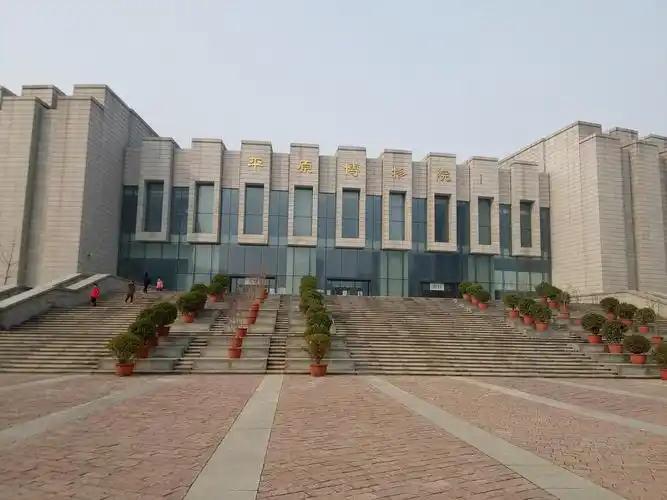
Architecturally, the center follows the clean, functional lines typical of modern Chinese civic buildings of the 2010s and 2020s—unfussy concrete and glass volumes prioritizing light and accessibility over ornamentation. Inside, the layout is intuitive: an Intangible Heritage Hall showcasing regional handicrafts such as paper-cutting, clay sculpture, and textile work; broad exhibition corridors for calligraphy, ink paintings, and photography; a versatile performance auditorium; and dedicated classroom spaces for community workshops. The design ethos echoes the democratic spirit of a European Stadtmuseum or London's Barbican Centre, where public culture is meant to be lived, not merely observed.
Culturally, the center functions as Xinxiang's primary vehicle for preserving folk arts that risk fading in an increasingly urbanized China. Staff collect, document, and research regional traditions while staging lively public events—heritage fairs, seasonal festivals, and concerts of traditional music that draw multigenerational crowds. For visitors, it offers a rare chance to see artisans at work and to understand how a Han Chinese heartland city negotiates the balance between modernization and ancestral memory.
Practical visits are straightforward: admission is free, and the venue is typically open Tuesday through Sunday, with Mondays reserved for maintenance. Visitors should consult the official website or WeChat public account for current hours and event schedules, as some workshops require advance registration with a Chinese ID. Signage is predominantly in Mandarin, so a translation app is highly recommended for non-Chinese speakers. Allow one to two hours for a relaxed visit.
The Xinxiang Cultural Center pairs naturally with the nearby Pingyuan Museum, which houses archaeological treasures from the Central Plains, offering a fuller picture of the region's layered past. Photography enthusiasts should watch for themed exhibitions, while families traveling with children will find holiday craft workshops especially rewarding. For any traveler curious about the everyday cultural life of inland China—beyond the headline sites of Beijing and Xi'an—this unassuming civic institution is well worth an afternoon.
Located on the north bank of the Yellow River, Xinxiang sits at the heart of the Central Plains (Zhongyuan), a region often regarded as the cradle of Chinese civilization. The area has been continuously inhabited for over 3,000 years and was a vital hub during the Shang, Zhou, and Han dynasties. Comparable in historical weight to Tuscany's role in Renaissance Italy, this stretch of China produced the oracle bone script, laid the philosophical foundations of Confucianism, and nurtured a folk-art tradition that has endured through imperial dynasties and modern revolutions alike. The cultural center acts as a contemporary guardian of that legacy.
Architecturally, the center follows the clean, functional lines typical of modern Chinese civic buildings of the 2010s and 2020s—unfussy concrete and glass volumes prioritizing light and accessibility over ornamentation. Inside, the layout is intuitive: an Intangible Heritage Hall showcasing regional handicrafts such as paper-cutting, clay sculpture, and textile work; broad exhibition corridors for calligraphy, ink paintings, and photography; a versatile performance auditorium; and dedicated classroom spaces for community workshops. The design ethos echoes the democratic spirit of a European Stadtmuseum or London's Barbican Centre, where public culture is meant to be lived, not merely observed.
Culturally, the center functions as Xinxiang's primary vehicle for preserving folk arts that risk fading in an increasingly urbanized China. Staff collect, document, and research regional traditions while staging lively public events—heritage fairs, seasonal festivals, and concerts of traditional music that draw multigenerational crowds. For visitors, it offers a rare chance to see artisans at work and to understand how a Han Chinese heartland city negotiates the balance between modernization and ancestral memory.
Practical visits are straightforward: admission is free, and the venue is typically open Tuesday through Sunday, with Mondays reserved for maintenance. Visitors should consult the official website or WeChat public account for current hours and event schedules, as some workshops require advance registration with a Chinese ID. Signage is predominantly in Mandarin, so a translation app is highly recommended for non-Chinese speakers. Allow one to two hours for a relaxed visit.
The Xinxiang Cultural Center pairs naturally with the nearby Pingyuan Museum, which houses archaeological treasures from the Central Plains, offering a fuller picture of the region's layered past. Photography enthusiasts should watch for themed exhibitions, while families traveling with children will find holiday craft workshops especially rewarding. For any traveler curious about the everyday cultural life of inland China—beyond the headline sites of Beijing and Xi'an—this unassuming civic institution is well worth an afternoon.