Shibaogou
⭐ 3.20
Shibaogou, Weihui City, Xinxiang City, Henan Province, China
 **Ancient Origins and Primate Legacy**
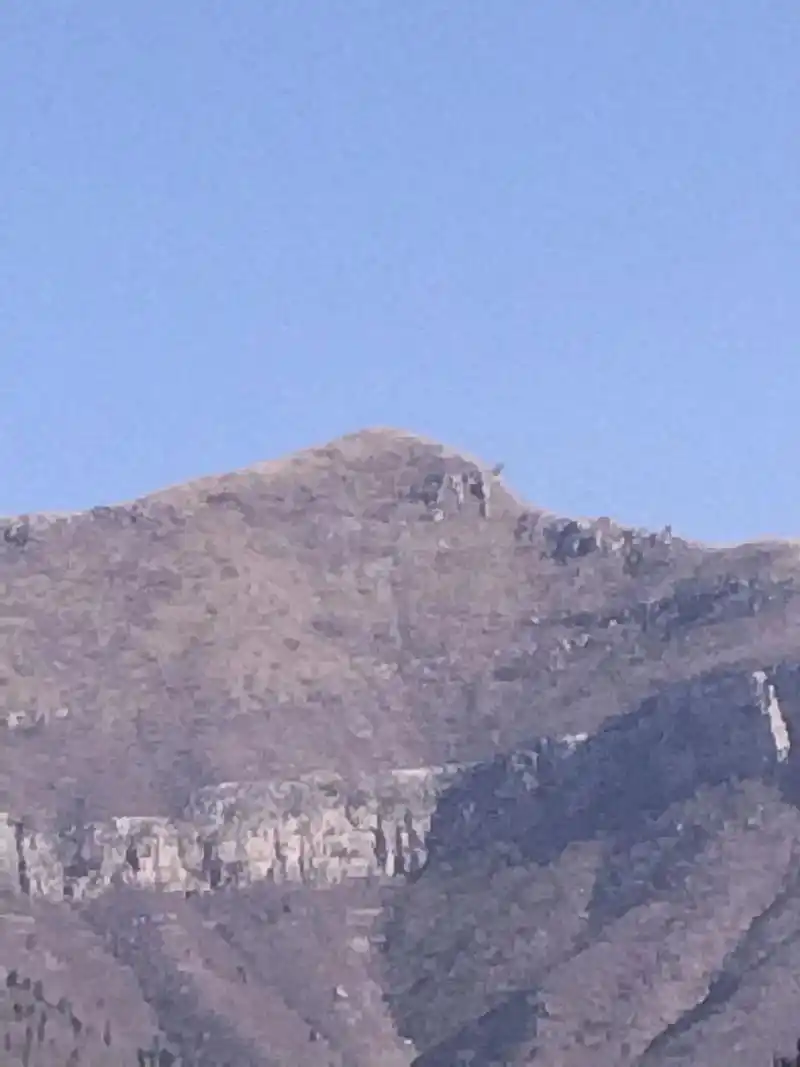
Yuanhou Gou takes its name from a nearby cave where paleontologists unearthed fossil remains of an ancient primate species dating back roughly 2.6 million years, placing the site alongside other celebrated early-hominid discoveries such as those in East Africa's Rift Valley. Set in the rugged heart of the Taihang range, the village sits within a four-kilometer mountain valley about 23–30 kilometers from Weihui city. This combination of geological antiquity and living cultural heritage earned it official recognition as a National Traditional Village of China.
**Ming-Qing Stone Architecture**
The village's architectural ensemble recalls the stone hamlets of the Italian Apennines or the granite villages of Portugal's northern highlands. Houses are dry-laid from local Taihang granite blocks quarried directly from surrounding cliffs, topped with grey clay tiles and punctuated by carved wooden lattice windows. Laid out in classic siheyuan (courtyard) clusters cascading up both sides of the valley, these structures have weathered four centuries of monsoon rains yet remain fully inhabited, offering visitors an unusually intact window into pre-modern mountain life.
**Living Heritage and Local Life**
Unlike museum villages, Yuanhou Gou remains a functioning community, where farmers still tend terraced plots and elderly residents gather along the stream. Stone lanes and worn staircases wind between houses, creating photogenic compositions beloved by Chinese landscape photographers. Several family-run guesthouses offer simple home-cooked meals and overnight stays, allowing travelers to experience the rhythms of rural Taihang hospitality at its most genuine.
**Revolutionary History**
The surrounding Lion-Leopard Ridge Township played a notable role in the Anti-Japanese War (1937–1945). Nearby visitors can trace the former headquarters of Commander Pi Dingjun's guerrilla forces, an old mountain fortress with three stone pagodas at Dinggou, and surviving anti-Japanese gun emplacements. This juxtaposition of vernacular Ming-Qing architecture with sites of 20th-century resistance adds a poignant historical layer, comparable to visiting ancient French villages scarred by wartime memory.
**Practical Visitor Information**
Entry is free year-round, with no admission gate. The best travel season runs from April through October, though June to August delivers the coolest temperatures, often 5–8°C lower than the surrounding plains, making it a popular summer retreat. From Xinxiui or Weihui, self-driving is essential, taking roughly 1 to 1.5 hours; search "Yuanhou Gou Village" or "Weihui Yixiantian" (One-Line Sky) on your navigation app. Roads inside the village are narrow and parking is limited, so drive carefully.
**Why Visit and Trip Planning**
Visitors seeking cable cars, souvenir markets, or staged performances should look elsewhere, as development here is intentionally minimal. Yet for travelers who prize quiet, geological wonder, and architectural authenticity, Yuanhou Gou rewards the effort generously. Combine the village with neighboring attractions, including the dramatic One-Line Sky gorge, Liyu Village, Longwo Rock, and the ancient stone hamlet of Xiaodianhe, to craft a half-day or full-day Taihang mountain circuit. Pack drinking water, snacks, insect repellent, and sun protection in summer, and avoid deep canyon pools during rainy weather due to flash-flood risk.
**Ancient Origins and Primate Legacy**
Yuanhou Gou takes its name from a nearby cave where paleontologists unearthed fossil remains of an ancient primate species dating back roughly 2.6 million years, placing the site alongside other celebrated early-hominid discoveries such as those in East Africa's Rift Valley. Set in the rugged heart of the Taihang range, the village sits within a four-kilometer mountain valley about 23–30 kilometers from Weihui city. This combination of geological antiquity and living cultural heritage earned it official recognition as a National Traditional Village of China.
**Ming-Qing Stone Architecture**
The village's architectural ensemble recalls the stone hamlets of the Italian Apennines or the granite villages of Portugal's northern highlands. Houses are dry-laid from local Taihang granite blocks quarried directly from surrounding cliffs, topped with grey clay tiles and punctuated by carved wooden lattice windows. Laid out in classic siheyuan (courtyard) clusters cascading up both sides of the valley, these structures have weathered four centuries of monsoon rains yet remain fully inhabited, offering visitors an unusually intact window into pre-modern mountain life.
**Living Heritage and Local Life**
Unlike museum villages, Yuanhou Gou remains a functioning community, where farmers still tend terraced plots and elderly residents gather along the stream. Stone lanes and worn staircases wind between houses, creating photogenic compositions beloved by Chinese landscape photographers. Several family-run guesthouses offer simple home-cooked meals and overnight stays, allowing travelers to experience the rhythms of rural Taihang hospitality at its most genuine.
**Revolutionary History**
The surrounding Lion-Leopard Ridge Township played a notable role in the Anti-Japanese War (1937–1945). Nearby visitors can trace the former headquarters of Commander Pi Dingjun's guerrilla forces, an old mountain fortress with three stone pagodas at Dinggou, and surviving anti-Japanese gun emplacements. This juxtaposition of vernacular Ming-Qing architecture with sites of 20th-century resistance adds a poignant historical layer, comparable to visiting ancient French villages scarred by wartime memory.
**Practical Visitor Information**
Entry is free year-round, with no admission gate. The best travel season runs from April through October, though June to August delivers the coolest temperatures, often 5–8°C lower than the surrounding plains, making it a popular summer retreat. From Xinxiui or Weihui, self-driving is essential, taking roughly 1 to 1.5 hours; search "Yuanhou Gou Village" or "Weihui Yixiantian" (One-Line Sky) on your navigation app. Roads inside the village are narrow and parking is limited, so drive carefully.
**Why Visit and Trip Planning**
Visitors seeking cable cars, souvenir markets, or staged performances should look elsewhere, as development here is intentionally minimal. Yet for travelers who prize quiet, geological wonder, and architectural authenticity, Yuanhou Gou rewards the effort generously. Combine the village with neighboring attractions, including the dramatic One-Line Sky gorge, Liyu Village, Longwo Rock, and the ancient stone hamlet of Xiaodianhe, to craft a half-day or full-day Taihang mountain circuit. Pack drinking water, snacks, insect repellent, and sun protection in summer, and avoid deep canyon pools during rainy weather due to flash-flood risk.