Qionghua Flower Viewing Site
⭐ 4.20
Qionghua Flower Viewing Site, Guangling District, Yangzhou City, Jiangsu Province, China
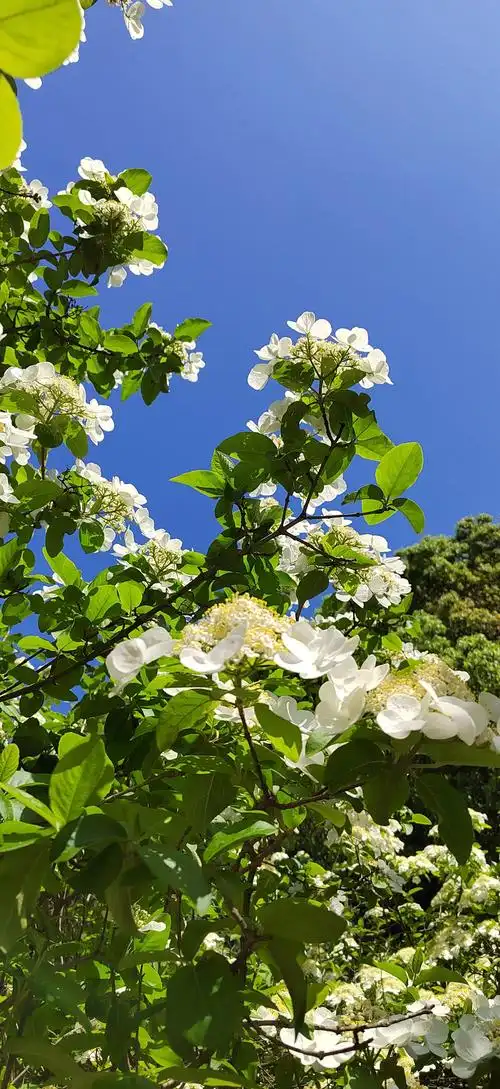 The Qionghua's cultural pedigree stretches back over a millennium, with cultivation records dating to China's golden age of poetry in the Tang Dynasty (618–907 CE)—a period contemporary with the rise of Charlemagne's court in Europe. By the Song Dynasty, the great statesman and essayist Ouyang Xiu commissioned the elegant "Wushuang Pavilion" (Unrivalled Pavilion) at Fanli Temple after declaring the flower "without peer on earth." Legend holds that Emperor Yang of Sui (r. 604–618) made three separate journeys from his northern capital purely to admire the blossoms, an imperial devotion that echoes the Dutch tulip mania centuries later and transformed Qionghua into Yangzhou's enduring civic emblem.
Slender West Lake, a slender 4.3-kilometer waterway first shaped during the Qing Dynasty, serves as the premier viewing ground—much as Versailles grounds frame French landscape artistry. The finest specimens cluster around the East Gate Qionghua Plaza and along the Water-Cloud Gallery, where ancient willows, the iconic Twenty-Four Bridge, and flower borders create a painterly composition of "blossoms mirroring lake light, scenery shifting with every step." Entry costs ¥100 (about $14), and visitors can rent traditional hand-poled boats to drift through the floral corridors for an experience akin to gliding through a living Chinese scroll painting.
The compact Fanli Temple on Wenchang Middle Road offers extraordinary cultural density in just fifteen minutes. Within its modest walls stand the historic Qionghua Terrace, the celebrated Unrivalled Pavilion, and stelae forests inscribed with centuries of poetic tributes. At ¥8 in peak season or ¥5 off-peak, it remains one of China's most affordable cultural treasures—comparable in intimacy to Rome's hidden courtyard churches rather than its monumental basilicas. Pair it with a stroll through the surrounding historic quarter for a complete Yangzhou old-town experience.
For travelers seeking quieter encounters, Daming Temple's Pingyuan House shelters a venerable Qionghua tree over 300 years old, set within grounds famous for the seventh-century monk Jianzhen's voyage to Japan. The free, hundred-meter Qionghua Corridor in Songjiacheng Sports Park offers a crowd-free alternative perfect for cycling or leisurely walking—reminiscent of the lesser-known garden rooms at Alnwick Castle. Additional specimens dot the Wenjin Garden, Qionghua Garden, and Zhongshan Park, rewarding those who wander Yangzhou's leafy streets with serendipitous discoveries.
Critical practical note: Qionghua blooms only from approximately April 10 to 25, a brief twenty-day window vulnerable to late spring frosts—plan spring trips carefully, as August offers nothing. Check the "Slender West Lake Flower Forecast" before traveling. Reach Slender West Lake via bus to "Shou Xihu Stop"; Fanli Temple is accessible by routes 18, 26, or 88 to "Qionghua Guan Stop." Visitors are urged to respect the rare specimens—never pick branches—and to allow time for Yangzhou's celebrated Huaiyang cuisine between flower-viewing sessions.
The Qionghua's cultural pedigree stretches back over a millennium, with cultivation records dating to China's golden age of poetry in the Tang Dynasty (618–907 CE)—a period contemporary with the rise of Charlemagne's court in Europe. By the Song Dynasty, the great statesman and essayist Ouyang Xiu commissioned the elegant "Wushuang Pavilion" (Unrivalled Pavilion) at Fanli Temple after declaring the flower "without peer on earth." Legend holds that Emperor Yang of Sui (r. 604–618) made three separate journeys from his northern capital purely to admire the blossoms, an imperial devotion that echoes the Dutch tulip mania centuries later and transformed Qionghua into Yangzhou's enduring civic emblem.
Slender West Lake, a slender 4.3-kilometer waterway first shaped during the Qing Dynasty, serves as the premier viewing ground—much as Versailles grounds frame French landscape artistry. The finest specimens cluster around the East Gate Qionghua Plaza and along the Water-Cloud Gallery, where ancient willows, the iconic Twenty-Four Bridge, and flower borders create a painterly composition of "blossoms mirroring lake light, scenery shifting with every step." Entry costs ¥100 (about $14), and visitors can rent traditional hand-poled boats to drift through the floral corridors for an experience akin to gliding through a living Chinese scroll painting.
The compact Fanli Temple on Wenchang Middle Road offers extraordinary cultural density in just fifteen minutes. Within its modest walls stand the historic Qionghua Terrace, the celebrated Unrivalled Pavilion, and stelae forests inscribed with centuries of poetic tributes. At ¥8 in peak season or ¥5 off-peak, it remains one of China's most affordable cultural treasures—comparable in intimacy to Rome's hidden courtyard churches rather than its monumental basilicas. Pair it with a stroll through the surrounding historic quarter for a complete Yangzhou old-town experience.
For travelers seeking quieter encounters, Daming Temple's Pingyuan House shelters a venerable Qionghua tree over 300 years old, set within grounds famous for the seventh-century monk Jianzhen's voyage to Japan. The free, hundred-meter Qionghua Corridor in Songjiacheng Sports Park offers a crowd-free alternative perfect for cycling or leisurely walking—reminiscent of the lesser-known garden rooms at Alnwick Castle. Additional specimens dot the Wenjin Garden, Qionghua Garden, and Zhongshan Park, rewarding those who wander Yangzhou's leafy streets with serendipitous discoveries.
Critical practical note: Qionghua blooms only from approximately April 10 to 25, a brief twenty-day window vulnerable to late spring frosts—plan spring trips carefully, as August offers nothing. Check the "Slender West Lake Flower Forecast" before traveling. Reach Slender West Lake via bus to "Shou Xihu Stop"; Fanli Temple is accessible by routes 18, 26, or 88 to "Qionghua Guan Stop." Visitors are urged to respect the rare specimens—never pick branches—and to allow time for Yangzhou's celebrated Huaiyang cuisine between flower-viewing sessions.