Dongpo Park
⭐ 4.20
Changzhou, Jiangsu, China
 Su Dongpo, known in the West as Su Shi, stands among China's greatest literary figures—a polymath poet, essayist, painter, and statesman whose career spanned the Northern Song Dynasty (960–1127). Comparable to Shakespeare's global renown in English letters, Su Dongpo endured repeated political exile under rival court factions. After eleven visits to Changzhou, he chose this canal-side city as his final refuge, famously declaring that his failure to serve his country was matched only by the fortune of returning to his heart's home. His memorial legacy draws literary pilgrims throughout China, but Dongpo Park uniquely captures the spirit of his twilight years.
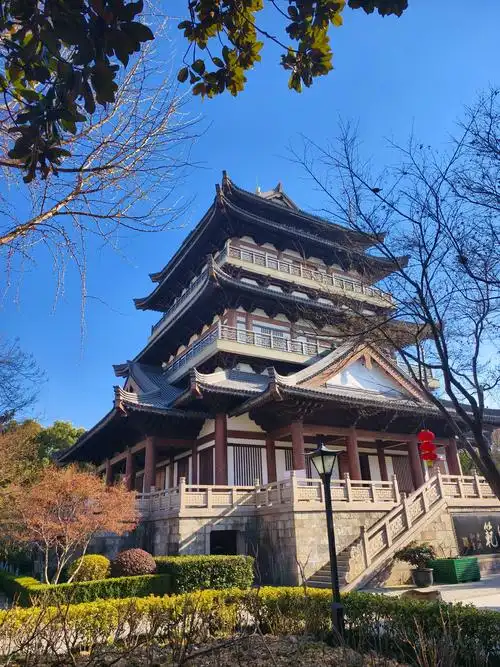
The park occupies roughly 4.3 hectares on a peninsula embraced on three sides by the Grand Canal, with Half-Moon Island visible across the water—a layout echoing Venice's watery embrace or Bruges' tranquil canals. The crown jewel is Yizhou Pavilion, marking the legendary spot where Su Dongpo moored his boat upon arrival. Inside hangs an imperial plaque referencing his former court title "Graceful Spirit of the Jade Bureau," bestowed by the Qianlong Emperor during his celebrated southern tours in the eighteenth century. Climbing Yangsu Pavilion rewards visitors with sweeping panoramic views over the canal and surrounding parkland.
The Ming Dynasty Guangji Bridge, a graceful three-arch stone span, was carefully relocated here for preservation—a conservation effort reminiscent of how London safeguarded its historic bridges or how Rome embedded ancient structures within modern cityscapes. Nearby stand the Inkstone Washing Pool and the Imperial Wharf, where officials once embarked along this 1,700-year-old waterway. At 1,794 kilometers, the Grand Canal ranks as the world's longest artificial river, linking Beijing to Hangzhou and serving as imperial China's vital commercial artery. Together these monuments form a remarkable cluster bridging literary memory with tangible heritage.
Each April, the park transforms into a riot of peonies, with over 4,000 plants representing more than sixty varieties in full bloom—a display comparable in scale to the spring tulip festivals of the Netherlands. The peony, China's traditional "king of flowers," has been celebrated in Chinese art since the Tang Dynasty and symbolizes prosperity and honor. In summer and autumn, the garden offers cool shade beneath ancient trees, with breezes drifting off the canal inviting slow contemplation and quiet reflection away from modern urban distractions.
Dongpo Park sits at No. 9 Yanling Middle Road in Tianning District and welcomes visitors free of charge daily from 6:00 AM to 6:00 PM. The most convenient access is via Metro Line 2 to Hongmei Park Station, followed by a five-minute walk of approximately 500 meters, while several bus routes also serve the area directly. Parking is limited, especially during holidays and weekends, so public transportation is strongly recommended. Visitors should wear non-slip footwear as riverside stone steps can be treacherous after rain, and should allow one to two hours for a leisurely exploration.
For travelers seeking an authentic encounter with classical Chinese culture away from the crowds of larger tourist centers, Dongpo Park offers an ideal combination of literary pilgrimage, architectural heritage, and natural beauty. Its intimate scale and free admission make it an easy addition to any Changzhou itinerary, particularly when paired with the adjacent Hongmei Park. Whether drawn by Su Dongpo's enduring legacy, the engineering marvel of the Grand Canal, or simply the timeless beauty of Jiangnan garden design, visitors will find a peaceful haven that rewards unhurried exploration and quiet appreciation.
Su Dongpo, known in the West as Su Shi, stands among China's greatest literary figures—a polymath poet, essayist, painter, and statesman whose career spanned the Northern Song Dynasty (960–1127). Comparable to Shakespeare's global renown in English letters, Su Dongpo endured repeated political exile under rival court factions. After eleven visits to Changzhou, he chose this canal-side city as his final refuge, famously declaring that his failure to serve his country was matched only by the fortune of returning to his heart's home. His memorial legacy draws literary pilgrims throughout China, but Dongpo Park uniquely captures the spirit of his twilight years.
The park occupies roughly 4.3 hectares on a peninsula embraced on three sides by the Grand Canal, with Half-Moon Island visible across the water—a layout echoing Venice's watery embrace or Bruges' tranquil canals. The crown jewel is Yizhou Pavilion, marking the legendary spot where Su Dongpo moored his boat upon arrival. Inside hangs an imperial plaque referencing his former court title "Graceful Spirit of the Jade Bureau," bestowed by the Qianlong Emperor during his celebrated southern tours in the eighteenth century. Climbing Yangsu Pavilion rewards visitors with sweeping panoramic views over the canal and surrounding parkland.
The Ming Dynasty Guangji Bridge, a graceful three-arch stone span, was carefully relocated here for preservation—a conservation effort reminiscent of how London safeguarded its historic bridges or how Rome embedded ancient structures within modern cityscapes. Nearby stand the Inkstone Washing Pool and the Imperial Wharf, where officials once embarked along this 1,700-year-old waterway. At 1,794 kilometers, the Grand Canal ranks as the world's longest artificial river, linking Beijing to Hangzhou and serving as imperial China's vital commercial artery. Together these monuments form a remarkable cluster bridging literary memory with tangible heritage.
Each April, the park transforms into a riot of peonies, with over 4,000 plants representing more than sixty varieties in full bloom—a display comparable in scale to the spring tulip festivals of the Netherlands. The peony, China's traditional "king of flowers," has been celebrated in Chinese art since the Tang Dynasty and symbolizes prosperity and honor. In summer and autumn, the garden offers cool shade beneath ancient trees, with breezes drifting off the canal inviting slow contemplation and quiet reflection away from modern urban distractions.
Dongpo Park sits at No. 9 Yanling Middle Road in Tianning District and welcomes visitors free of charge daily from 6:00 AM to 6:00 PM. The most convenient access is via Metro Line 2 to Hongmei Park Station, followed by a five-minute walk of approximately 500 meters, while several bus routes also serve the area directly. Parking is limited, especially during holidays and weekends, so public transportation is strongly recommended. Visitors should wear non-slip footwear as riverside stone steps can be treacherous after rain, and should allow one to two hours for a leisurely exploration.
For travelers seeking an authentic encounter with classical Chinese culture away from the crowds of larger tourist centers, Dongpo Park offers an ideal combination of literary pilgrimage, architectural heritage, and natural beauty. Its intimate scale and free admission make it an easy addition to any Changzhou itinerary, particularly when paired with the adjacent Hongmei Park. Whether drawn by Su Dongpo's enduring legacy, the engineering marvel of the Grand Canal, or simply the timeless beauty of Jiangnan garden design, visitors will find a peaceful haven that rewards unhurried exploration and quiet appreciation.