Hakka Folk Culture Museum
⭐ 3.60
No. 1, Dongpo Road, Qiaodong Street, Huicheng District, Huizhou City, Guangdong Province, China
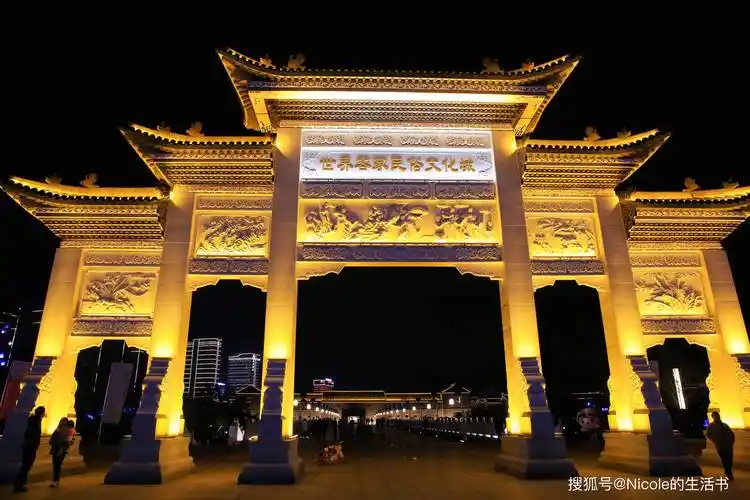 **Roots and Migrations — A Diaspora Older Than Most Nations**
The Hakka ("guest families") began migrating south from China's north-central plains as early as the fourth century, with five major waves of displacement continuing into the 17th century. Like the Jewish diaspora scattered across Europe or the flight of Huguenots after 1685, the Hakka carried their language, architecture, and customs into unfamiliar territories while preserving a fierce sense of identity. Boluo, perched along the middle reaches of the Dong River, served as one of their earliest footholds in the south—comparable, in cultural weight, to how Bavaria became a refuge for Romanized Germanic tribes. The museum's chronological narrative traces this remarkable 1,500-year journey through dramatic life-size scenes of exodus, settlement, and adaptation.
**Architecture and Atmosphere — A Hakka Ancestral Hall in Miniature**
The complex echoes the silhouette of a traditional Hakka walled village, organized around a central courtyard in the "four waters return to the hall" configuration—a layout philosophers might compare to a Mediterranean atrium house or a Roman impluvium, designed to channel both rainwater and prosperity inward. Compact but meticulously arranged, the galleries use theatrical lighting and immersive tableaux to evoke rural life, ritual gatherings, and the painstaking rhythms of pre-industrial craft. The opening Hundred-Mills Corridor, with 106 stone grinding wheels lined in solemn procession, reads almost like a processional path at Chartres, transforming a humble agricultural tool into a monument to perseverance.
**Cultural Treasures — Craft, Ritual, and Living Heritage**
More than 60 intangible heritage projects from Boluo County are showcased, spanning straw-hat braiding, ceremonial drum-making, traditional cuisine, and wedding customs. The Tofu Workshop is a particular delight: visitors peer through glass panels to watch mechanized production running in parallel with artisans following centuries-old methods—an echo of how Italy's olive-oil mills still blend modern presses with ancient stone techniques. The Hakka Memories Hall dives deeper into ancestral genealogy and clan ritual, themes that resonate with anyone who has traced their own roots through European parish registers or Scottish clan histories. It is this living dimension, not dusty display cases, that defines the experience.
**Practical Information — Planning Your Visit**
Admission is roughly 10 RMB per person, redeemable for a small bowl of house-made tofu pudding (douhua). Doors open daily from 09:00 to 17:00, with last entry at 16:30, and most visitors find two to three hours sufficient. Several interior galleries lack air-conditioning, so schedule your trip for morning or late afternoon during the humid summer months, and wear light, breathable clothing with sturdy non-slip shoes. Commentary is in Mandarin only, so downloading an offline translation app beforehand is wise. The museum sits about an hour's drive from central Huizhou, and public transit is unreliable—renting a car or booking a ride-hailing service is strongly recommended; set your navigation to "Hakka Po Scenic Area."
**Why Visit and How to Extend Your Trip**
This is less an amusement-park attraction and more a thoughtful cultural pause, ideal for families with school-aged children, photographers drawn to atmospheric interiors, and travelers seeking depth beyond Guangdong's better-known Pearl River megacities. Combine the visit with a hike up sacred Mount Luofu, one of Taoism's birthplaces and reputedly the hermitage of the Ge Hong, whose alchemical writings influenced European scholars centuries later through Jesuit translations. For a fuller perspective on regional heritage, devote the following day to the Dong River Folk Relics Museum in Huizhou's urban center, pairing living folk tradition with curated artifacts—a juxtaposition as rewarding as visiting both a Scottish Highland gathering and Edinburgh's National Museum.
**Roots and Migrations — A Diaspora Older Than Most Nations**
The Hakka ("guest families") began migrating south from China's north-central plains as early as the fourth century, with five major waves of displacement continuing into the 17th century. Like the Jewish diaspora scattered across Europe or the flight of Huguenots after 1685, the Hakka carried their language, architecture, and customs into unfamiliar territories while preserving a fierce sense of identity. Boluo, perched along the middle reaches of the Dong River, served as one of their earliest footholds in the south—comparable, in cultural weight, to how Bavaria became a refuge for Romanized Germanic tribes. The museum's chronological narrative traces this remarkable 1,500-year journey through dramatic life-size scenes of exodus, settlement, and adaptation.
**Architecture and Atmosphere — A Hakka Ancestral Hall in Miniature**
The complex echoes the silhouette of a traditional Hakka walled village, organized around a central courtyard in the "four waters return to the hall" configuration—a layout philosophers might compare to a Mediterranean atrium house or a Roman impluvium, designed to channel both rainwater and prosperity inward. Compact but meticulously arranged, the galleries use theatrical lighting and immersive tableaux to evoke rural life, ritual gatherings, and the painstaking rhythms of pre-industrial craft. The opening Hundred-Mills Corridor, with 106 stone grinding wheels lined in solemn procession, reads almost like a processional path at Chartres, transforming a humble agricultural tool into a monument to perseverance.
**Cultural Treasures — Craft, Ritual, and Living Heritage**
More than 60 intangible heritage projects from Boluo County are showcased, spanning straw-hat braiding, ceremonial drum-making, traditional cuisine, and wedding customs. The Tofu Workshop is a particular delight: visitors peer through glass panels to watch mechanized production running in parallel with artisans following centuries-old methods—an echo of how Italy's olive-oil mills still blend modern presses with ancient stone techniques. The Hakka Memories Hall dives deeper into ancestral genealogy and clan ritual, themes that resonate with anyone who has traced their own roots through European parish registers or Scottish clan histories. It is this living dimension, not dusty display cases, that defines the experience.
**Practical Information — Planning Your Visit**
Admission is roughly 10 RMB per person, redeemable for a small bowl of house-made tofu pudding (douhua). Doors open daily from 09:00 to 17:00, with last entry at 16:30, and most visitors find two to three hours sufficient. Several interior galleries lack air-conditioning, so schedule your trip for morning or late afternoon during the humid summer months, and wear light, breathable clothing with sturdy non-slip shoes. Commentary is in Mandarin only, so downloading an offline translation app beforehand is wise. The museum sits about an hour's drive from central Huizhou, and public transit is unreliable—renting a car or booking a ride-hailing service is strongly recommended; set your navigation to "Hakka Po Scenic Area."
**Why Visit and How to Extend Your Trip**
This is less an amusement-park attraction and more a thoughtful cultural pause, ideal for families with school-aged children, photographers drawn to atmospheric interiors, and travelers seeking depth beyond Guangdong's better-known Pearl River megacities. Combine the visit with a hike up sacred Mount Luofu, one of Taoism's birthplaces and reputedly the hermitage of the Ge Hong, whose alchemical writings influenced European scholars centuries later through Jesuit translations. For a fuller perspective on regional heritage, devote the following day to the Dong River Folk Relics Museum in Huizhou's urban center, pairing living folk tradition with curated artifacts—a juxtaposition as rewarding as visiting both a Scottish Highland gathering and Edinburgh's National Museum.