Langfang Botanical Garden
⭐ 3.60
Langfang Botanical Garden, Guangyang District, Langfang City, Hebei Province, China
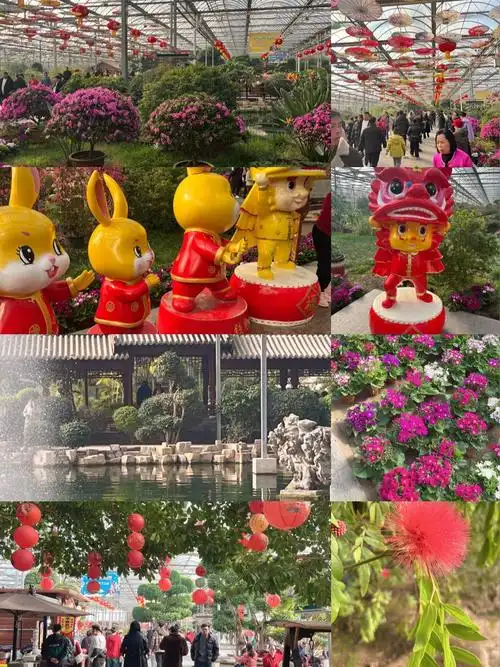 While Western botanical gardens trace their origins to Renaissance physic gardens like Padua's (1545) and later Enlightenment institutions such as London's Kew Gardens (1759), China's botanical garden tradition draws from imperial gardens, classical scholar estates, and modern horticultural science. Langfang Botanical Garden represents the contemporary Chinese model, blending scientific research with public recreation—a mission echoing institutions like Brooklyn Botanic Garden or the Jardin des Plantes in Paris. Though younger and more modest than these century-old counterparts, it serves as a vital green corridor in the rapidly urbanizing Beijing-Tianjin-Hebei region, functioning as a living laboratory for plant conservation and an accessible classroom for ecological education across North China.
The garden employs a naturalistic landscape design typical of Chinese botanical gardens, where meandering main paths thread through distinct themed zones rather than imposing rigid geometric axes. Each specialty garden—the Cherry Blossom Garden, Peony Garden, Bamboo Grove, and Pine-Cypress-Ginkgo Garden—maintains its own microclimate and seasonal character. The Cherry Blossom and Peony sections erupt in spectacular spring color, while the Bamboo and conifer areas provide year-round greenery reminiscent of Japanese stroll gardens. A central lake with wooden boardwalk circuits adds the contemplative water element found in classical Suzhou gardens, creating a serene counterpoint to the densely planted display areas.
Beyond its botanical collections, the garden reflects China's growing commitment to accessible public green space. Notably, it features a tactile garden designed for visually impaired visitors and a wading pool area—both unusual amenities demonstrating the park's progressive approach to inclusive design. The systematic labeling system along walkways, with educational signage identifying plants in Chinese and Latin nomenclature, positions the garden as a genuine horticultural learning environment rather than mere ornament. For North China residents, the seasonal markers—spring blossoms, autumn ginkgos—provide meaningful connection to nature's rhythms that urban dwellers increasingly lack in megacity life.
Admission is completely free with no advance reservation required, making this one of the most accessible nature experiences in the greater Beijing area. The park is best reached by car or taxi—rideshare apps work well—with generally adequate parking available at the North Gate, the recommended entry point. A typical visit follows a counterclockwise route from the North Gate through the themed specialty gardens, ending at the children's playground and lakeside boardwalk, a circuit requiring approximately two to three hours. This makes the garden ideal for a half-day excursion, easily combined with other Langfang or Yanjiao attractions or a leisurely Beijing day trip.
Spring (March through May) and autumn (September through November) showcase the garden's finest seasonal displays, with cherry blossoms and peonies peaking in April, and golden ginkgos and chrysanthemums lighting up October. Weekday mornings or late afternoons offer the most peaceful experience and best photography light, avoiding weekend family crowds. Visitors should prepare for somewhat rustic facilities: limited shade on certain paths, aging walkways, no convenience stores on-site, and minimal commercial amenities. Pack water, snacks, sun protection, insect repellent, and sturdy non-slip shoes—particularly important for navigating the wetland boardwalks near the lake, which can become slick.
While Western botanical gardens trace their origins to Renaissance physic gardens like Padua's (1545) and later Enlightenment institutions such as London's Kew Gardens (1759), China's botanical garden tradition draws from imperial gardens, classical scholar estates, and modern horticultural science. Langfang Botanical Garden represents the contemporary Chinese model, blending scientific research with public recreation—a mission echoing institutions like Brooklyn Botanic Garden or the Jardin des Plantes in Paris. Though younger and more modest than these century-old counterparts, it serves as a vital green corridor in the rapidly urbanizing Beijing-Tianjin-Hebei region, functioning as a living laboratory for plant conservation and an accessible classroom for ecological education across North China.
The garden employs a naturalistic landscape design typical of Chinese botanical gardens, where meandering main paths thread through distinct themed zones rather than imposing rigid geometric axes. Each specialty garden—the Cherry Blossom Garden, Peony Garden, Bamboo Grove, and Pine-Cypress-Ginkgo Garden—maintains its own microclimate and seasonal character. The Cherry Blossom and Peony sections erupt in spectacular spring color, while the Bamboo and conifer areas provide year-round greenery reminiscent of Japanese stroll gardens. A central lake with wooden boardwalk circuits adds the contemplative water element found in classical Suzhou gardens, creating a serene counterpoint to the densely planted display areas.
Beyond its botanical collections, the garden reflects China's growing commitment to accessible public green space. Notably, it features a tactile garden designed for visually impaired visitors and a wading pool area—both unusual amenities demonstrating the park's progressive approach to inclusive design. The systematic labeling system along walkways, with educational signage identifying plants in Chinese and Latin nomenclature, positions the garden as a genuine horticultural learning environment rather than mere ornament. For North China residents, the seasonal markers—spring blossoms, autumn ginkgos—provide meaningful connection to nature's rhythms that urban dwellers increasingly lack in megacity life.
Admission is completely free with no advance reservation required, making this one of the most accessible nature experiences in the greater Beijing area. The park is best reached by car or taxi—rideshare apps work well—with generally adequate parking available at the North Gate, the recommended entry point. A typical visit follows a counterclockwise route from the North Gate through the themed specialty gardens, ending at the children's playground and lakeside boardwalk, a circuit requiring approximately two to three hours. This makes the garden ideal for a half-day excursion, easily combined with other Langfang or Yanjiao attractions or a leisurely Beijing day trip.
Spring (March through May) and autumn (September through November) showcase the garden's finest seasonal displays, with cherry blossoms and peonies peaking in April, and golden ginkgos and chrysanthemums lighting up October. Weekday mornings or late afternoons offer the most peaceful experience and best photography light, avoiding weekend family crowds. Visitors should prepare for somewhat rustic facilities: limited shade on certain paths, aging walkways, no convenience stores on-site, and minimal commercial amenities. Pack water, snacks, sun protection, insect repellent, and sturdy non-slip shoes—particularly important for navigating the wetland boardwalks near the lake, which can become slick.