Tianmu Lake
⭐ 4.60
Changzhou, Jiangsu, China
 **A Highland Sanctuary Steeped in History**
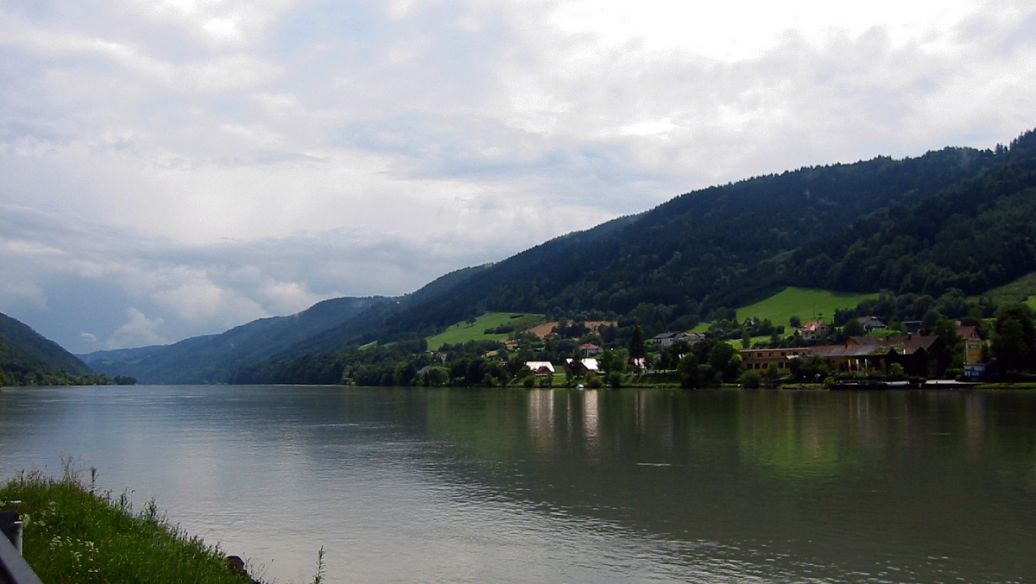
Tianmu Lake sits in a region long cherished by scholars and poets, with tea cultivation traditions stretching back to the Tang and Song dynasties—comparable in cultural weight to the tea heritage of Japan's Uji or the lake-district retreats of England's Lake Poets. The Wu-Yue Peak carries echoes of the ancient Wu and Yue kingdoms, whose fabled rivalry once shaped the entire Yangtze Delta. Reaching its summit via cable car offers a sweeping panorama reminiscent of views from Switzerland's Jungfrau region, but with bamboo rolling toward the horizon instead of Alpine snow.
**Shanshui Garden: Lakes, Islands, and Legends**
The resort's heart is its shimmering shanshui—literally "mountain-water"—landscape, a Chinese aesthetic ideal expressed through art since at least the Northern Song dynasty. Cruise boats ferry visitors to Dragon Prosperity Island, where a butterfly valley and an "Elfin Kingdom" delight families, while Tea Island offers hands-on tea-picking workshops echoing centuries-old crafts. Summer temperatures run a refreshing 3–5°C cooler than nearby cities, making it an inviting counterpart to the Mediterranean's coastal retreats.
**Nanshan Bamboo Sea: A Verdant Expanse**
Spanning over 10,000 mu (roughly 1,650 acres), this bamboo sea rivals the iconic Arashiyama groves of Kyoto in scale and serenity. Ground-level cable cars glide past a recreated Ming-era village and a panda sanctuary, while an aerial lift whisks travelers to the Wu-Yue summit. Bamboo rafting and a cultural museum invite deeper exploration of the region's deep bamboo-craft heritage, a tradition as old as China's own scholarly culture.
**Yushui Hot Springs: A Forest-Soaking Ritual**
Concealed among bamboo and forested slopes, these rare East China thermal springs carry a mineral profile akin to Hungary's famous baths in Budapest or Japan's onsen. Soaking in open-air pools amid misty dawns or starlit evenings is the quintessential experience, while indoor pools offer respite in summer. The architecture echoes classical Chinese garden design, where bath pavilions are sited to harmonize with nature rather than dominate it.
**A Culinary Pilgrimage: The Claypot Fish Head**
Tianmu Lake's signature dish—a wild silver carp head slow-simmered in lake water for hours—has earned the title of "China's Famous Dish." The resulting broth is milky white, sweet, and free of any muddy taste, a refinement akin to France's reverence for regional terroir. Local specialties including lake seafood, white tea, and dark-glutinous rice deserve equal attention at the dinner table.
**Practical Tips for the Visitor**
Plan a leisurely two-day, one-night itinerary to absorb the full experience. High-speed trains arrive at Liyang Station, where direct shuttle buses or ride-hailing services connect to each scenic area. Spring and autumn offer the most pleasant weather; in summer, mornings and evenings beat the midday heat. Entrance fees run approximately 180 yuan for Shanshui Garden (including boat), 90 yuan for Nanshan Bamboo Sea, and 200–260 yuan for Yushui Hot Springs. Boutique lakeside hotels abound, and an evening lakeside bicycle ride to watch the sunset is, for many travelers, the memory that lingers longest.
**A Highland Sanctuary Steeped in History**
Tianmu Lake sits in a region long cherished by scholars and poets, with tea cultivation traditions stretching back to the Tang and Song dynasties—comparable in cultural weight to the tea heritage of Japan's Uji or the lake-district retreats of England's Lake Poets. The Wu-Yue Peak carries echoes of the ancient Wu and Yue kingdoms, whose fabled rivalry once shaped the entire Yangtze Delta. Reaching its summit via cable car offers a sweeping panorama reminiscent of views from Switzerland's Jungfrau region, but with bamboo rolling toward the horizon instead of Alpine snow.
**Shanshui Garden: Lakes, Islands, and Legends**
The resort's heart is its shimmering shanshui—literally "mountain-water"—landscape, a Chinese aesthetic ideal expressed through art since at least the Northern Song dynasty. Cruise boats ferry visitors to Dragon Prosperity Island, where a butterfly valley and an "Elfin Kingdom" delight families, while Tea Island offers hands-on tea-picking workshops echoing centuries-old crafts. Summer temperatures run a refreshing 3–5°C cooler than nearby cities, making it an inviting counterpart to the Mediterranean's coastal retreats.
**Nanshan Bamboo Sea: A Verdant Expanse**
Spanning over 10,000 mu (roughly 1,650 acres), this bamboo sea rivals the iconic Arashiyama groves of Kyoto in scale and serenity. Ground-level cable cars glide past a recreated Ming-era village and a panda sanctuary, while an aerial lift whisks travelers to the Wu-Yue summit. Bamboo rafting and a cultural museum invite deeper exploration of the region's deep bamboo-craft heritage, a tradition as old as China's own scholarly culture.
**Yushui Hot Springs: A Forest-Soaking Ritual**
Concealed among bamboo and forested slopes, these rare East China thermal springs carry a mineral profile akin to Hungary's famous baths in Budapest or Japan's onsen. Soaking in open-air pools amid misty dawns or starlit evenings is the quintessential experience, while indoor pools offer respite in summer. The architecture echoes classical Chinese garden design, where bath pavilions are sited to harmonize with nature rather than dominate it.
**A Culinary Pilgrimage: The Claypot Fish Head**
Tianmu Lake's signature dish—a wild silver carp head slow-simmered in lake water for hours—has earned the title of "China's Famous Dish." The resulting broth is milky white, sweet, and free of any muddy taste, a refinement akin to France's reverence for regional terroir. Local specialties including lake seafood, white tea, and dark-glutinous rice deserve equal attention at the dinner table.
**Practical Tips for the Visitor**
Plan a leisurely two-day, one-night itinerary to absorb the full experience. High-speed trains arrive at Liyang Station, where direct shuttle buses or ride-hailing services connect to each scenic area. Spring and autumn offer the most pleasant weather; in summer, mornings and evenings beat the midday heat. Entrance fees run approximately 180 yuan for Shanshui Garden (including boat), 90 yuan for Nanshan Bamboo Sea, and 200–260 yuan for Yushui Hot Springs. Boutique lakeside hotels abound, and an evening lakeside bicycle ride to watch the sunset is, for many travelers, the memory that lingers longest.