Anqing Nanhu Park
⭐ 3.80
Nanhu Park, Yixiu District, Anqing City, Anhui Province, China
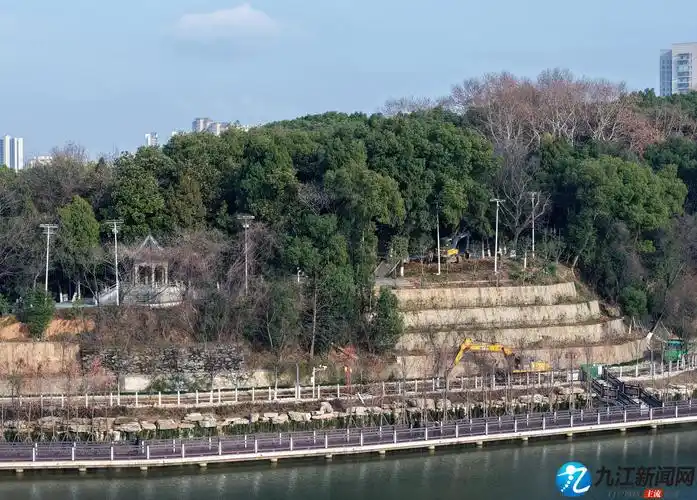 Anqing, perched on the north bank of the Yangtze roughly 400 kilometers west of Shanghai, has been a strategic riverside settlement since the Han dynasty—comparable in scale and antiquity to cities like Regensburg on the Danube. Linghu Lake Scenic Area sits at the symbolic heart of the modern city, straddling the boundary between the Yingjiang and Daguan districts and serving as the largest integrated urban lakeside park in Anqing's core. The name "Linghu" (literally "Water-Chestnut Lake") recalls the days when the entire lake surface was densely planted with water caltrops, a tradition stretching back centuries. Today the park binds together three connected bodies of water—Linghu, Lianhu, and the waters of Wanjiang Park—forming a rare, expansive inland-water network for a Chinese provincial capital.
The park's main architectural draws are its cultural institutions rather than historic monuments, a layout reminiscent of London's South Bank cultural quarter or Berlin's Museum Island. The new Anqing Museum traces the city's sweeping history from Neolithic settlements through imperial dynasties, the Taiping Rebellion upheavals of the 1850s, and into the modern era, with particular emphasis on the evolution of Huangmei Opera. Just steps away rises the Huangmei Opera Arts Center, a sleek modern venue hosting regular performances and cultural programs. Together, these two buildings give the park a layered identity—part ecological retreat, part open-air cultural forum—where families promenade between pavilions while exhibitions unfold indoors, much as Parisians cross the Seine between the Louvre and the Musée d'Orsay.
Culturally, Linghu is inseparable from Huangmei Opera (黄梅戏), the lyrical, folk-rooted opera tradition that flourished in the Anqing countryside during the Qing dynasty and matured into one of China's "Five Great Opera Forms" alongside Peking Opera and Kunqu. Recognized by UNESCO as part of the nation's intangible cultural heritage, Huangmei is beloved for its melodic simplicity and earthy romanticism, often compared to Italian folk opera for its emotional directness. At Linghu, this living tradition is not locked behind glass: amateur singers, especially elderly enthusiasts, gather lakeside to practice their favorite arias, and on summer evenings the park stages outdoor performances and light shows. Visitors lucky enough to arrive during a festival weekend may witness impromptu concerts where performers and audience blur together in a uniquely Anqing ritual.
Practicalities for travelers are refreshingly simple. The park is open 24 hours a day and entirely free—no tickets, no reservations, no queues. Most visitors enter through the South Gate of Linghu Scenic Area or the North Gate of Anqing Museum, both easily reached by local bus or taxi from anywhere in central Anqing; the high-speed rail station lies about 15 kilometers east. Inside, wooden boardwalks skirt the water, benches dot the lakeshore, and bicycles can be rented near main entrances. No cafés or restaurants operate within the grounds, so plan to eat in the surrounding commercial streets—try local specialties like Anqing rice noodles or pressed duck at nearby family-run spots. Bring insect repellent in summer (June through August), when lotus blooms peak and mosquitoes are aggressive, and aim to be back at your hotel before dark, as lakeside lighting is modest and the path network can feel confusing after sunset.
The ideal visit unfolds over three to four hours, beginning in the soft golden hour just after sunrise when mist lifts off the water and locals begin their tai chi routines along the eastern boardwalk—the prime photography corridor, where the full lake panorama opens up. Return in the late afternoon for the west-side paths, quieter and shaded by willows, ideal for contemplative walking. If your schedule permits, time your arrival for July or August, when Lianhu Lake's lotus flowers erupt into pink-and-white carpets that draw painters and photographers from across Anhui Province. Alternatively, aim for a Saturday afternoon: the amphitheater area near the Huangmei Opera Arts Center fills with local aficionados singing, drumming, and trading verses—a scene that no museum diorama could capture and one that gives Linghu its irreplaceable character as the living room of Anqing's opera-loving soul.
[DETAILED - additional paragraph option about why visit]
What makes Linghu worth the detour, in an age when itineraries increasingly chase China's headline cities, is precisely its ordinariness—an unscripted urban park where the rhythm of a mid-sized Yangtze city reveals itself through song, slow walks, and shared lakeside benches. Unlike the imperial grandeur of West Lake in Hangzhou or the manicured drama of the Summer Palace in Beijing, Linghu offers something more intimate: a working people's park wrapped around cultural institutions that take their opera heritage seriously, yet remain welcoming to the curious foreigner. Spend a morning here and you leave with more than photographs—you leave with a feel for how contemporary Anqing residents inhabit their past, and why a city of fewer than half a million people remains central to one of China's great performing arts.
Anqing, perched on the north bank of the Yangtze roughly 400 kilometers west of Shanghai, has been a strategic riverside settlement since the Han dynasty—comparable in scale and antiquity to cities like Regensburg on the Danube. Linghu Lake Scenic Area sits at the symbolic heart of the modern city, straddling the boundary between the Yingjiang and Daguan districts and serving as the largest integrated urban lakeside park in Anqing's core. The name "Linghu" (literally "Water-Chestnut Lake") recalls the days when the entire lake surface was densely planted with water caltrops, a tradition stretching back centuries. Today the park binds together three connected bodies of water—Linghu, Lianhu, and the waters of Wanjiang Park—forming a rare, expansive inland-water network for a Chinese provincial capital.
The park's main architectural draws are its cultural institutions rather than historic monuments, a layout reminiscent of London's South Bank cultural quarter or Berlin's Museum Island. The new Anqing Museum traces the city's sweeping history from Neolithic settlements through imperial dynasties, the Taiping Rebellion upheavals of the 1850s, and into the modern era, with particular emphasis on the evolution of Huangmei Opera. Just steps away rises the Huangmei Opera Arts Center, a sleek modern venue hosting regular performances and cultural programs. Together, these two buildings give the park a layered identity—part ecological retreat, part open-air cultural forum—where families promenade between pavilions while exhibitions unfold indoors, much as Parisians cross the Seine between the Louvre and the Musée d'Orsay.
Culturally, Linghu is inseparable from Huangmei Opera (黄梅戏), the lyrical, folk-rooted opera tradition that flourished in the Anqing countryside during the Qing dynasty and matured into one of China's "Five Great Opera Forms" alongside Peking Opera and Kunqu. Recognized by UNESCO as part of the nation's intangible cultural heritage, Huangmei is beloved for its melodic simplicity and earthy romanticism, often compared to Italian folk opera for its emotional directness. At Linghu, this living tradition is not locked behind glass: amateur singers, especially elderly enthusiasts, gather lakeside to practice their favorite arias, and on summer evenings the park stages outdoor performances and light shows. Visitors lucky enough to arrive during a festival weekend may witness impromptu concerts where performers and audience blur together in a uniquely Anqing ritual.
Practicalities for travelers are refreshingly simple. The park is open 24 hours a day and entirely free—no tickets, no reservations, no queues. Most visitors enter through the South Gate of Linghu Scenic Area or the North Gate of Anqing Museum, both easily reached by local bus or taxi from anywhere in central Anqing; the high-speed rail station lies about 15 kilometers east. Inside, wooden boardwalks skirt the water, benches dot the lakeshore, and bicycles can be rented near main entrances. No cafés or restaurants operate within the grounds, so plan to eat in the surrounding commercial streets—try local specialties like Anqing rice noodles or pressed duck at nearby family-run spots. Bring insect repellent in summer (June through August), when lotus blooms peak and mosquitoes are aggressive, and aim to be back at your hotel before dark, as lakeside lighting is modest and the path network can feel confusing after sunset.
The ideal visit unfolds over three to four hours, beginning in the soft golden hour just after sunrise when mist lifts off the water and locals begin their tai chi routines along the eastern boardwalk—the prime photography corridor, where the full lake panorama opens up. Return in the late afternoon for the west-side paths, quieter and shaded by willows, ideal for contemplative walking. If your schedule permits, time your arrival for July or August, when Lianhu Lake's lotus flowers erupt into pink-and-white carpets that draw painters and photographers from across Anhui Province. Alternatively, aim for a Saturday afternoon: the amphitheater area near the Huangmei Opera Arts Center fills with local aficionados singing, drumming, and trading verses—a scene that no museum diorama could capture and one that gives Linghu its irreplaceable character as the living room of Anqing's opera-loving soul.
[DETAILED - additional paragraph option about why visit]
What makes Linghu worth the detour, in an age when itineraries increasingly chase China's headline cities, is precisely its ordinariness—an unscripted urban park where the rhythm of a mid-sized Yangtze city reveals itself through song, slow walks, and shared lakeside benches. Unlike the imperial grandeur of West Lake in Hangzhou or the manicured drama of the Summer Palace in Beijing, Linghu offers something more intimate: a working people's park wrapped around cultural institutions that take their opera heritage seriously, yet remain welcoming to the curious foreigner. Spend a morning here and you leave with more than photographs—you leave with a feel for how contemporary Anqing residents inhabit their past, and why a city of fewer than half a million people remains central to one of China's great performing arts.