Changfeng Pavilion
⭐ 2.00
Changfeng Pavilion, Yixiu District, Anqing City, Anhui Province, China
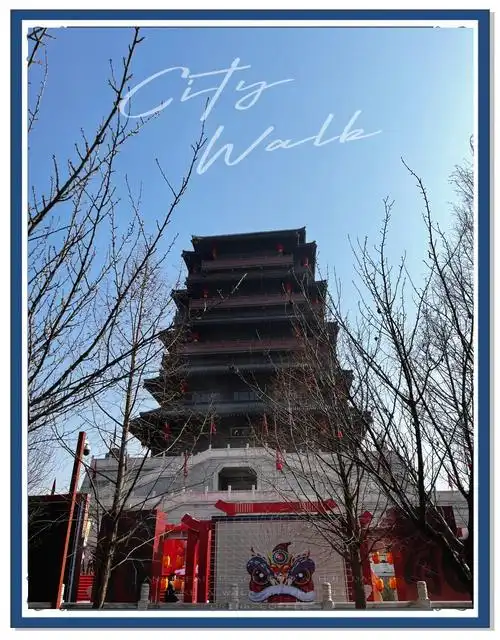 Stretching along the Yangtze some 14 kilometers east of Anqing's old town, Long Wind Beach — historically called "Magpie Tail Shoal" for the magpie-tailed shape of its central sandbar — has long ranked among the river's most treacherous passages. It bore witness to the Wu-Chu territorial struggles of the Three Kingdoms era (220–280 AD), a turbulent chapter roughly contemporary with the late Roman Empire's transformation in the West. Centuries later, Tang dynasty poet Li Bai immortalized the river's spirit in verses familiar to every Chinese schoolchild, capturing the same windswept grandeur that visitors still encounter here today.
The beach itself remains remarkably undeveloped, its gently undulating sands flanked by swaying reeds and wild grasses. The Yangtze here runs broad and unhurried, comparable in scale and atmosphere to the Rhine or the Danube in their more pastoral stretches. Late afternoon is when the site truly comes alive: slanting sunlight paints the water gold while the distant Anqing skyline fades into silhouette. Photographers will find compositions reminiscent of classical Chinese scroll paintings come to life — or perhaps Turner's luminous river studies transplanted to Asia.
Few sites along the Yangtze carry such a layered sense of time. Standing on these sands, visitors literally walk in the footsteps of soldiers, scholars, and poets spanning nearly two millennia. The site's true appeal lies in its "open-air history classroom" quality — raw and unmediated, lacking the interpretive panels of any museum. For travelers drawn to reflective, somewhat melancholic landscapes — think the ruins of Troy along the Dardanelles, or the windswept moors of Brontë country — Long Wind Beach offers a similarly contemplative experience rooted in literary and martial memory.
The site lies in Changfeng Township, Yingjiang District, near Duckling Gully, about 14 kilometers from Anqing's old town. It is completely free to visit and operates without ticketing, guides, or designated parking. Travelers should arrive by car or hired vehicle, using navigation to search "Changfeng Sha" or asking locals for directions. Facilities are minimal: no shade, no restrooms, no refreshments. Bring water, sun protection, insect repellent, and a hat. Visitors with limited mobility, elderly companions, or young children should note the lack of infrastructure before planning a stop.
Plan to arrive between 4:00 and 6:00 PM to catch the celebrated sunset — the same golden hour that has inspired centuries of Chinese poetry. Photography enthusiasts should allow extra time as light shifts across the water. For travelers seeking a more developed cultural experience nearby, Anqing's historic Yingjiang Temple houses the elegant Zhenfeng Pagoda, a Ming-dynasty tower offering panoramic river views and a more conventional sightseeing experience. Consider pairing the two: the pagoda for architecture and history, Long Wind Beach for solitude and atmospheric immersion.
Stretching along the Yangtze some 14 kilometers east of Anqing's old town, Long Wind Beach — historically called "Magpie Tail Shoal" for the magpie-tailed shape of its central sandbar — has long ranked among the river's most treacherous passages. It bore witness to the Wu-Chu territorial struggles of the Three Kingdoms era (220–280 AD), a turbulent chapter roughly contemporary with the late Roman Empire's transformation in the West. Centuries later, Tang dynasty poet Li Bai immortalized the river's spirit in verses familiar to every Chinese schoolchild, capturing the same windswept grandeur that visitors still encounter here today.
The beach itself remains remarkably undeveloped, its gently undulating sands flanked by swaying reeds and wild grasses. The Yangtze here runs broad and unhurried, comparable in scale and atmosphere to the Rhine or the Danube in their more pastoral stretches. Late afternoon is when the site truly comes alive: slanting sunlight paints the water gold while the distant Anqing skyline fades into silhouette. Photographers will find compositions reminiscent of classical Chinese scroll paintings come to life — or perhaps Turner's luminous river studies transplanted to Asia.
Few sites along the Yangtze carry such a layered sense of time. Standing on these sands, visitors literally walk in the footsteps of soldiers, scholars, and poets spanning nearly two millennia. The site's true appeal lies in its "open-air history classroom" quality — raw and unmediated, lacking the interpretive panels of any museum. For travelers drawn to reflective, somewhat melancholic landscapes — think the ruins of Troy along the Dardanelles, or the windswept moors of Brontë country — Long Wind Beach offers a similarly contemplative experience rooted in literary and martial memory.
The site lies in Changfeng Township, Yingjiang District, near Duckling Gully, about 14 kilometers from Anqing's old town. It is completely free to visit and operates without ticketing, guides, or designated parking. Travelers should arrive by car or hired vehicle, using navigation to search "Changfeng Sha" or asking locals for directions. Facilities are minimal: no shade, no restrooms, no refreshments. Bring water, sun protection, insect repellent, and a hat. Visitors with limited mobility, elderly companions, or young children should note the lack of infrastructure before planning a stop.
Plan to arrive between 4:00 and 6:00 PM to catch the celebrated sunset — the same golden hour that has inspired centuries of Chinese poetry. Photography enthusiasts should allow extra time as light shifts across the water. For travelers seeking a more developed cultural experience nearby, Anqing's historic Yingjiang Temple houses the elegant Zhenfeng Pagoda, a Ming-dynasty tower offering panoramic river views and a more conventional sightseeing experience. Consider pairing the two: the pagoda for architecture and history, Long Wind Beach for solitude and atmospheric immersion.