Jiangling Scenic Area
⭐ 4.60
Jiangling Scenic Area, Wuyuan County, Shangrao City, Jiangxi Province, China
 **Historical Roots and World Context**
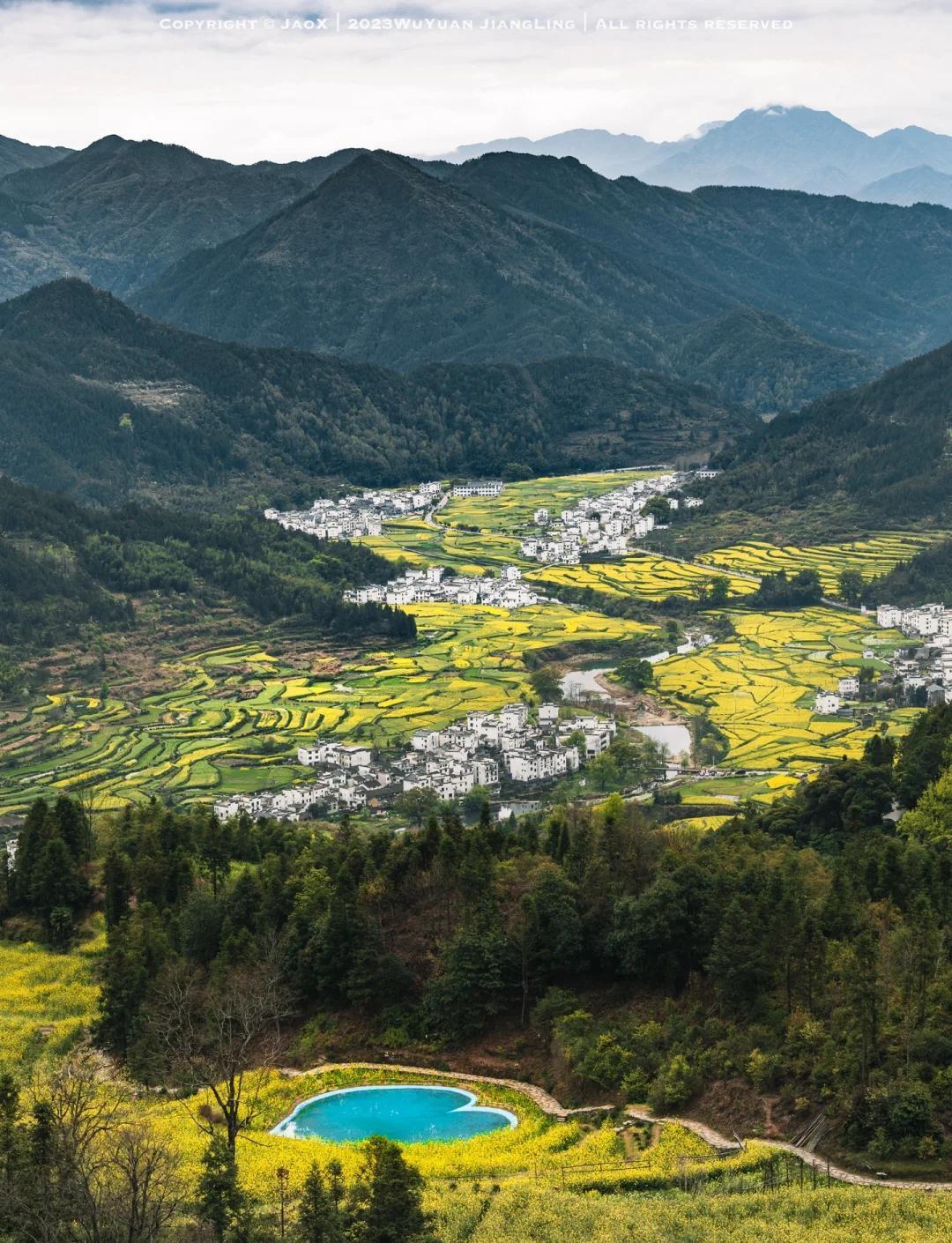
The terraced fields of Jiangling date back to the Southern Song Dynasty (1127–1279), a period that paralleled Europe's High Gothic era and the flourishing of medieval cathedrals like Chartres. For over eight centuries, generations of Hakka and Hui farmers have painstakingly carved these mountainsides, employing techniques that mirror the Inca stonework of Peru's Sacred Valley and the rice paddies of Bali's Subak system. This labor represents one of humanity's most enduring traditions of shaping landscape for sustainable agriculture—a living monument comparable to the terraced vineyards of Portugal's Douro Valley.
**Architecture and Village Character**
Scattered across the slopes are several Hui-style villages, where homes feature the iconic "horse-head walls" (马头墙)—stepped gables originally designed as firebreaks between buildings, a distinctive answer to medieval urban challenges not unlike the stone firewalls of Alpine settlements. The region's Ming and Qing dynasty residences showcase exquisite brick, wood, and stone carvings, while their ink-white walls and slate-grey tiles echo the aesthetic restraint of Greek island villages such as those on Santorini, though rooted firmly in Jiangnan tradition.
**Cultural Significance and Seasonal Rhythms**
Jiangling embodies the philosophy of harmonious coexistence between humans and nature—a concept resonant with the Zen gardens of Kyoto and the pastoral ideals of William Wordsworth's Lake District. The landscape transforms dramatically through the year: spring's golden flower ocean gives way to summer's ink-wash verdancy, autumn's fiery maple canopies, and winter's "shai qiu" tradition, where villagers sun-dry peppers, corn, and pumpkins across rooftops and bamboo trays. This seasonal cycle reflects the agricultural wisdom of the ancient Huizhou merchant culture, which shaped commerce along the historic tea-horse routes linking Jiangxi to the outside world.
**Practical Visitor Information**
Jiangling lies in northeastern Wuyuan County, roughly 45 kilometers from the county seat, between the villages of Xiaoqi and Xitou. The drive winds through mountain switchbacks, so motion-sickness sufferers should prepare accordingly. Entrance fees typically run 60–80 yuan, with prices rising during peak season; most travelers opt for the 12-attraction combo ticket (around 210 yuan, valid five days) that covers Wuyuan's signature sites. The scenic area opens daily from 7:00 AM to 6:00 PM. Self-driving or hiring a private driver is strongly recommended, as public transport to the remote viewpoints is limited.
**Best Times to Visit and Photography Tips**
The absolute peak for flower viewing falls between March 20 and April 10, when the rapeseed blossoms reach full glory. Photographers should arrive at the first viewpoint by 6:00 AM, when dawn mist shrouds the villages in ethereal atmosphere—similar to the magical cloud cover that draws photographers to Myanmar's Bagan or Tuscany's Val d'Orcia. Begin your hike at Platform 1 and descend through Platforms 2 to 4 along well-maintained footpaths, allowing time to appreciate both panoramas and intimate flower-close-ups. Consider combining your visit with nearby attractions like the alpine lake at Gaoshan Pinghu and the ancient village of Qingyuan for a richer itinerary.
**Current Seasonal Note**
As of late summer, Jiangling presents its quieter face: the terraces now wear deep emerald green, occasionally veiled by spectacular cloud seas. While lacking the iconic golden flower spectacle, this period offers cooler temperatures ideal for hiking and a more contemplative, less-crowded experience. Travelers seeking the famous floral display should postpone until next spring, or alternatively visit Huangling village nearby, renowned for its autumn harvest-sunning traditions.
**Historical Roots and World Context**
The terraced fields of Jiangling date back to the Southern Song Dynasty (1127–1279), a period that paralleled Europe's High Gothic era and the flourishing of medieval cathedrals like Chartres. For over eight centuries, generations of Hakka and Hui farmers have painstakingly carved these mountainsides, employing techniques that mirror the Inca stonework of Peru's Sacred Valley and the rice paddies of Bali's Subak system. This labor represents one of humanity's most enduring traditions of shaping landscape for sustainable agriculture—a living monument comparable to the terraced vineyards of Portugal's Douro Valley.
**Architecture and Village Character**
Scattered across the slopes are several Hui-style villages, where homes feature the iconic "horse-head walls" (马头墙)—stepped gables originally designed as firebreaks between buildings, a distinctive answer to medieval urban challenges not unlike the stone firewalls of Alpine settlements. The region's Ming and Qing dynasty residences showcase exquisite brick, wood, and stone carvings, while their ink-white walls and slate-grey tiles echo the aesthetic restraint of Greek island villages such as those on Santorini, though rooted firmly in Jiangnan tradition.
**Cultural Significance and Seasonal Rhythms**
Jiangling embodies the philosophy of harmonious coexistence between humans and nature—a concept resonant with the Zen gardens of Kyoto and the pastoral ideals of William Wordsworth's Lake District. The landscape transforms dramatically through the year: spring's golden flower ocean gives way to summer's ink-wash verdancy, autumn's fiery maple canopies, and winter's "shai qiu" tradition, where villagers sun-dry peppers, corn, and pumpkins across rooftops and bamboo trays. This seasonal cycle reflects the agricultural wisdom of the ancient Huizhou merchant culture, which shaped commerce along the historic tea-horse routes linking Jiangxi to the outside world.
**Practical Visitor Information**
Jiangling lies in northeastern Wuyuan County, roughly 45 kilometers from the county seat, between the villages of Xiaoqi and Xitou. The drive winds through mountain switchbacks, so motion-sickness sufferers should prepare accordingly. Entrance fees typically run 60–80 yuan, with prices rising during peak season; most travelers opt for the 12-attraction combo ticket (around 210 yuan, valid five days) that covers Wuyuan's signature sites. The scenic area opens daily from 7:00 AM to 6:00 PM. Self-driving or hiring a private driver is strongly recommended, as public transport to the remote viewpoints is limited.
**Best Times to Visit and Photography Tips**
The absolute peak for flower viewing falls between March 20 and April 10, when the rapeseed blossoms reach full glory. Photographers should arrive at the first viewpoint by 6:00 AM, when dawn mist shrouds the villages in ethereal atmosphere—similar to the magical cloud cover that draws photographers to Myanmar's Bagan or Tuscany's Val d'Orcia. Begin your hike at Platform 1 and descend through Platforms 2 to 4 along well-maintained footpaths, allowing time to appreciate both panoramas and intimate flower-close-ups. Consider combining your visit with nearby attractions like the alpine lake at Gaoshan Pinghu and the ancient village of Qingyuan for a richer itinerary.
**Current Seasonal Note**
As of late summer, Jiangling presents its quieter face: the terraces now wear deep emerald green, occasionally veiled by spectacular cloud seas. While lacking the iconic golden flower spectacle, this period offers cooler temperatures ideal for hiking and a more contemplative, less-crowded experience. Travelers seeking the famous floral display should postpone until next spring, or alternatively visit Huangling village nearby, renowned for its autumn harvest-sunning traditions.