Ningbo Botanical Garden
⭐ 4.60
Yongjiang Sub-district, Jiangbei District, Ningbo City, Zhejiang Province, China
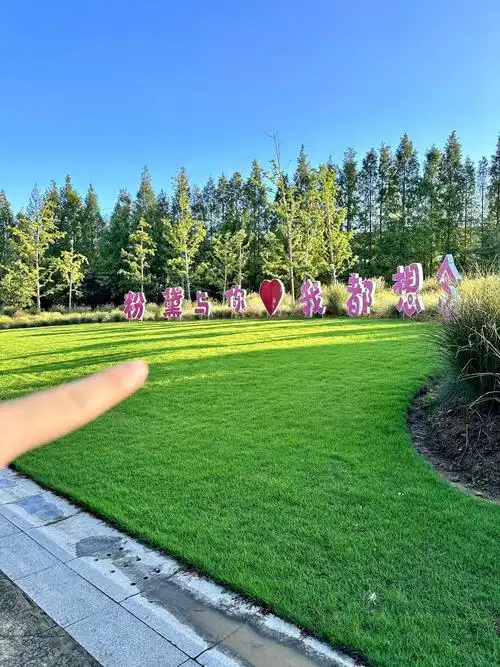 Ningbo has been a major maritime trading hub since the Tang Dynasty, when it served as one of China's key ports on the ancient Maritime Silk Road. The city welcomed Arab, Persian, and European merchants for over a millennium, with plants among the treasures exchanged. Today's Ningbo Botanical Garden echoes this legacy of global exchange through its "Gathering Plants of the World" concept. Opened as a flagship of Ningbo's ecological civilization initiative, the 322-hectare site unites conservation, research, and recreation on a scale comparable to London's Kew Gardens or Berlin's Botanischer Garten, representing the modern continuation of Ningbo's role as a meeting point between East and West.
The garden's architectural heart is its 10,000-square-meter exhibition greenhouse—the only structure of its scale in Zhejiang Province. Divided into six themed pavilions covering tropical rainforest, desert plants, bromeliads, begonias, carnivorous plants, and a four-season flower garden, it recalls the grand Victorian glasshouses of 19th-century Europe while embracing contemporary immersive design. Visitors wander elevated walkways beneath a soaring glass curtain wall, surrounded by cascading vines and exotic flora. The combination of monumental engineering and botanical theater makes this building as much a draw for architecture lovers as for plant enthusiasts, and it consistently ranks among the most photographed structures in the region.
Beyond the greenhouse, the garden unfolds into 17 specialty gardens, each exploring a distinct plant family or theme—from cherry and crabapple groves to magnolia, rose, orchid, vine, and maple collections. This modular approach reflects the classical Chinese garden tradition of "borrowed scenery," a design philosophy dating back to the Ming Dynasty and shared with the great landscapes of Suzhou. In autumn, the maple garden glows with the same fiery palette celebrated in Japanese koyo culture, while spring magnolias connect visitors to centuries of East Asian floral painting traditions, together forming a living encyclopedia of botanical heritage.
Ningbo Botanical Garden rewards repeat visits, as each season brings its own signature display. Spring blankets the grounds with romantic cherry blossoms, tulips, and mixed wildflower meadows—reminiscent of the tulip mania of the Netherlands. Summer transforms the dawn redwood water forest into a lush green retreat, with lotus and water lilies drifting across ponds. Autumn erupts in fields of sunflowers, billowing pink muhly grass, and fragrant osmanthus blooms, while winter showcases camellias and plum blossoms that defy the cold—plants long revered in Chinese literature for their quiet resilience.
Located at 1188 North Ring East Road in Zhenhai District, the garden is easy to reach by car (free parking available) or by buses 379, 399, 346, 383, and 387. Standard opening hours run from 8:00 AM to 9:30 PM, though the greenhouse and some specialty gardens close earlier at 5:00 PM, and time-slot reservations for the greenhouse are recommended. Allow three to five hours for a complete visit, with one to 1.5 hours dedicated to the greenhouse. Families can rent a sightseeing car for about five yuan per loop, and the gentle terrain makes the grounds stroller- and wheelchair-friendly.
The garden hosts signature seasonal events such as the Cherry Blossom Festival and the "Harvest of Love" autumn celebration, alongside rotating exhibitions announced on the official WeChat account "Ningbo Botanical Garden." For Western travelers seeking an alternative to the well-trodden gardens of Shanghai or Hangzhou, this Ningbo destination offers a fresher, less crowded experience with equally ambitious horticulture. Whether you are a photographer chasing peak bloom, a parent introducing children to the natural world, or simply a traveler seeking a peaceful half-day escape, the garden promises memorable encounters with the plant kingdom at any time of year.
Ningbo has been a major maritime trading hub since the Tang Dynasty, when it served as one of China's key ports on the ancient Maritime Silk Road. The city welcomed Arab, Persian, and European merchants for over a millennium, with plants among the treasures exchanged. Today's Ningbo Botanical Garden echoes this legacy of global exchange through its "Gathering Plants of the World" concept. Opened as a flagship of Ningbo's ecological civilization initiative, the 322-hectare site unites conservation, research, and recreation on a scale comparable to London's Kew Gardens or Berlin's Botanischer Garten, representing the modern continuation of Ningbo's role as a meeting point between East and West.
The garden's architectural heart is its 10,000-square-meter exhibition greenhouse—the only structure of its scale in Zhejiang Province. Divided into six themed pavilions covering tropical rainforest, desert plants, bromeliads, begonias, carnivorous plants, and a four-season flower garden, it recalls the grand Victorian glasshouses of 19th-century Europe while embracing contemporary immersive design. Visitors wander elevated walkways beneath a soaring glass curtain wall, surrounded by cascading vines and exotic flora. The combination of monumental engineering and botanical theater makes this building as much a draw for architecture lovers as for plant enthusiasts, and it consistently ranks among the most photographed structures in the region.
Beyond the greenhouse, the garden unfolds into 17 specialty gardens, each exploring a distinct plant family or theme—from cherry and crabapple groves to magnolia, rose, orchid, vine, and maple collections. This modular approach reflects the classical Chinese garden tradition of "borrowed scenery," a design philosophy dating back to the Ming Dynasty and shared with the great landscapes of Suzhou. In autumn, the maple garden glows with the same fiery palette celebrated in Japanese koyo culture, while spring magnolias connect visitors to centuries of East Asian floral painting traditions, together forming a living encyclopedia of botanical heritage.
Ningbo Botanical Garden rewards repeat visits, as each season brings its own signature display. Spring blankets the grounds with romantic cherry blossoms, tulips, and mixed wildflower meadows—reminiscent of the tulip mania of the Netherlands. Summer transforms the dawn redwood water forest into a lush green retreat, with lotus and water lilies drifting across ponds. Autumn erupts in fields of sunflowers, billowing pink muhly grass, and fragrant osmanthus blooms, while winter showcases camellias and plum blossoms that defy the cold—plants long revered in Chinese literature for their quiet resilience.
Located at 1188 North Ring East Road in Zhenhai District, the garden is easy to reach by car (free parking available) or by buses 379, 399, 346, 383, and 387. Standard opening hours run from 8:00 AM to 9:30 PM, though the greenhouse and some specialty gardens close earlier at 5:00 PM, and time-slot reservations for the greenhouse are recommended. Allow three to five hours for a complete visit, with one to 1.5 hours dedicated to the greenhouse. Families can rent a sightseeing car for about five yuan per loop, and the gentle terrain makes the grounds stroller- and wheelchair-friendly.
The garden hosts signature seasonal events such as the Cherry Blossom Festival and the "Harvest of Love" autumn celebration, alongside rotating exhibitions announced on the official WeChat account "Ningbo Botanical Garden." For Western travelers seeking an alternative to the well-trodden gardens of Shanghai or Hangzhou, this Ningbo destination offers a fresher, less crowded experience with equally ambitious horticulture. Whether you are a photographer chasing peak bloom, a parent introducing children to the natural world, or simply a traveler seeking a peaceful half-day escape, the garden promises memorable encounters with the plant kingdom at any time of year.